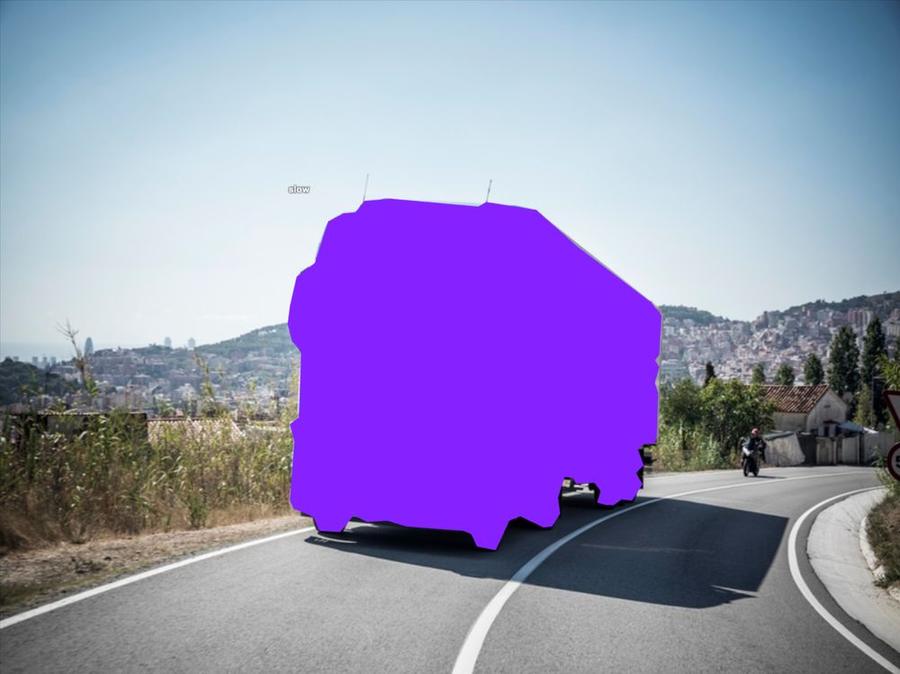
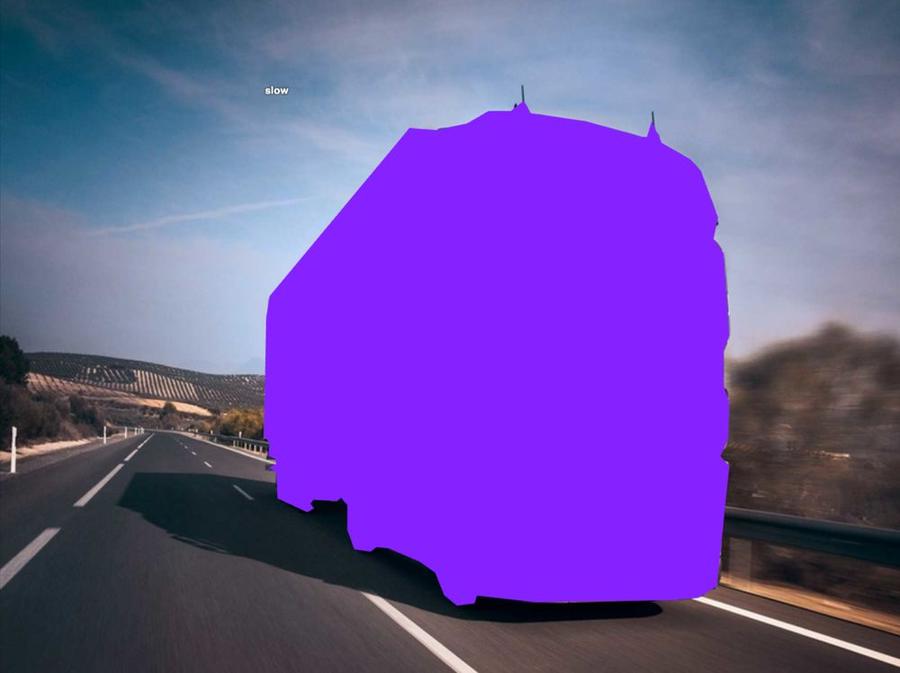
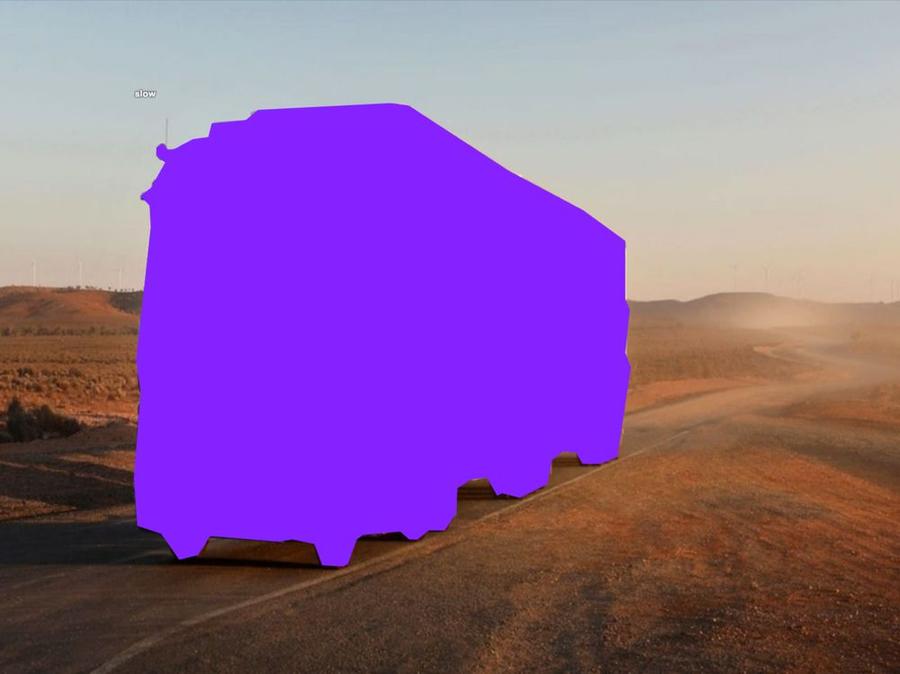
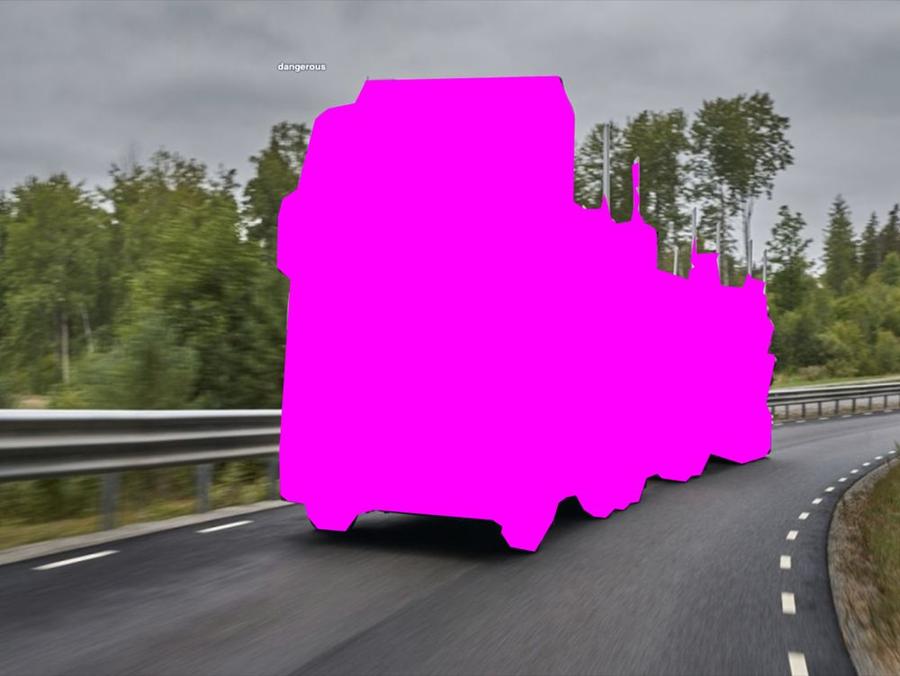
01{a techno-determinism counter-programme}
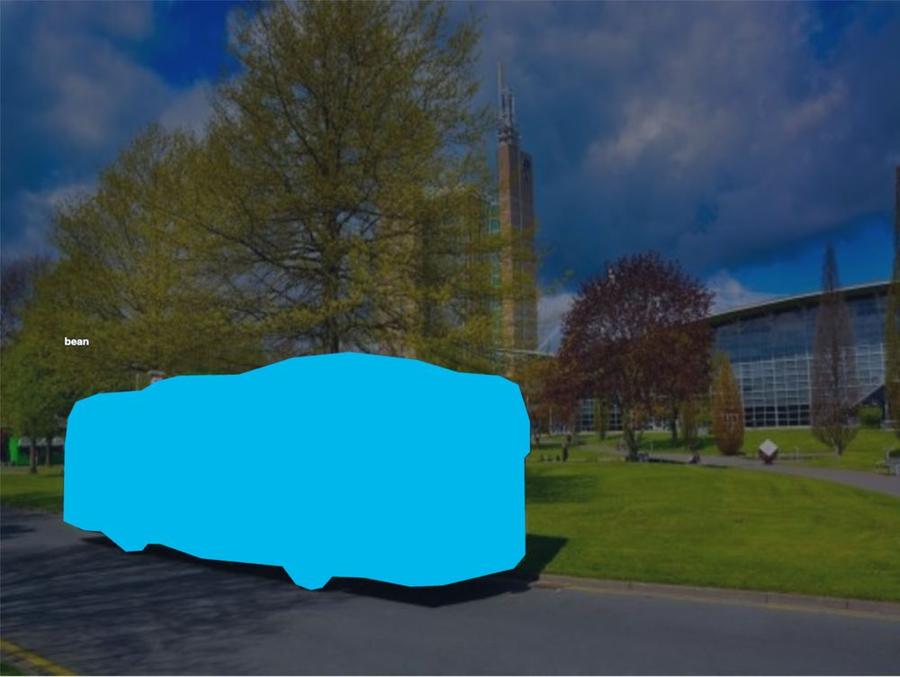
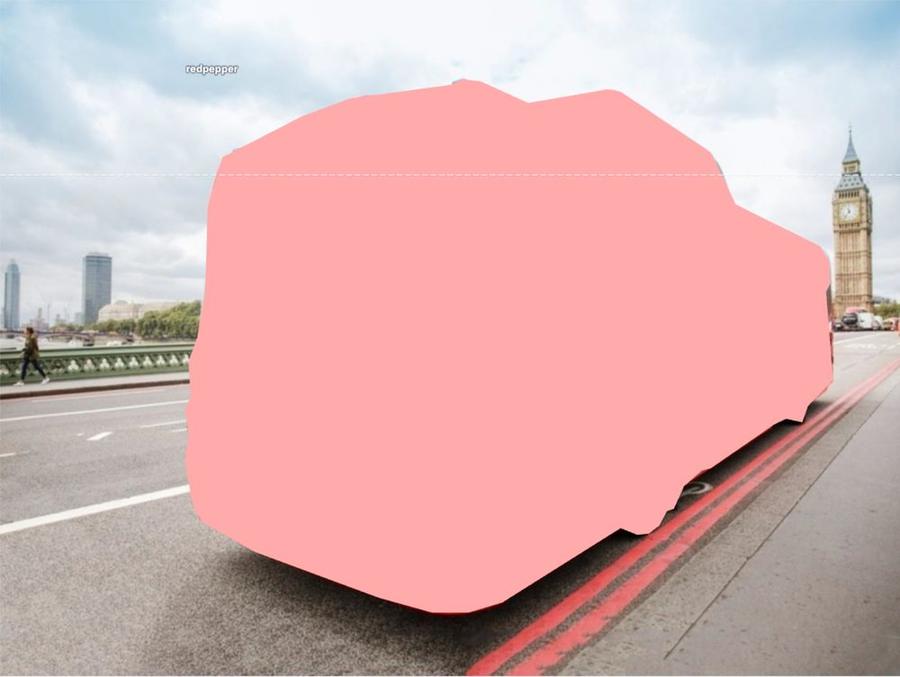
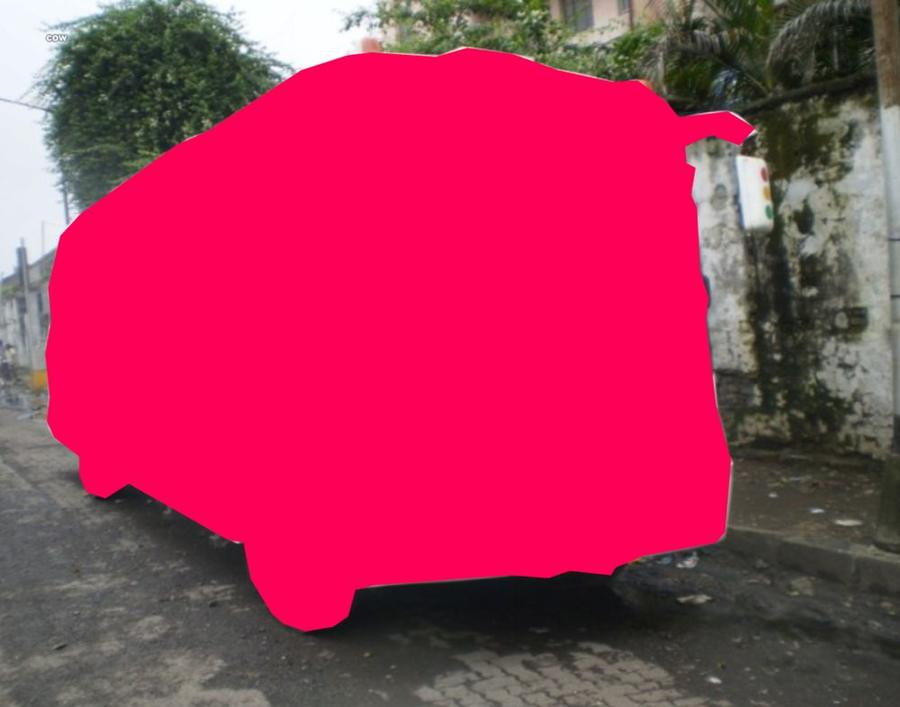
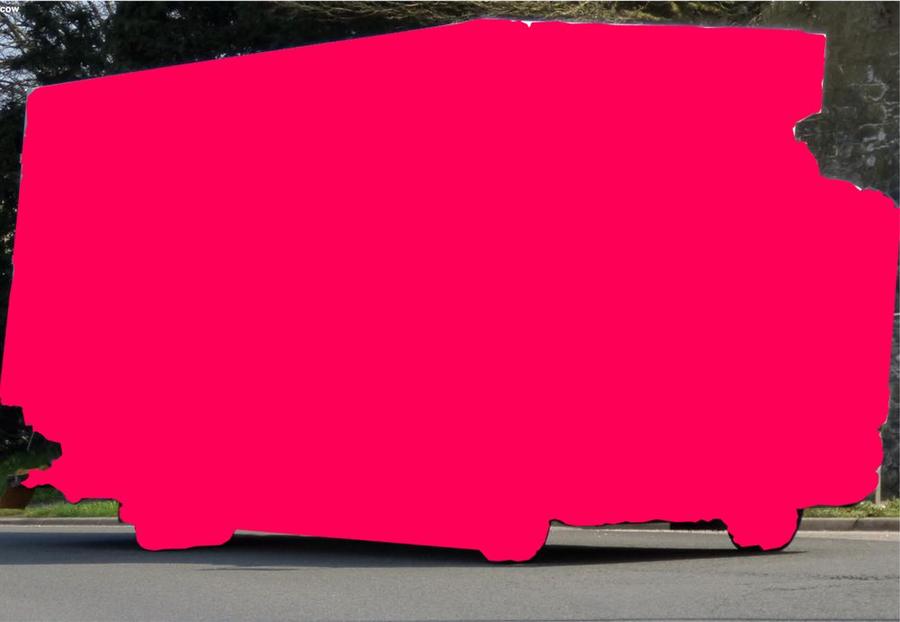
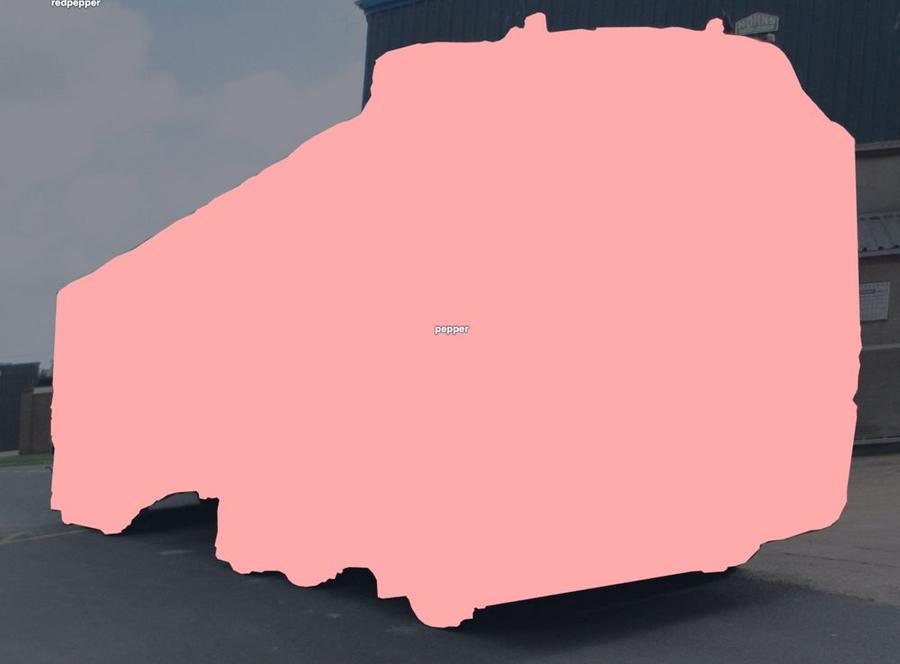
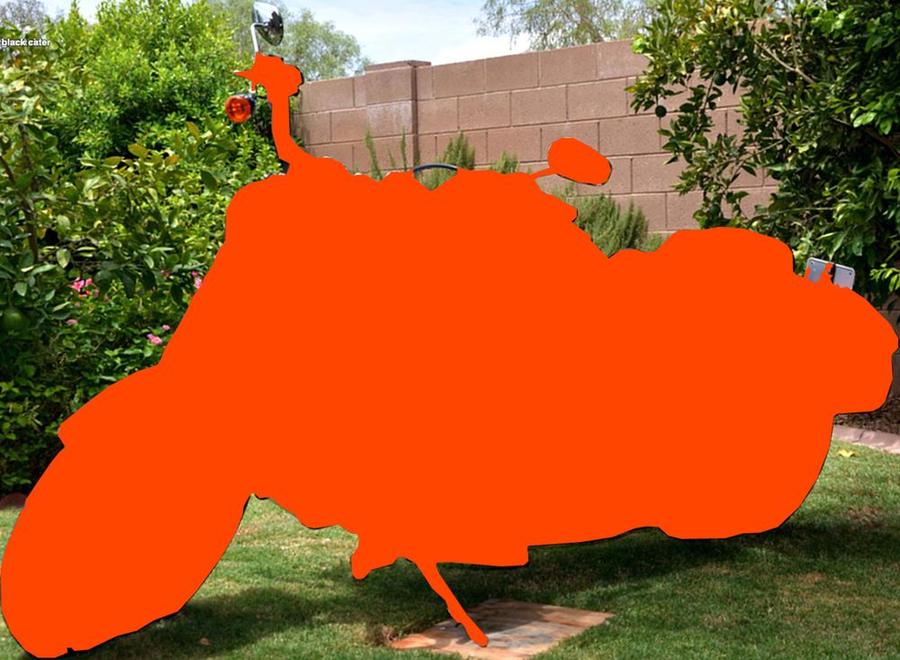
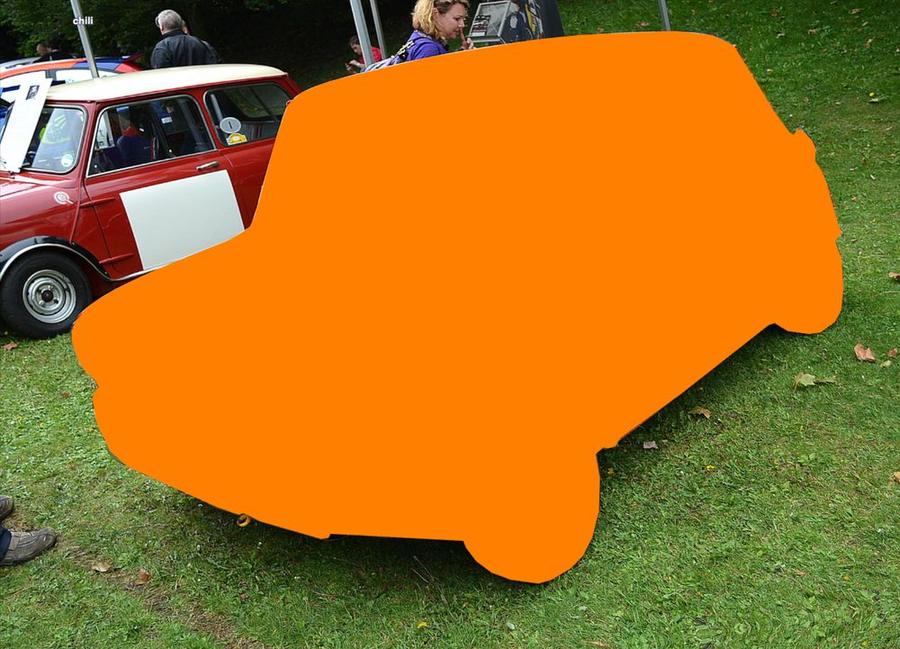
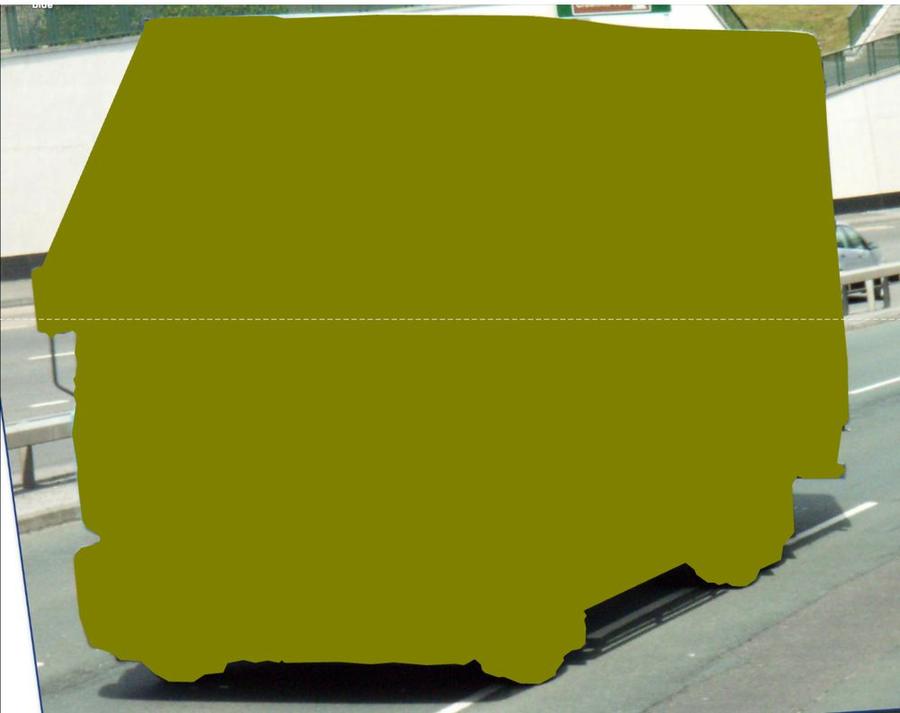
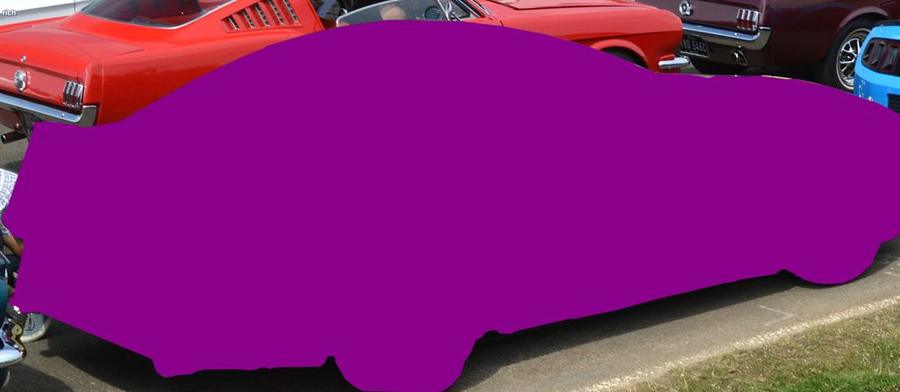
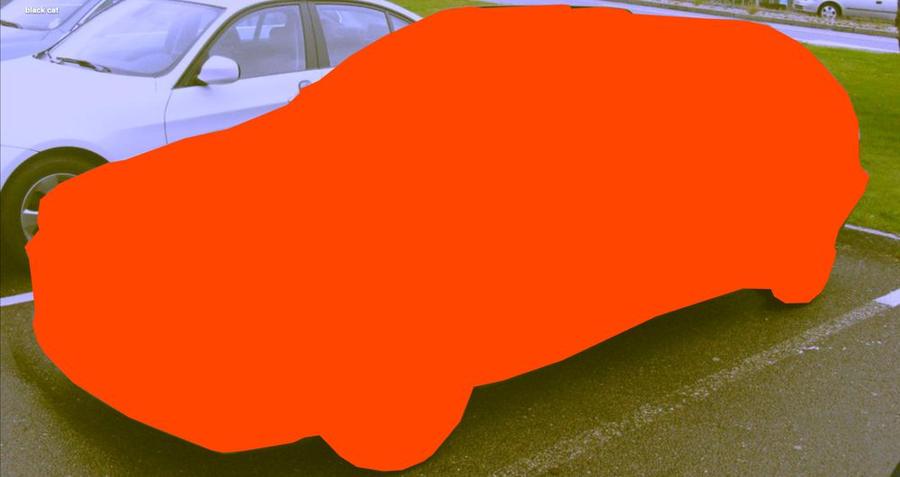
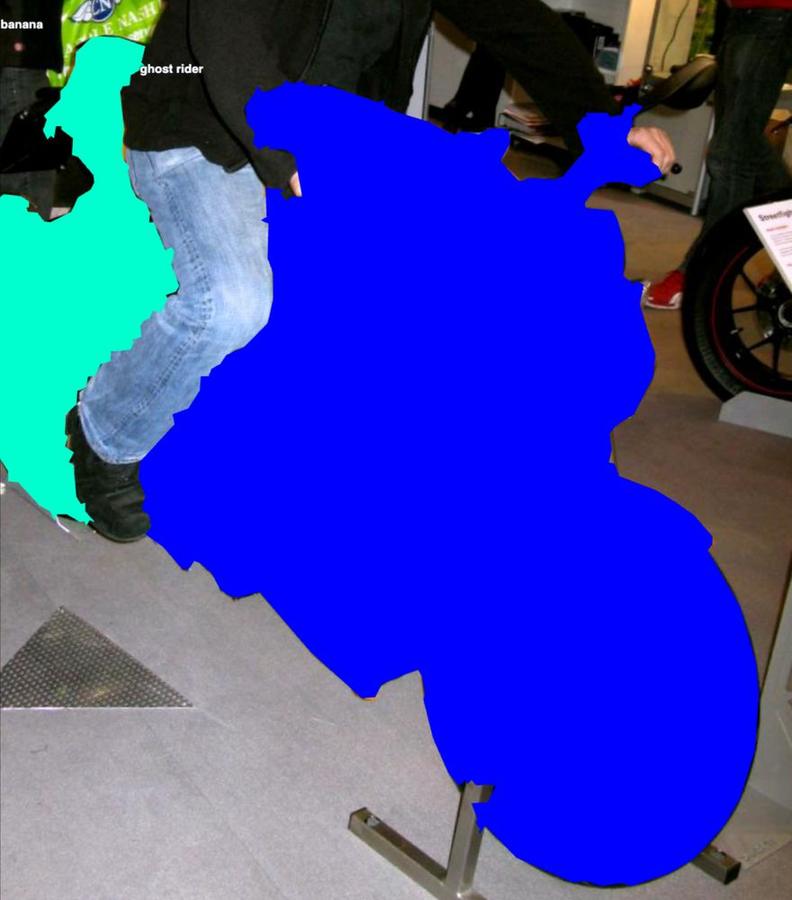
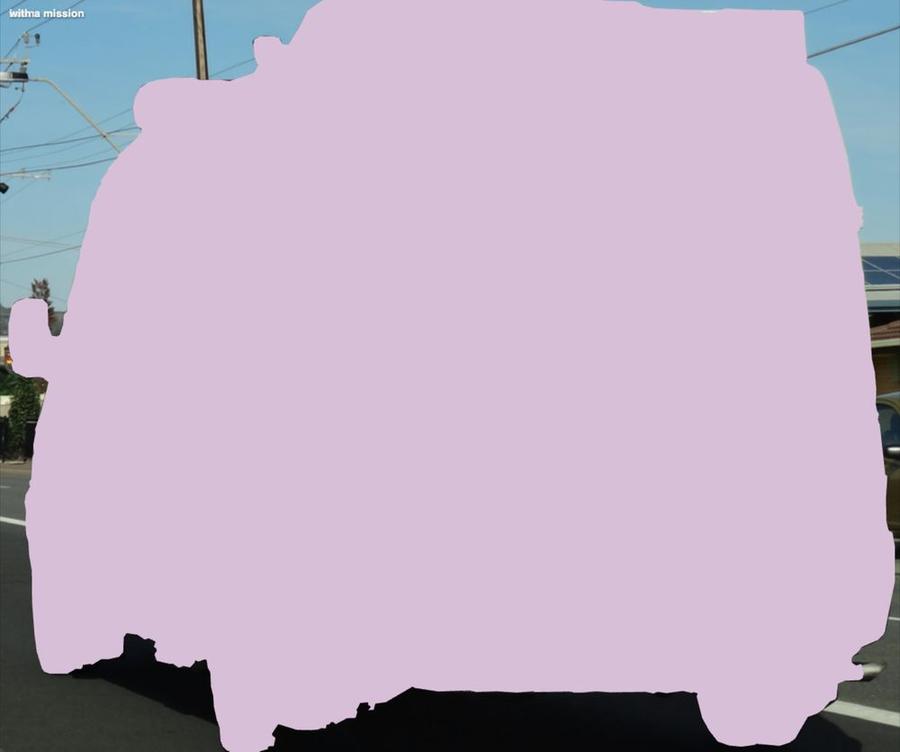
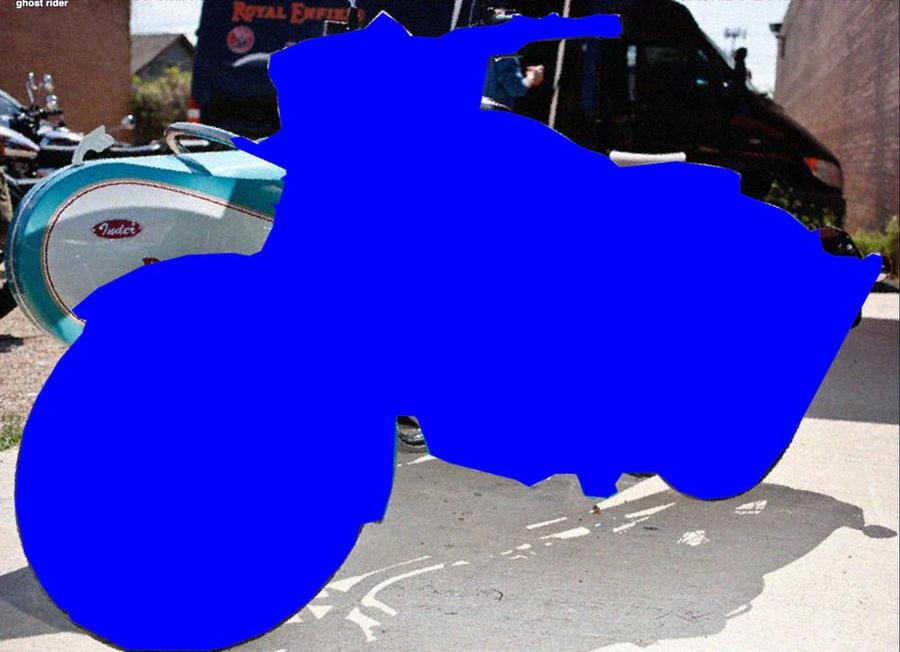
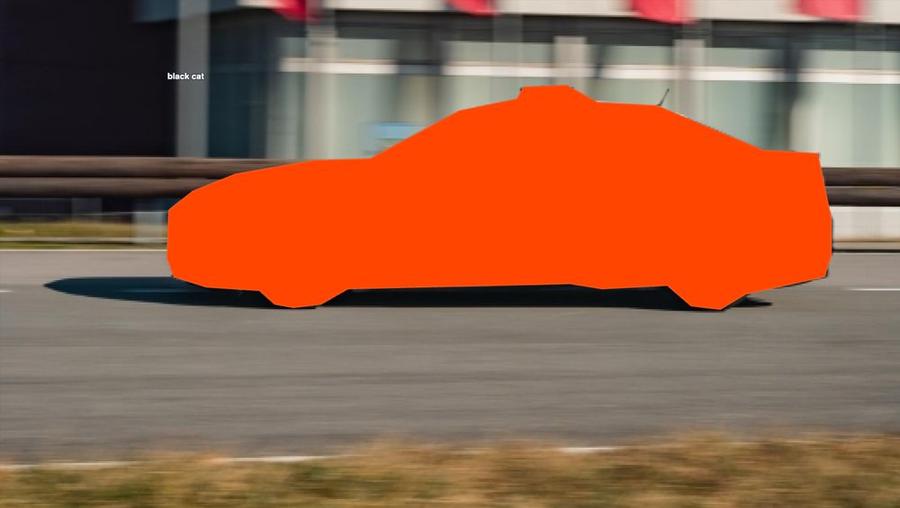
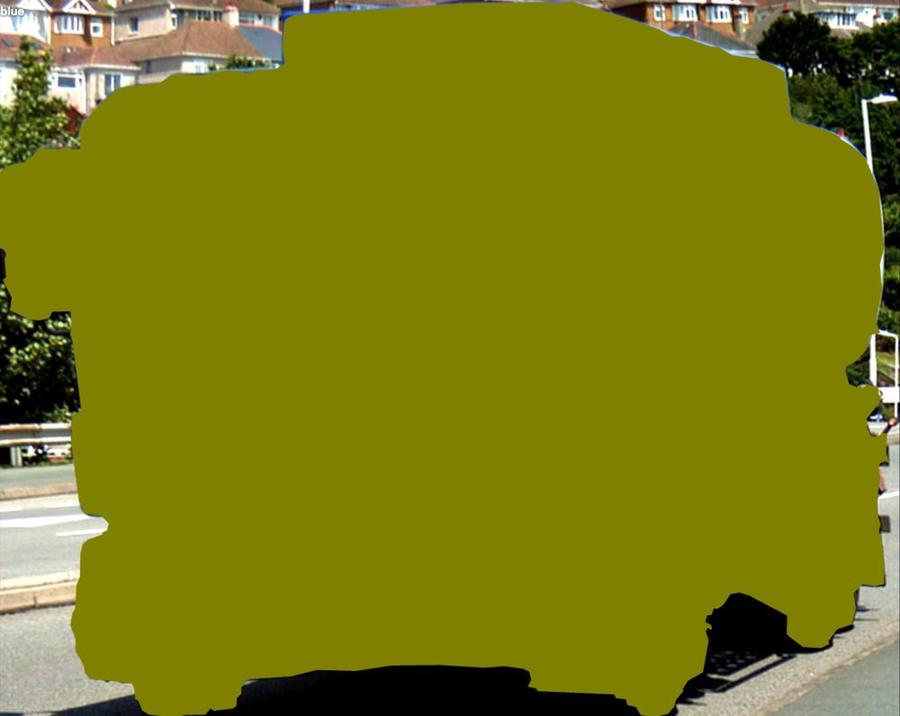
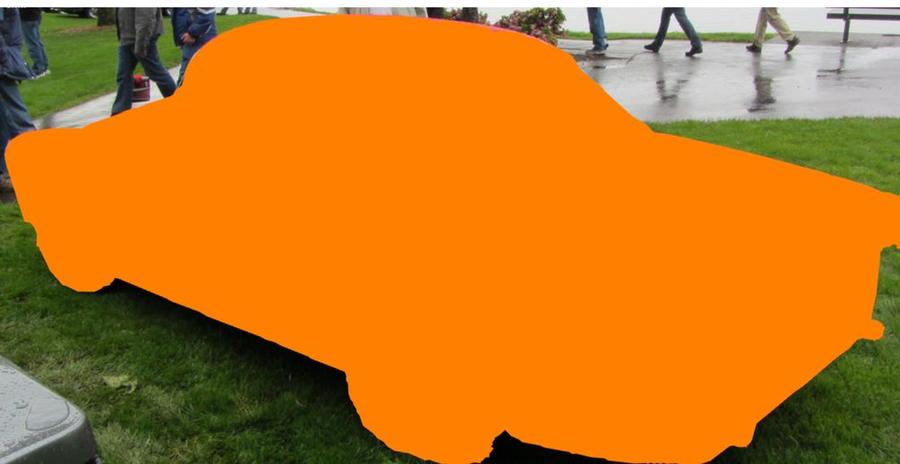
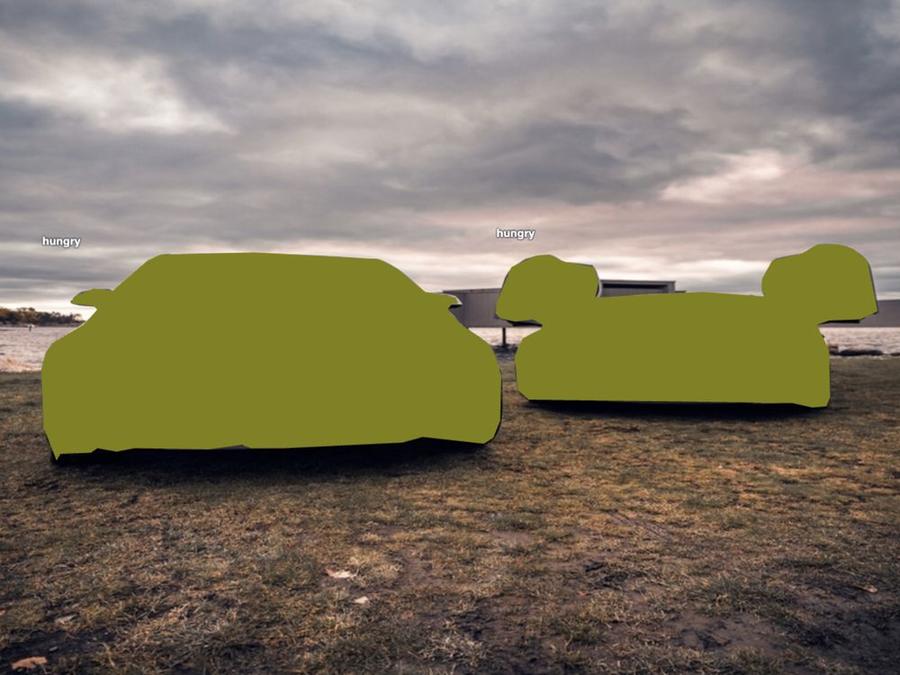
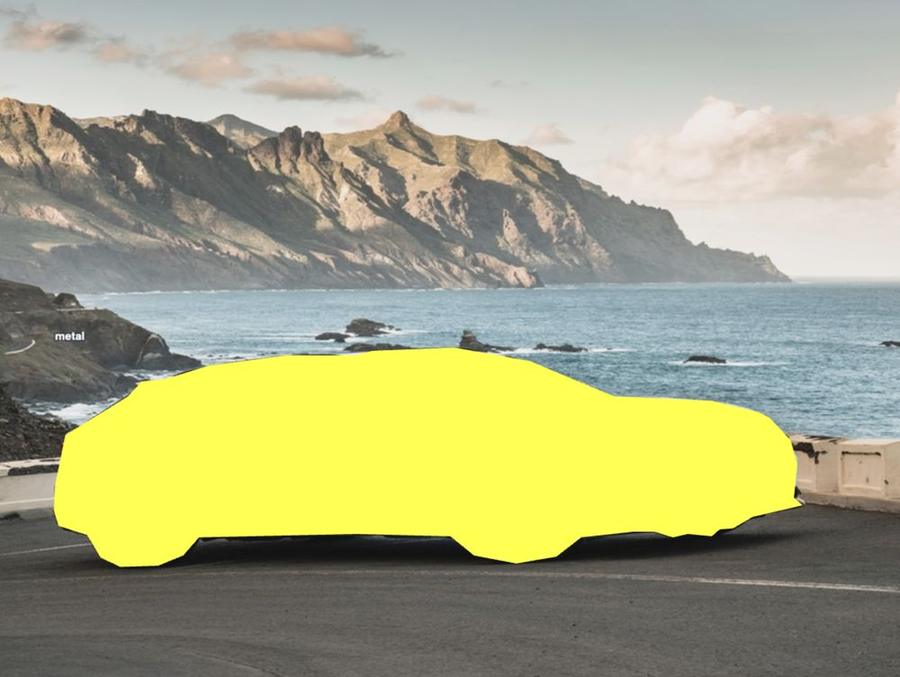
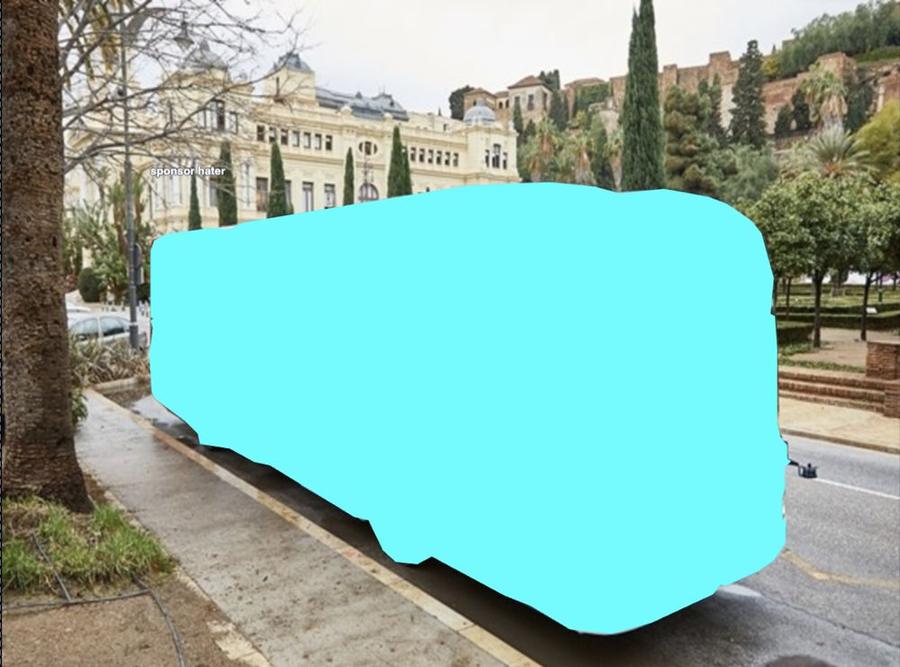
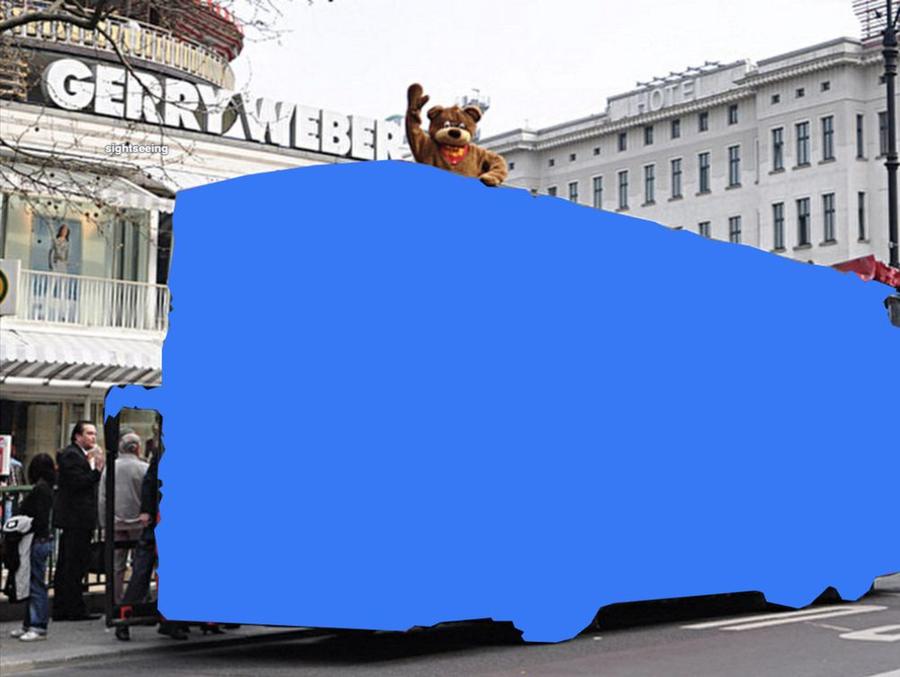
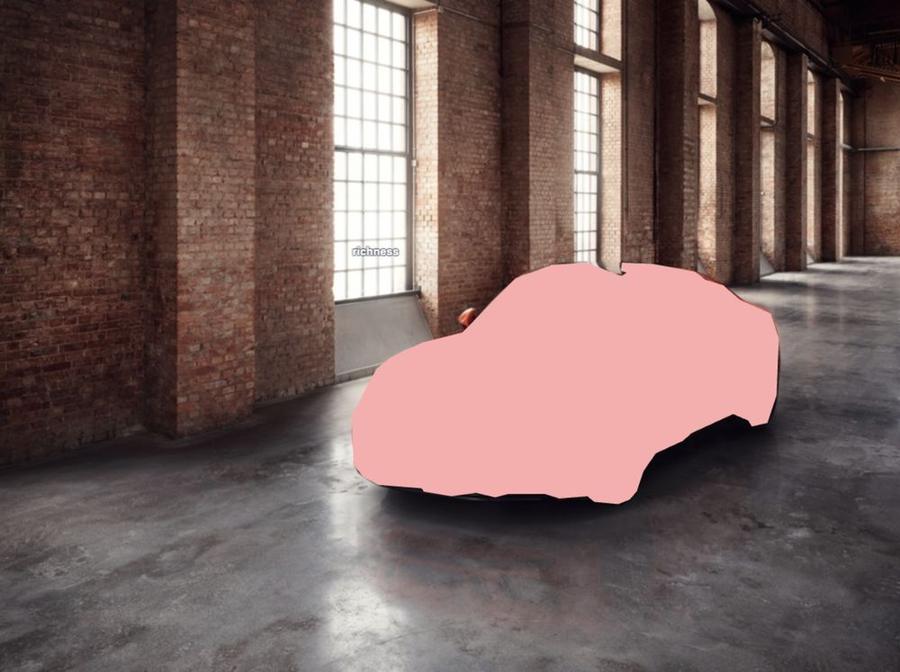
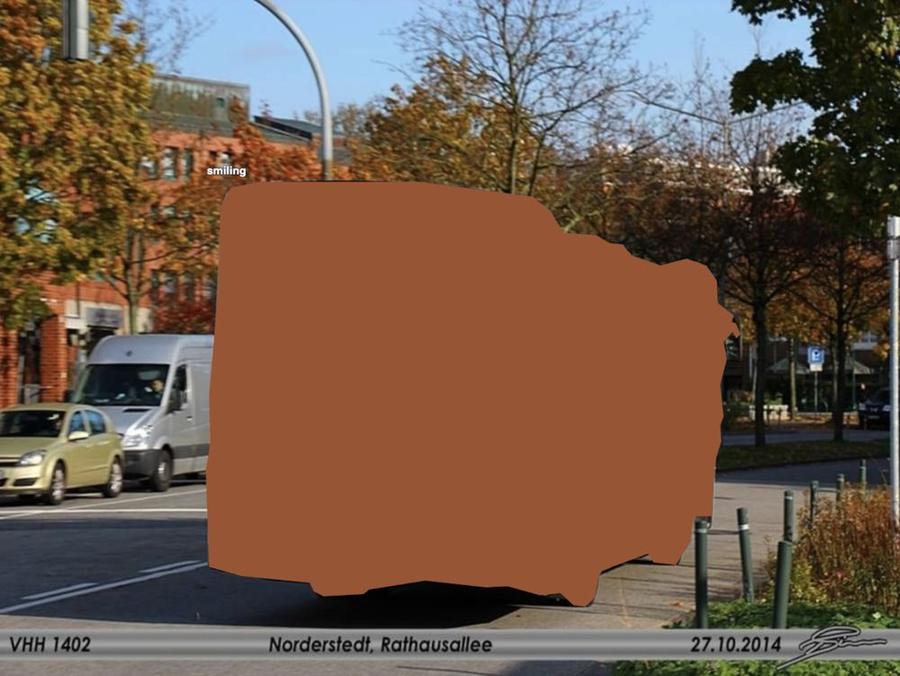
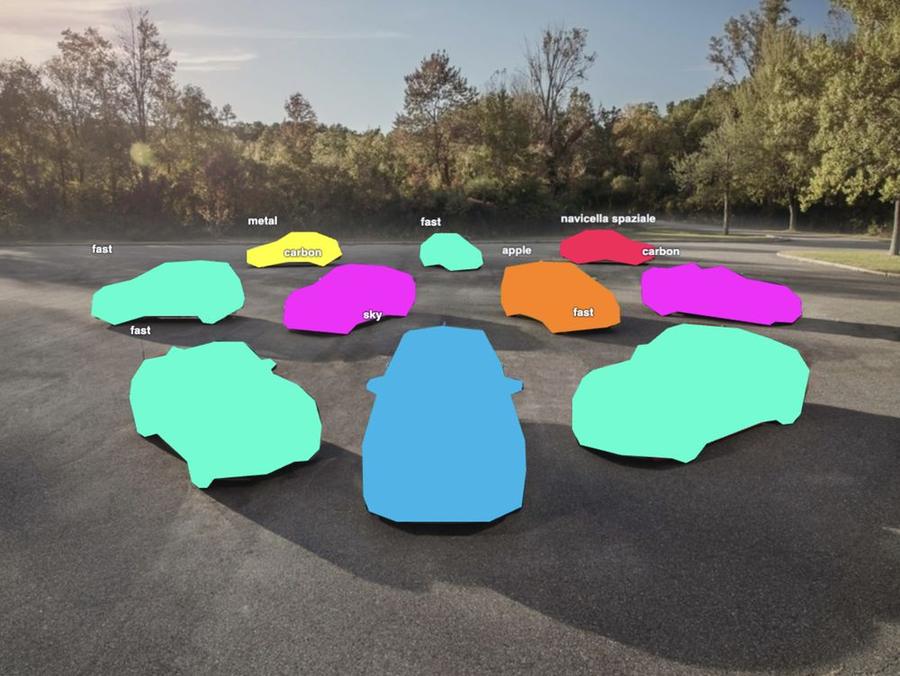
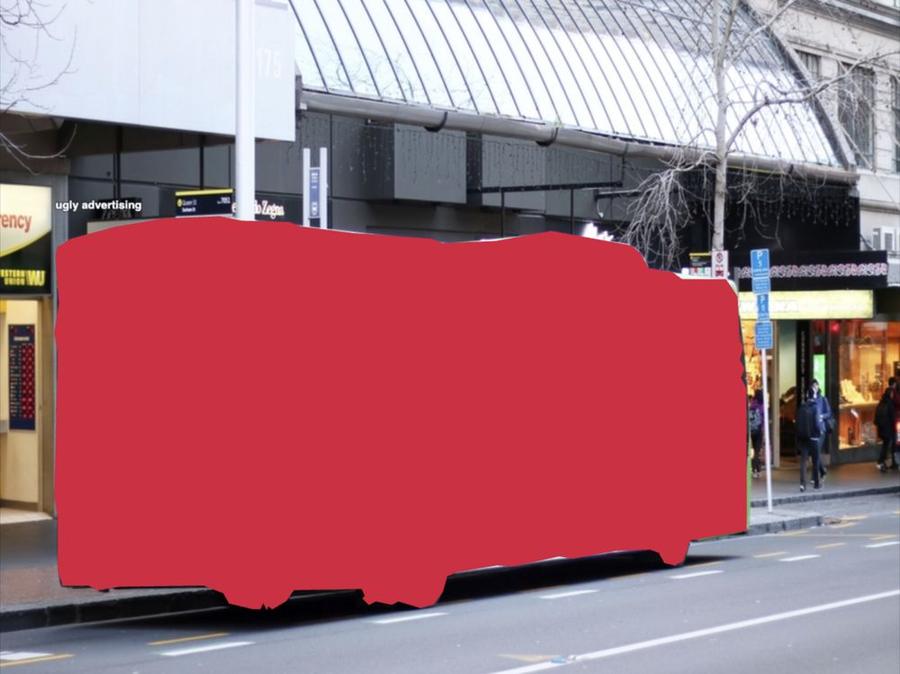
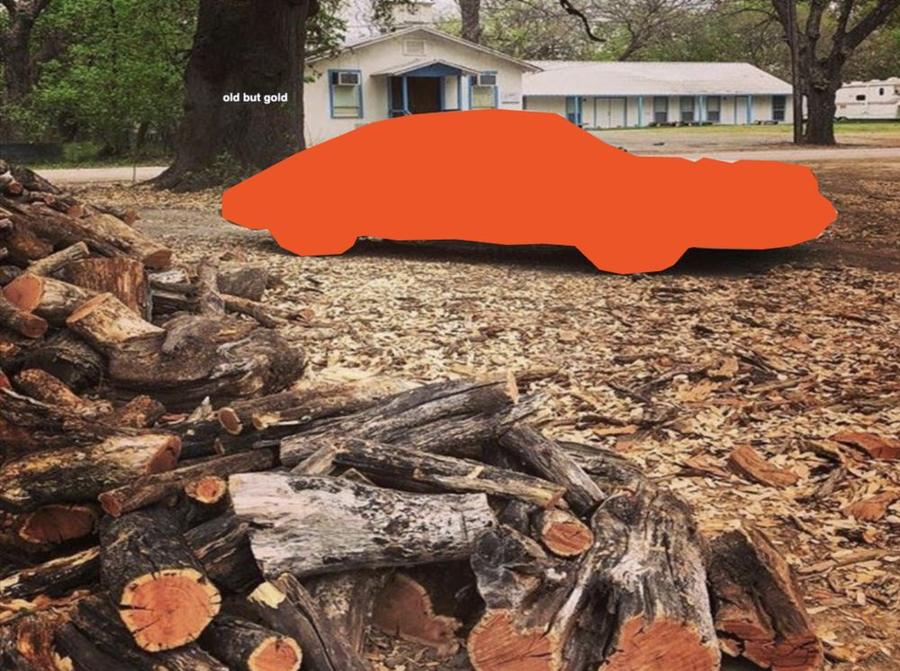
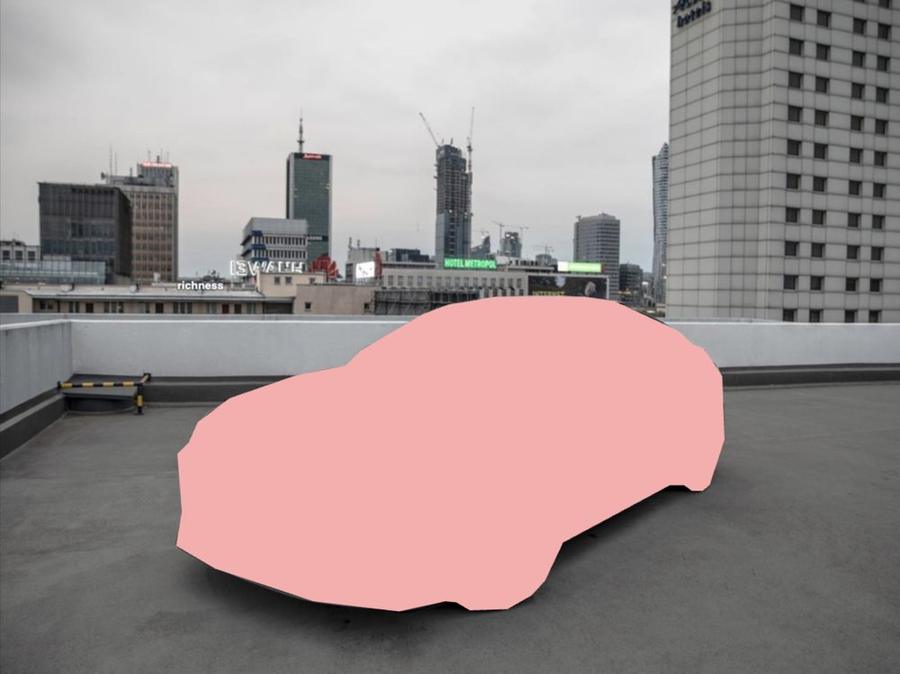
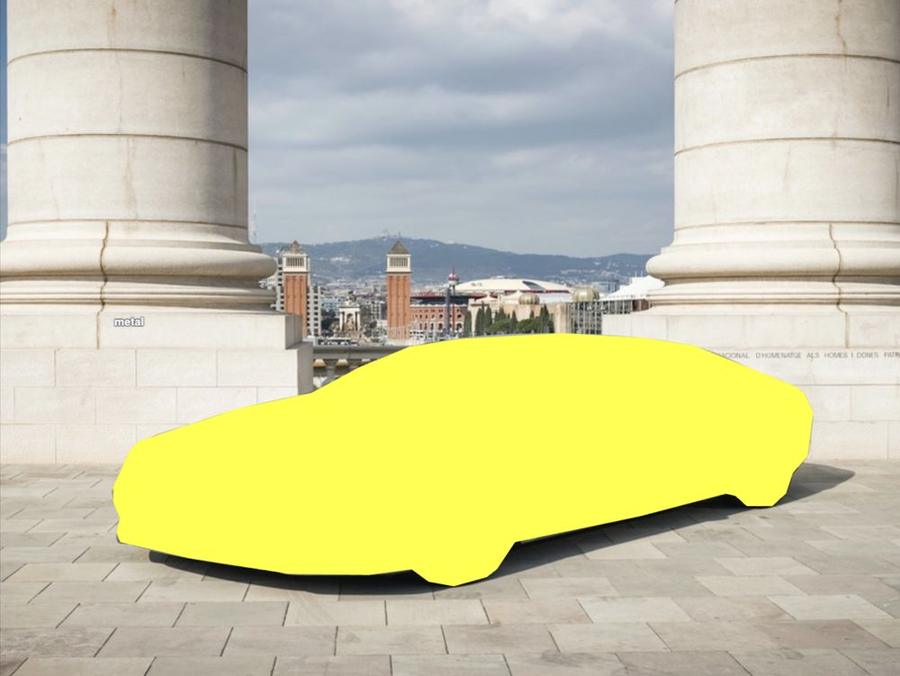
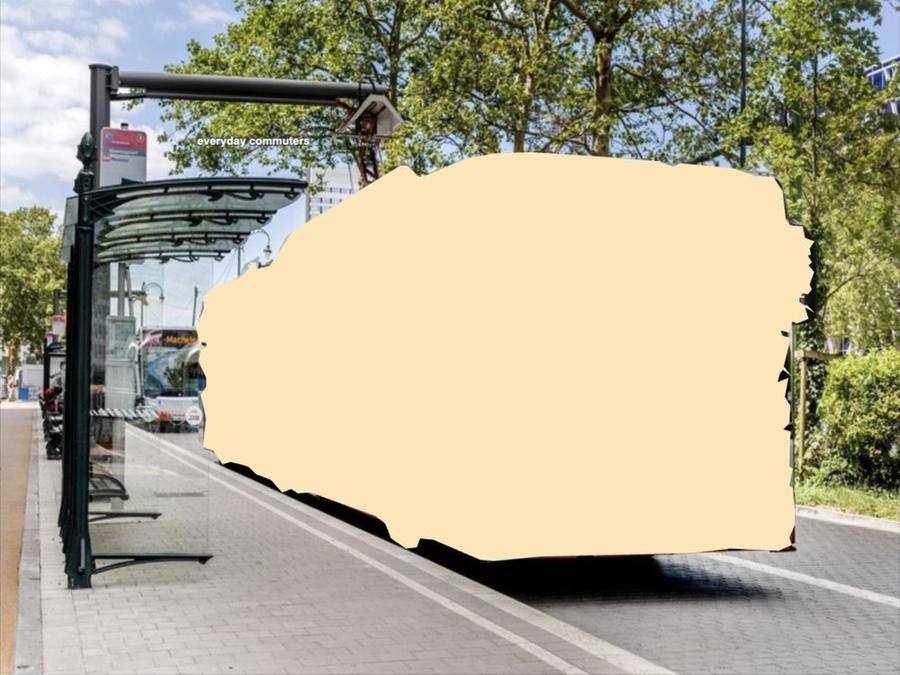
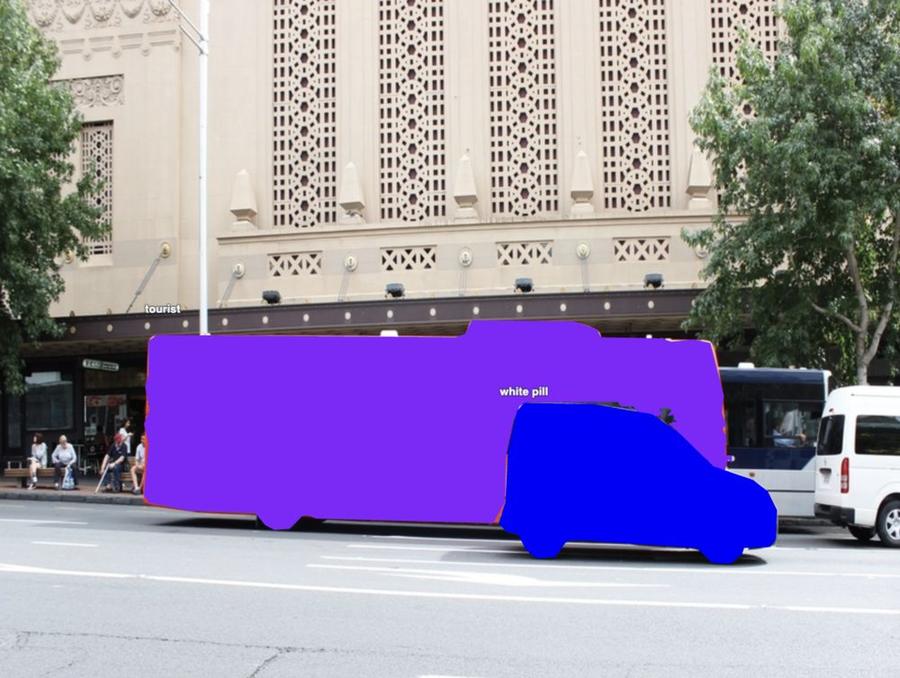
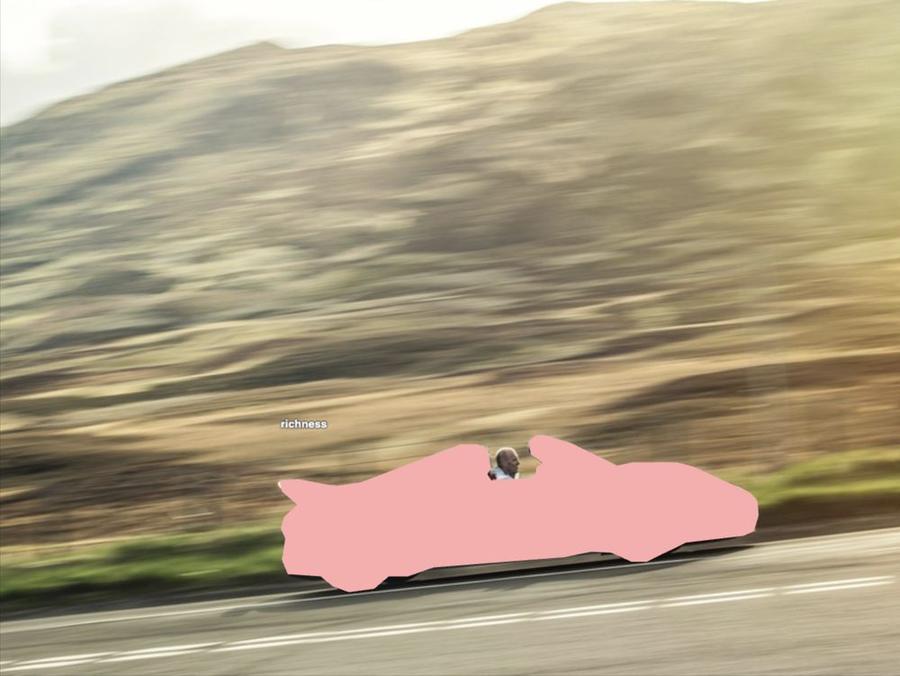
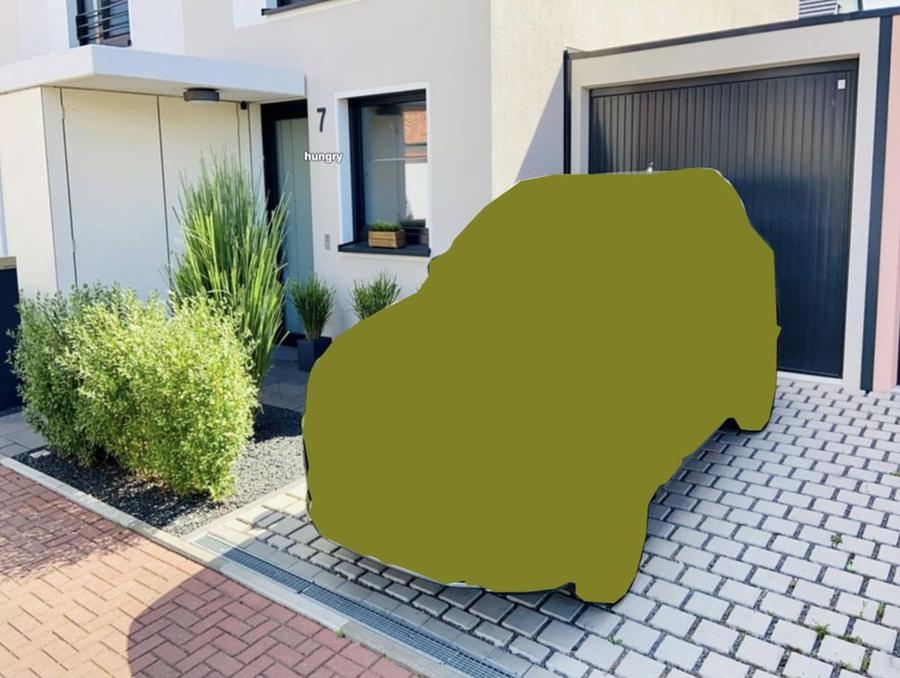
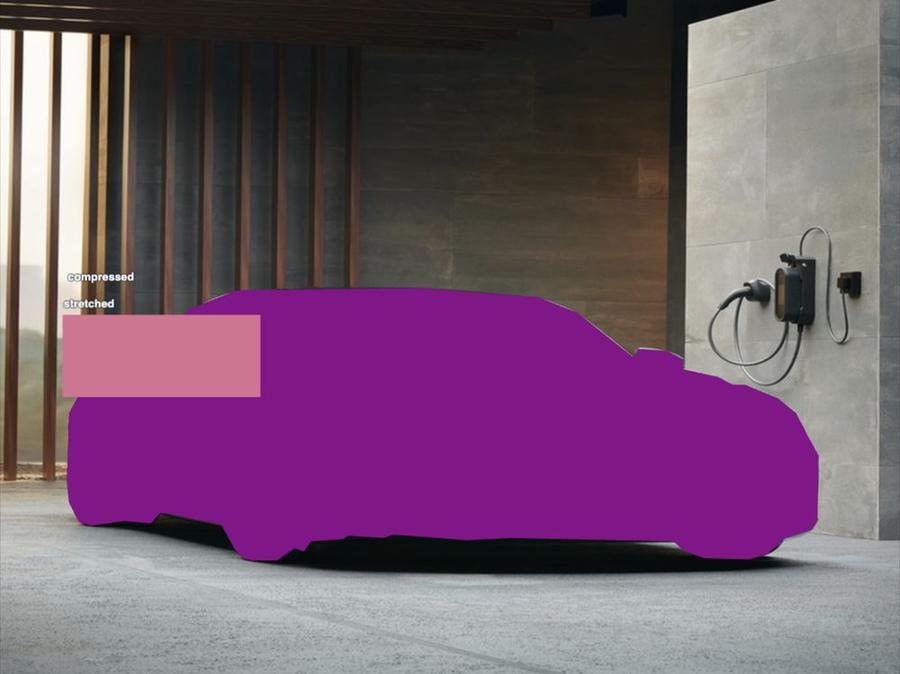
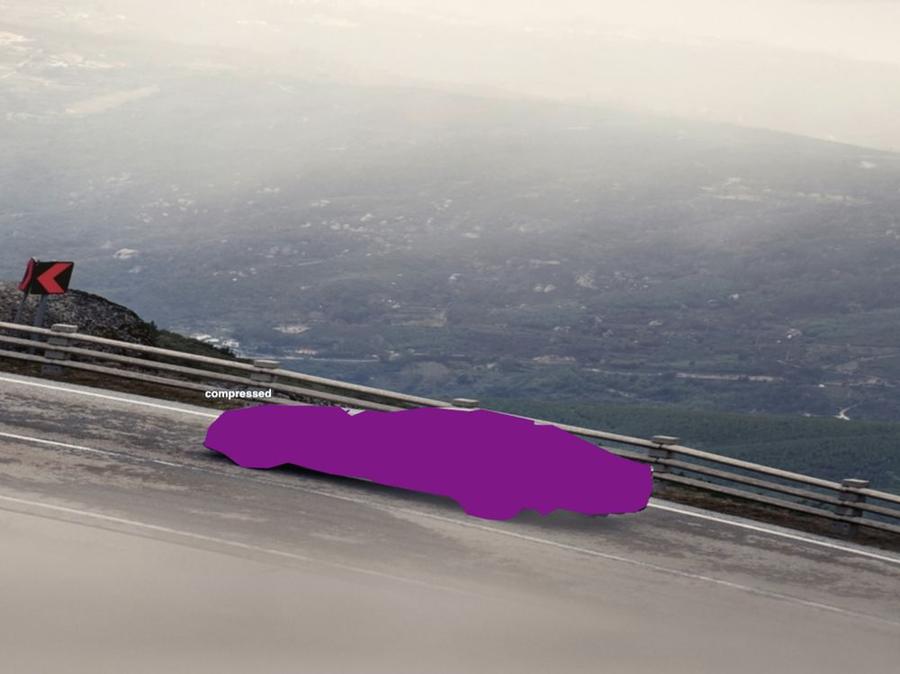
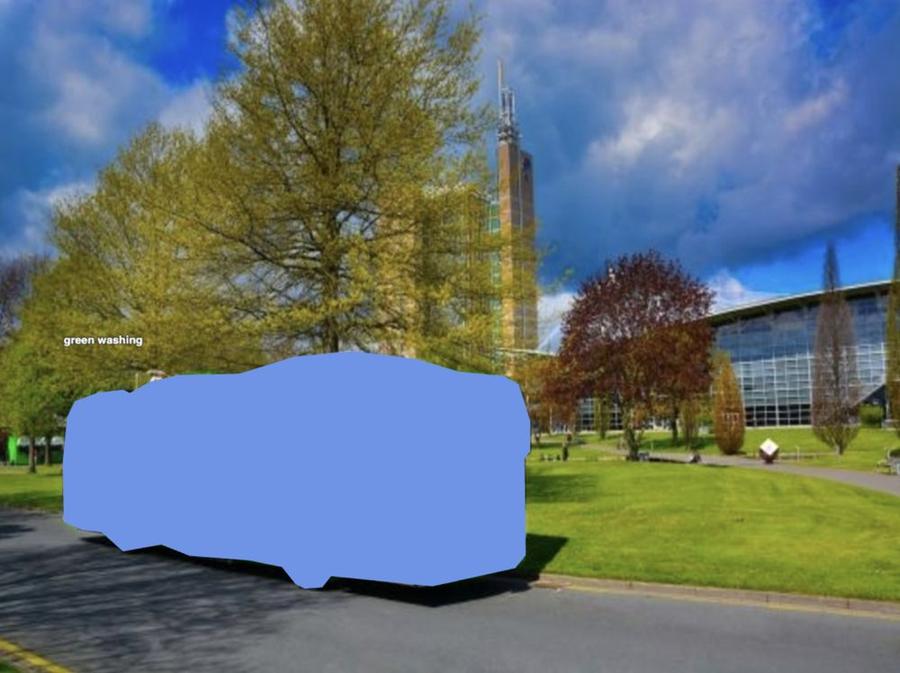
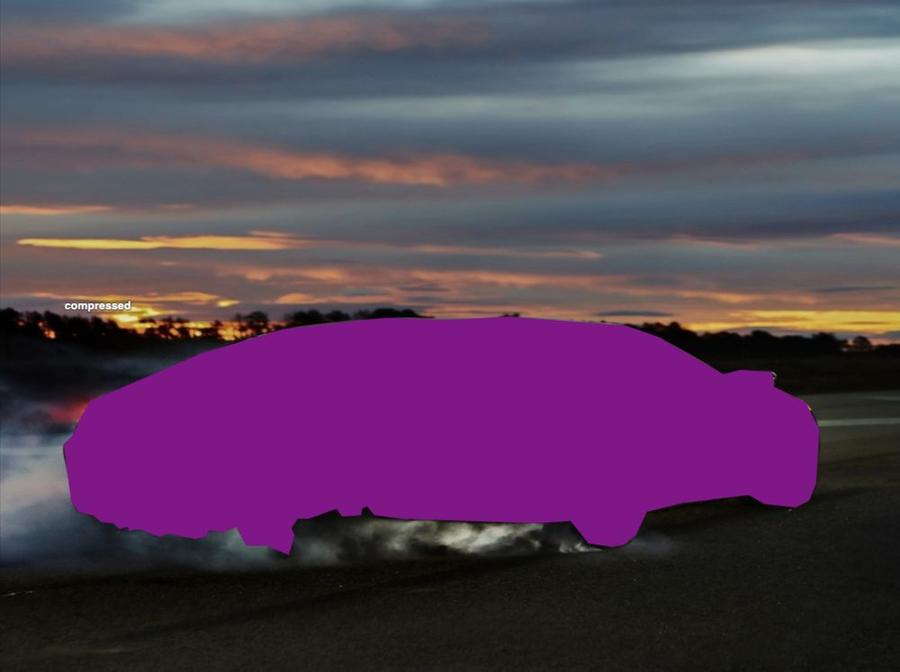
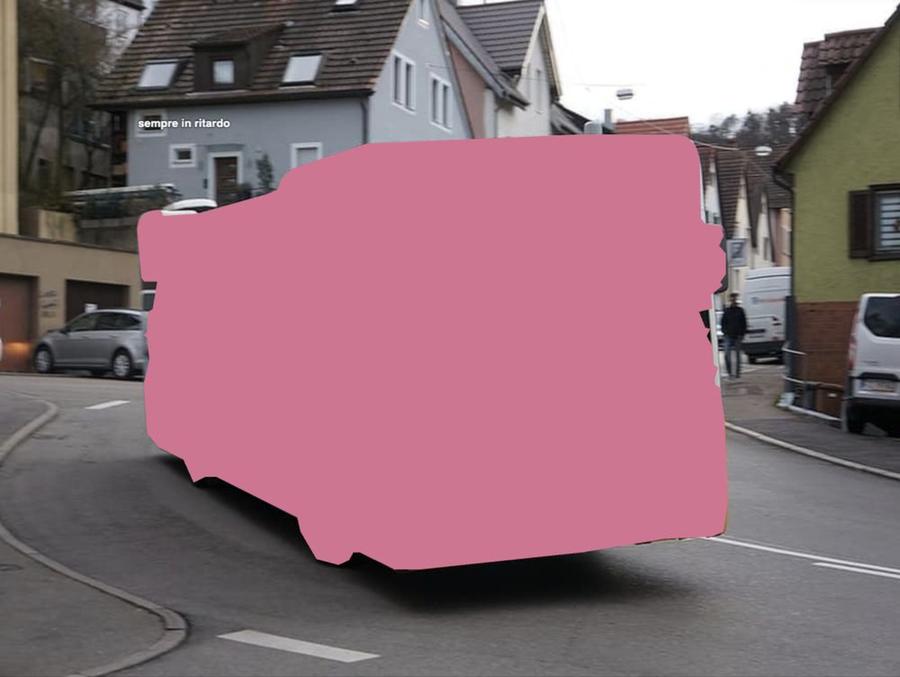
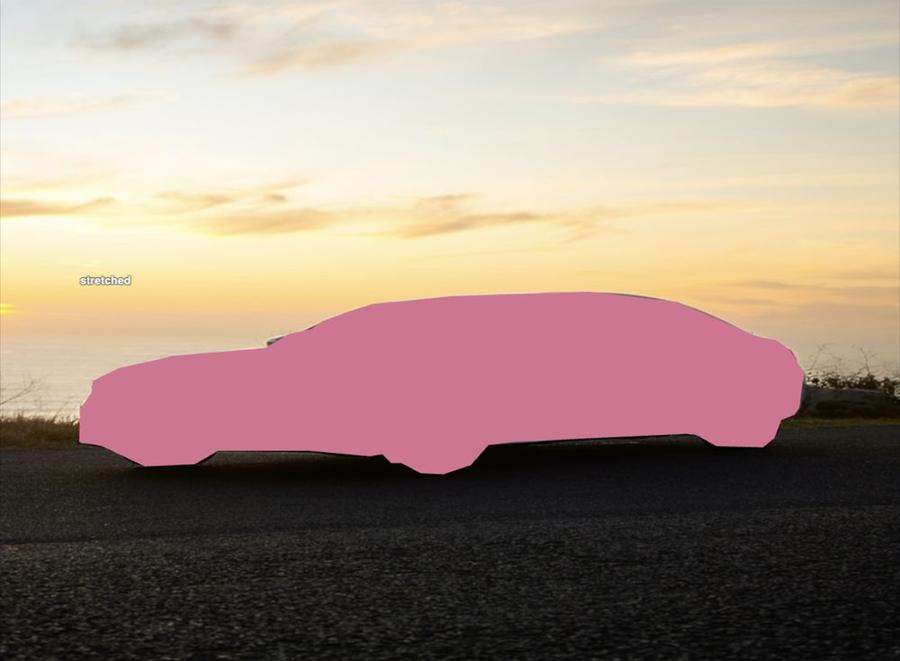
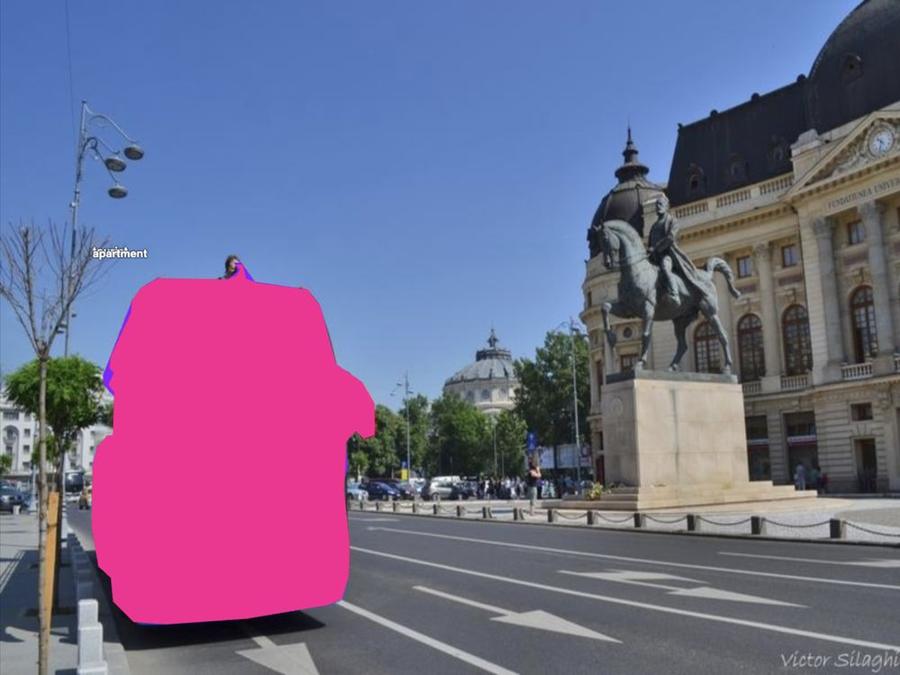
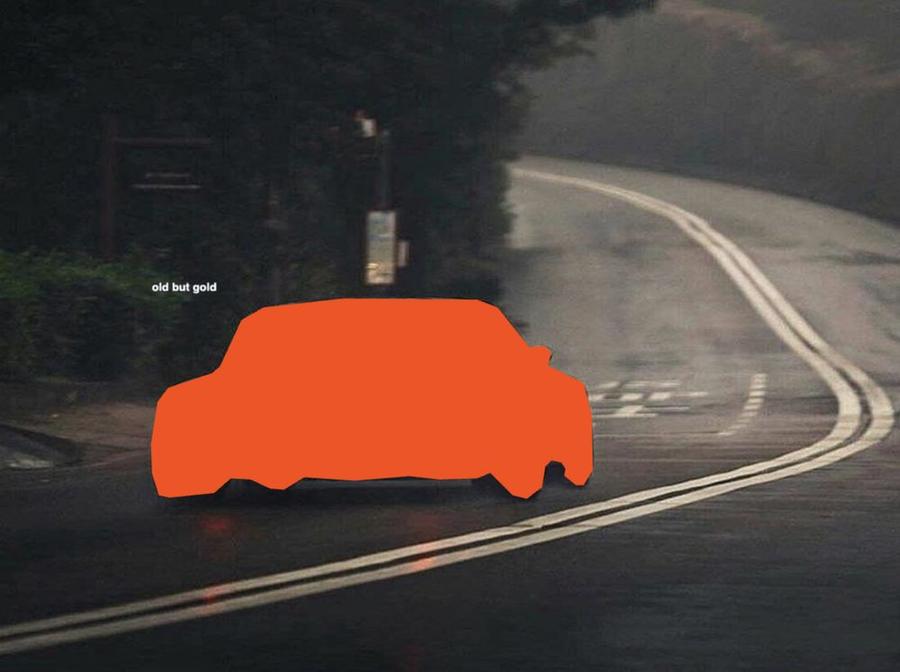
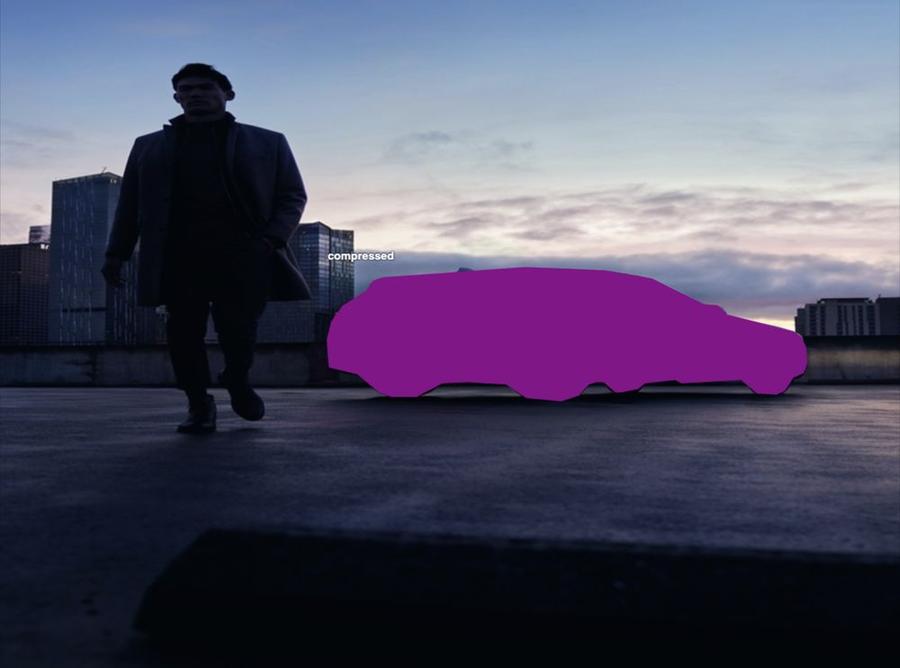
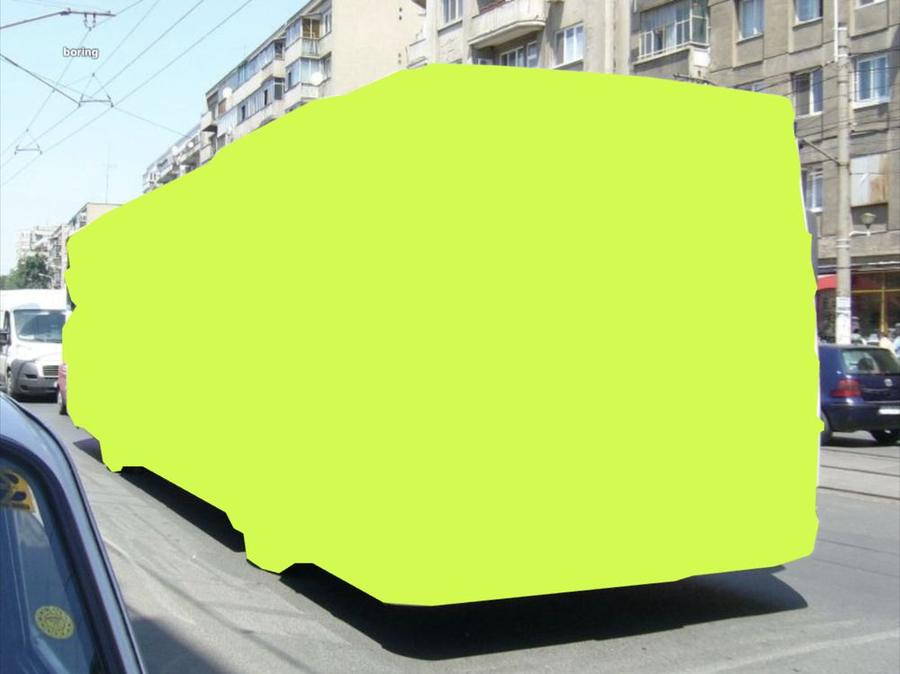
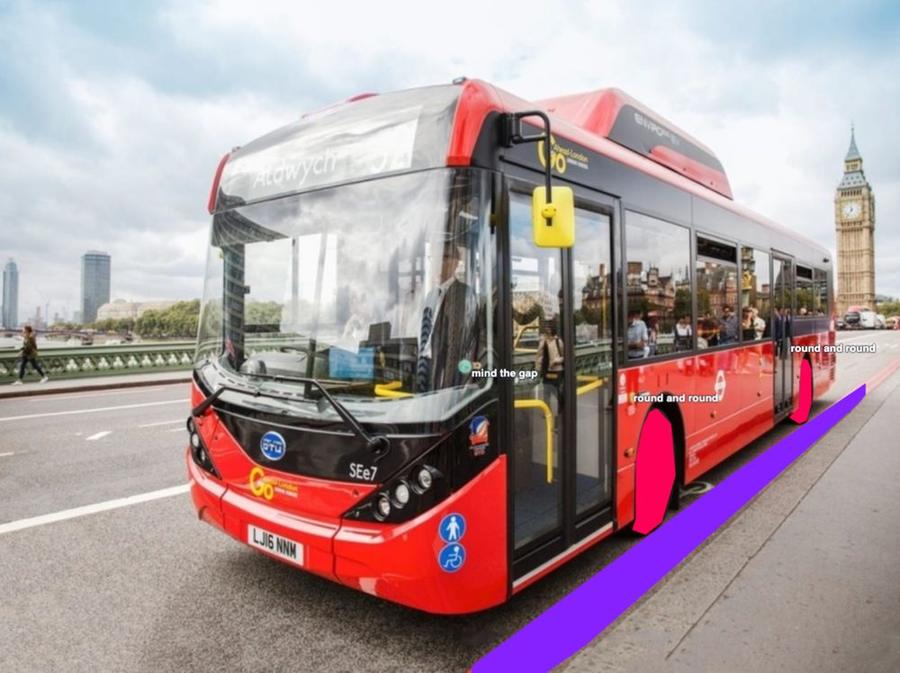
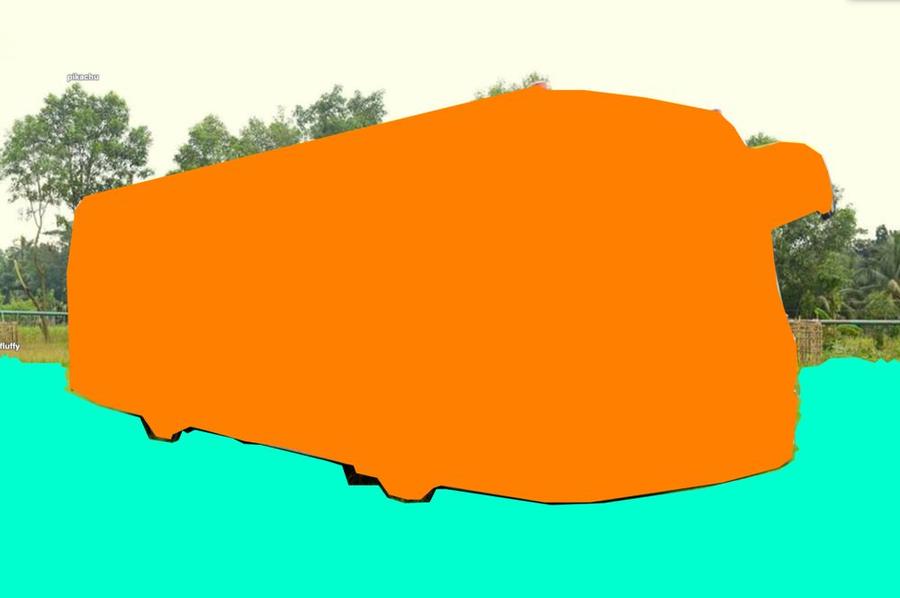
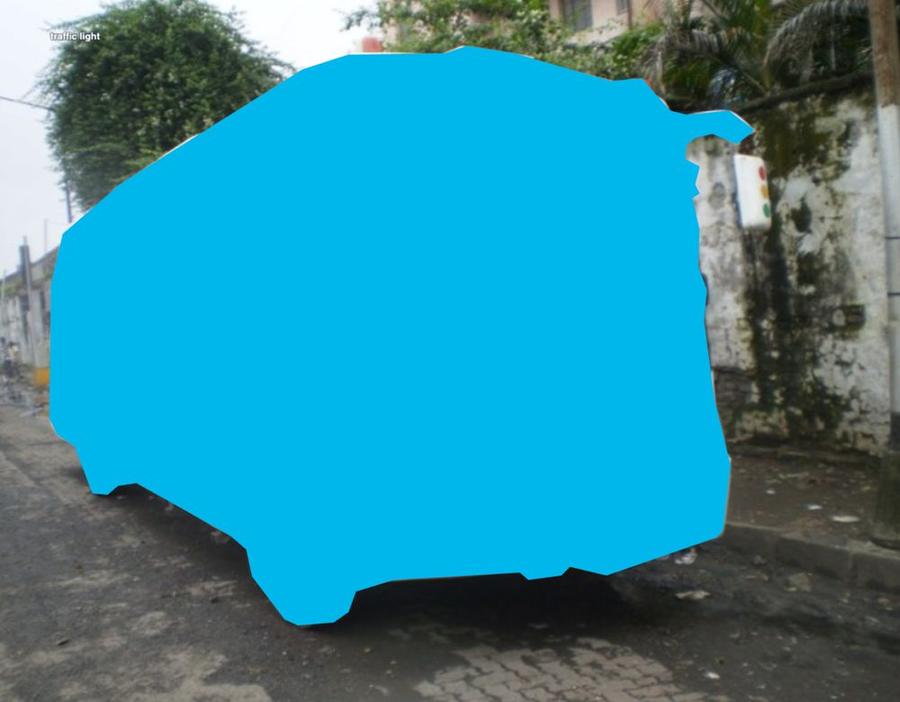
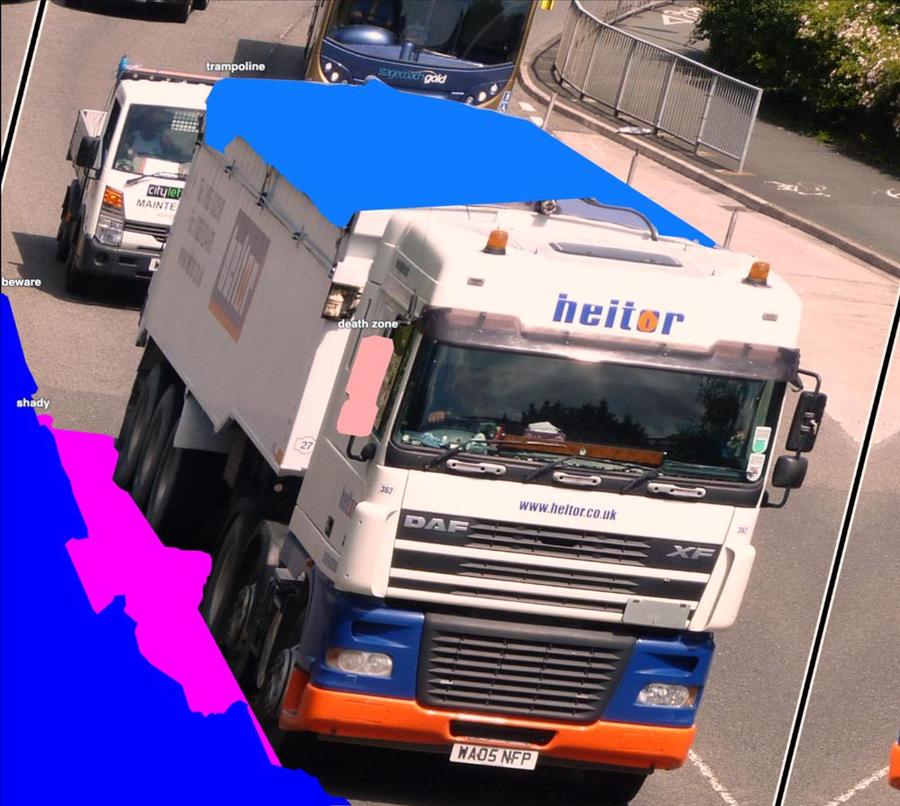
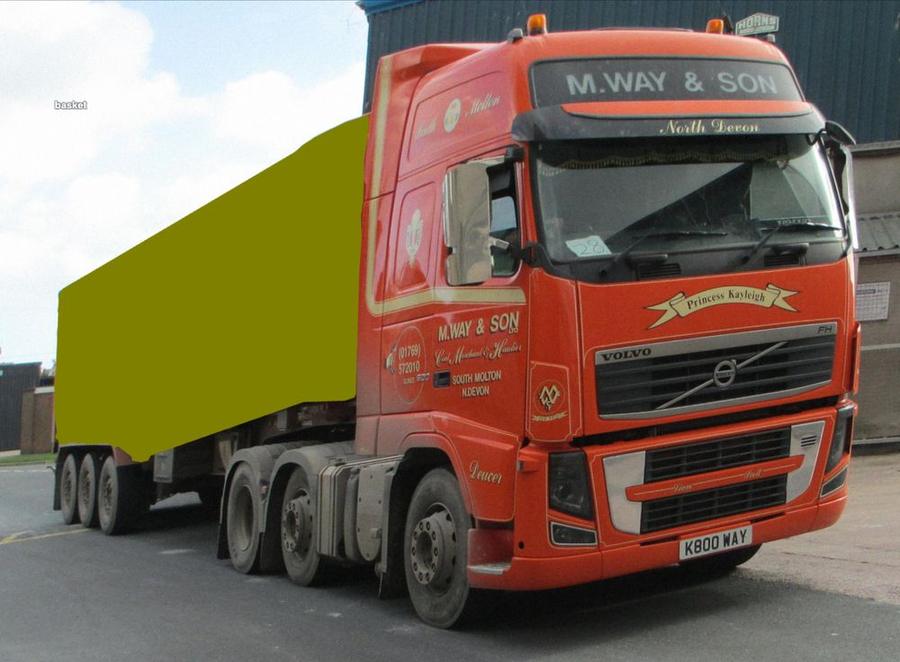
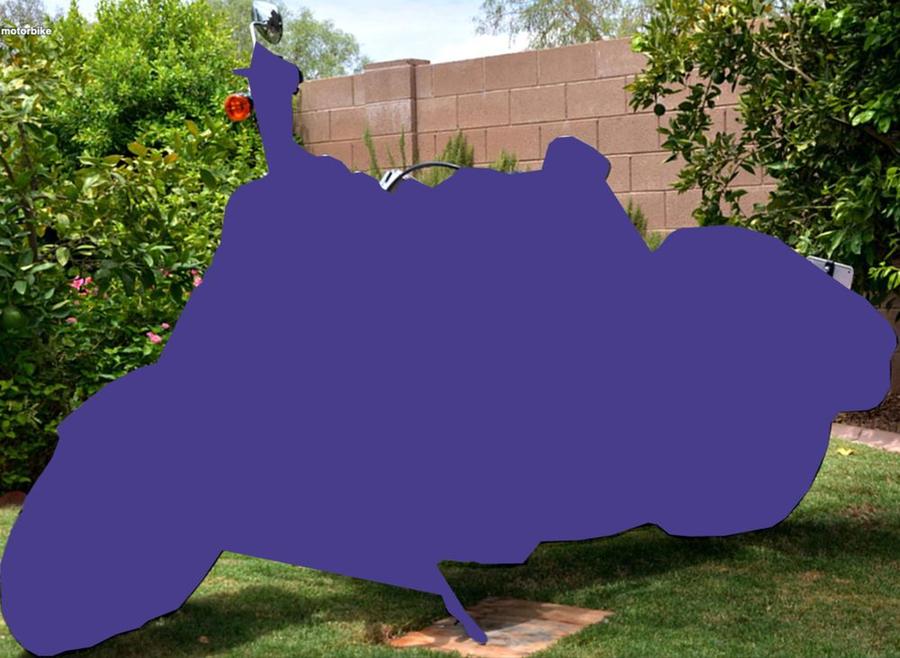
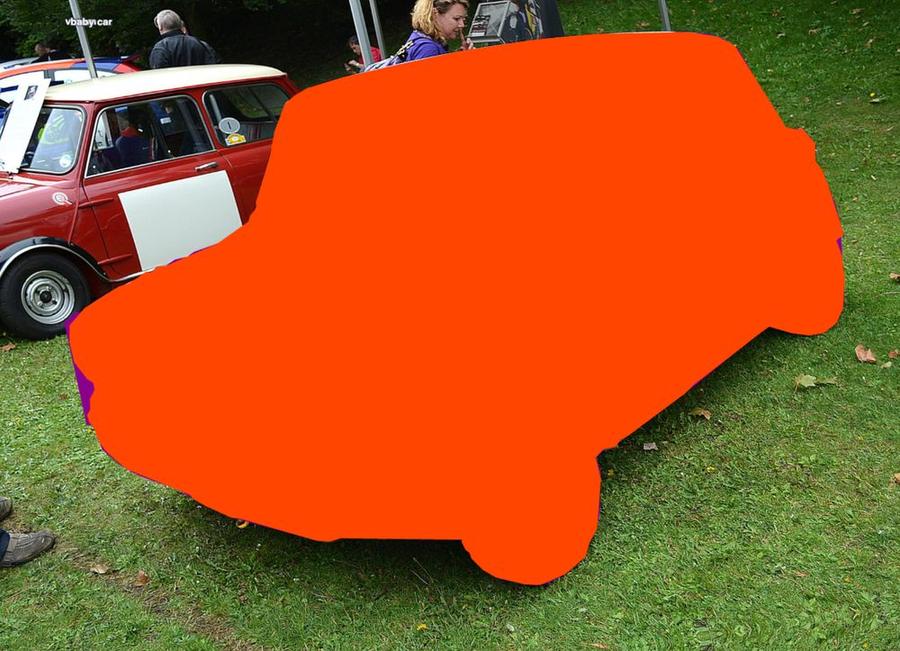
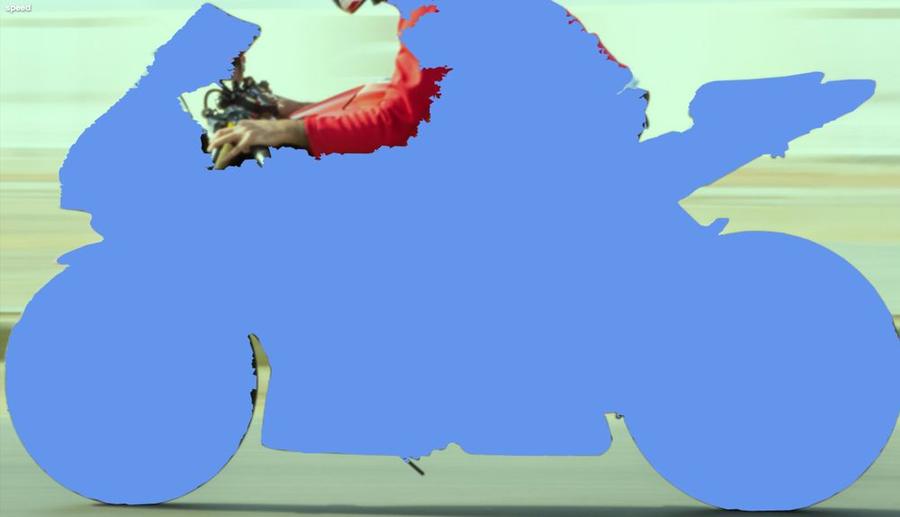
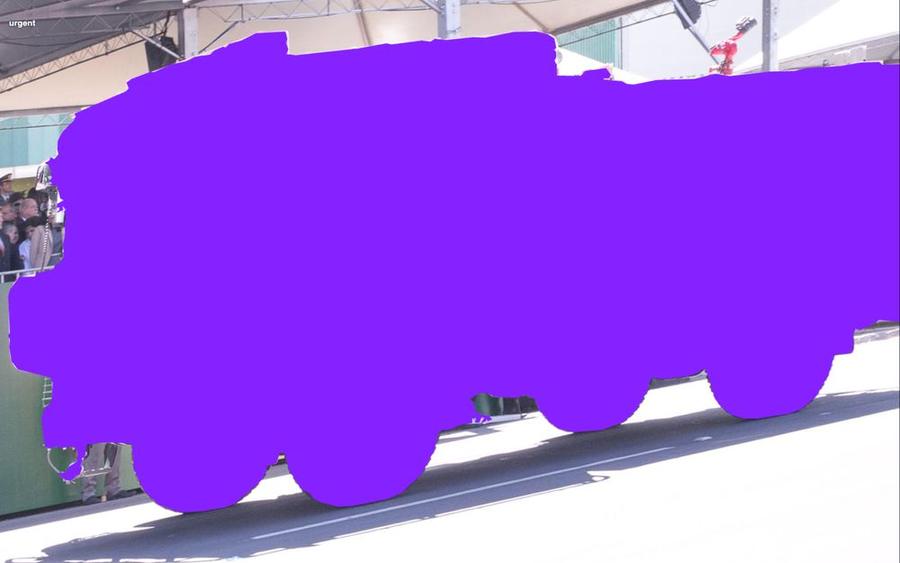
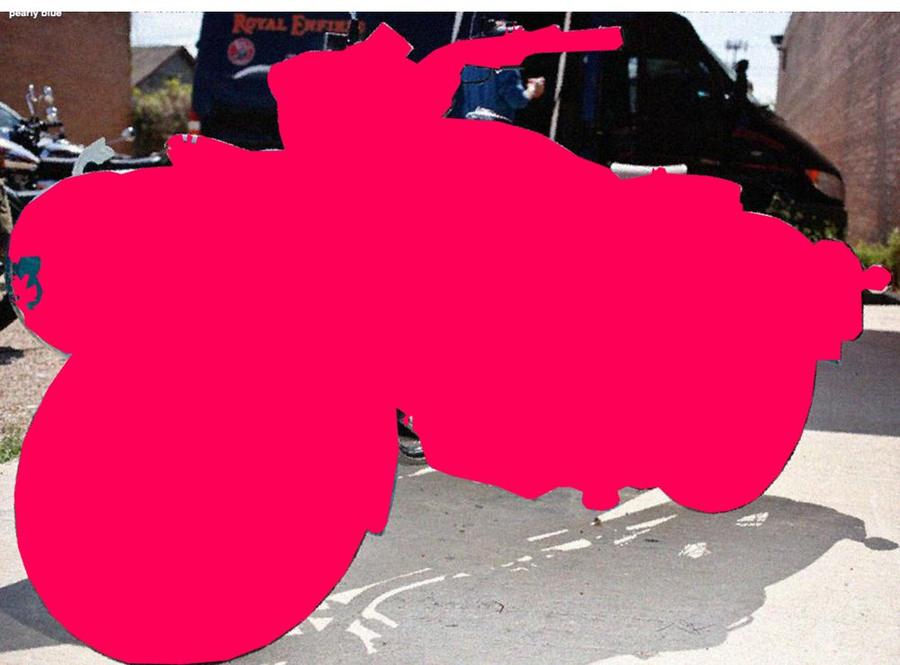
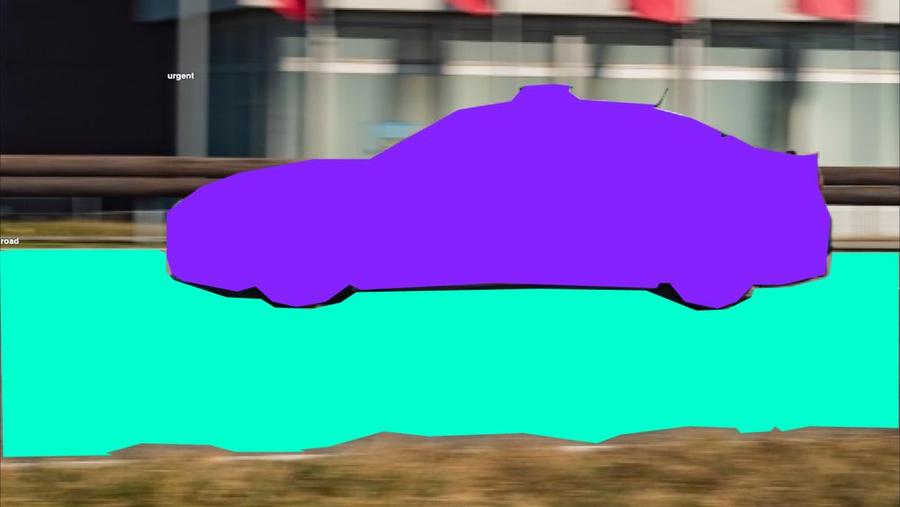
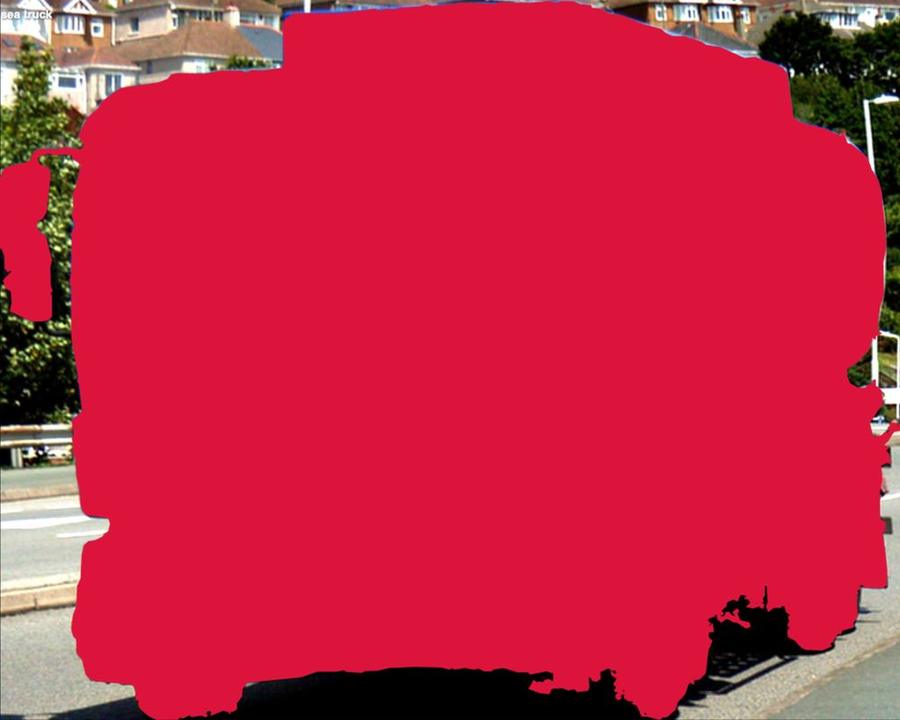
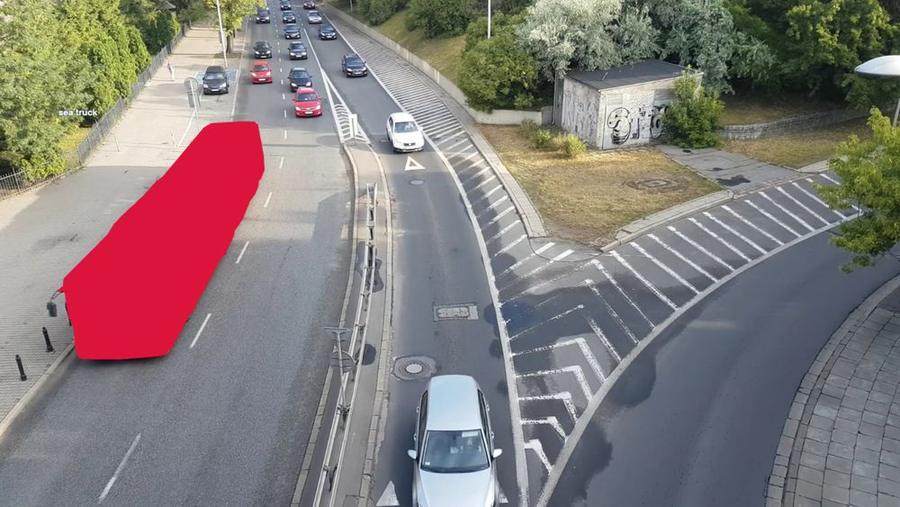
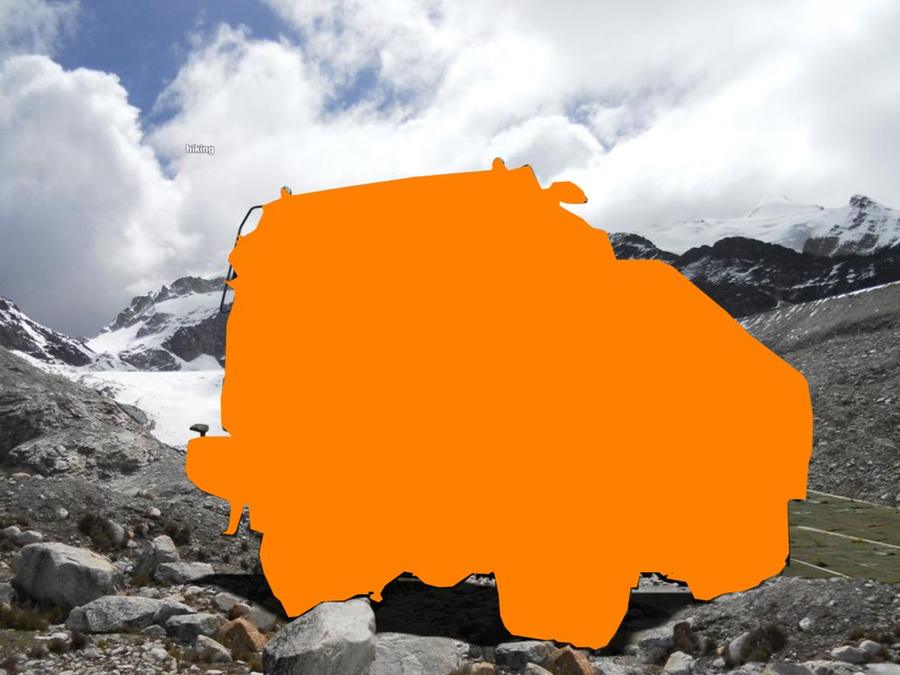
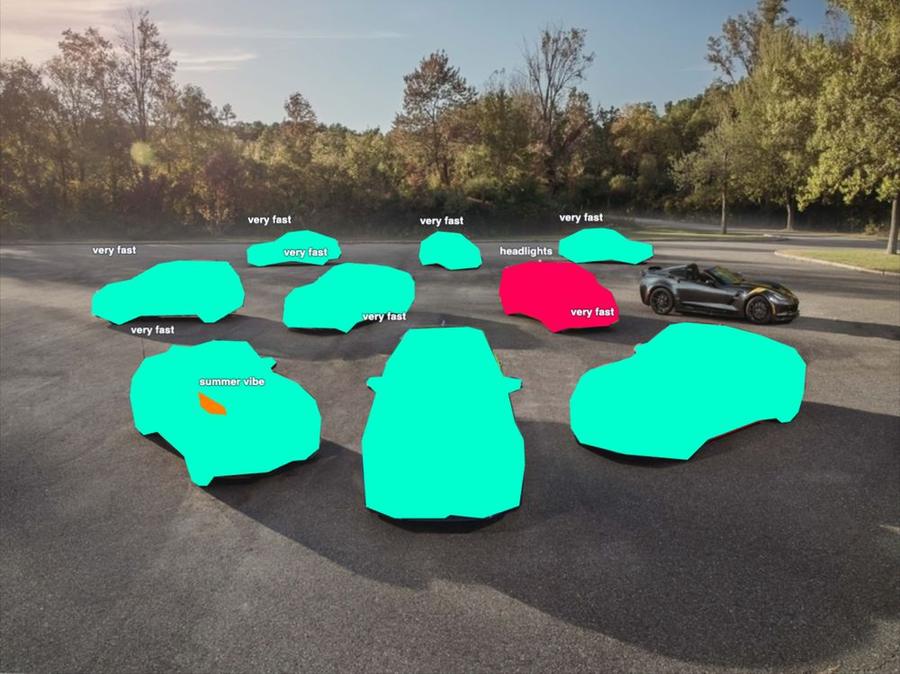
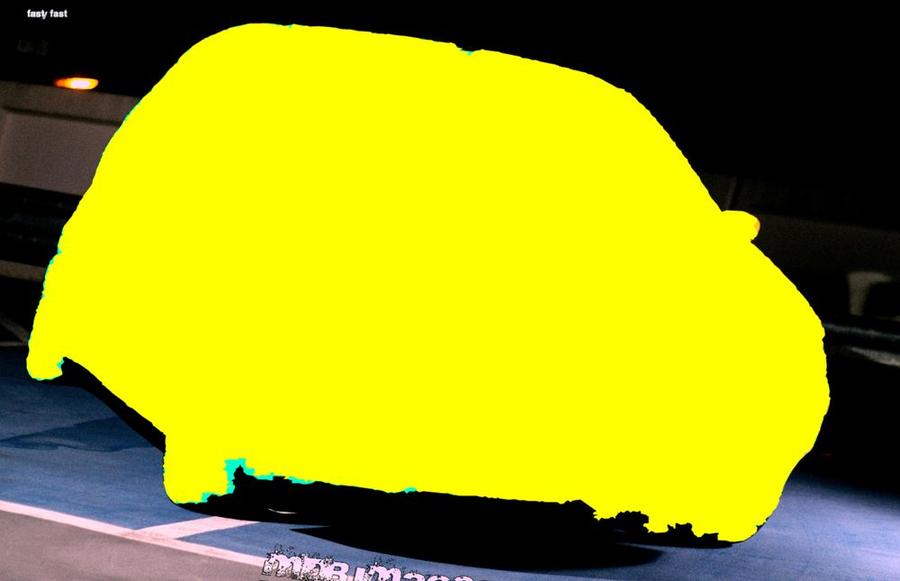
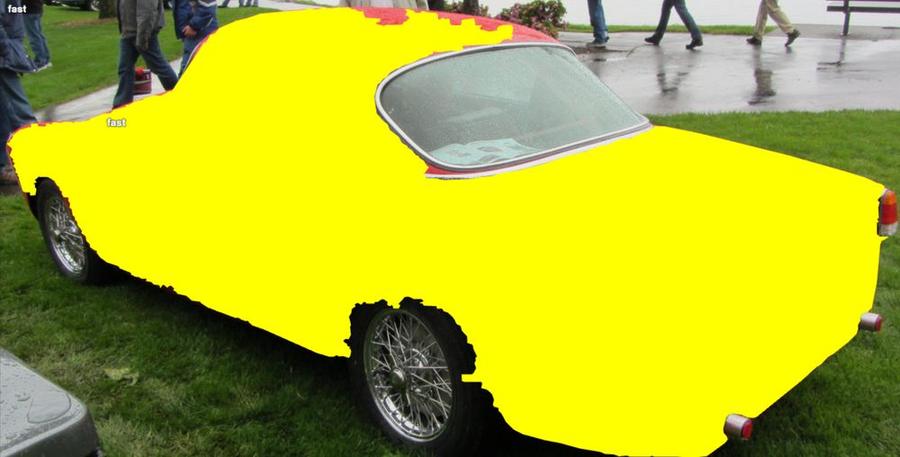
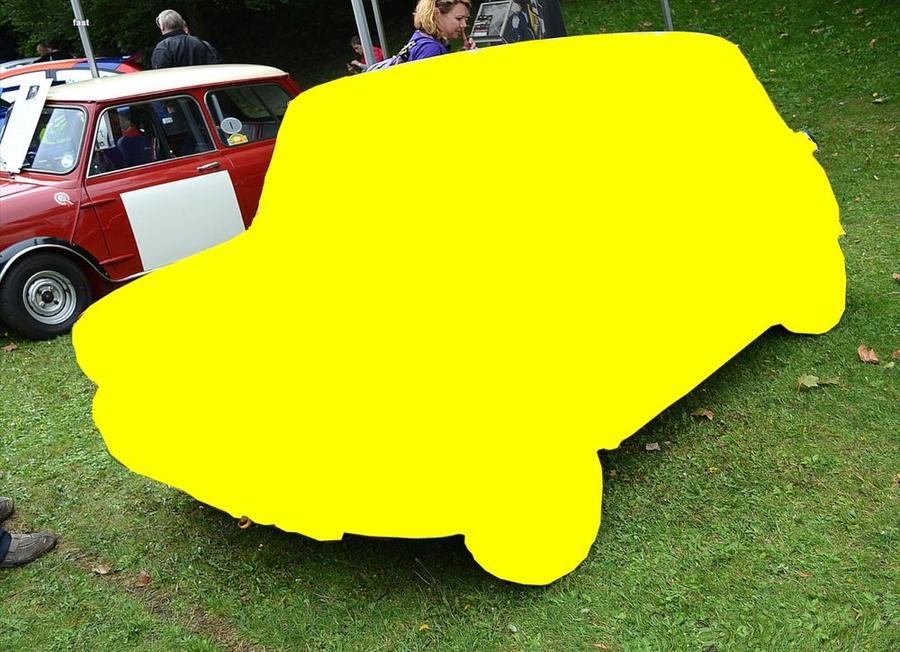
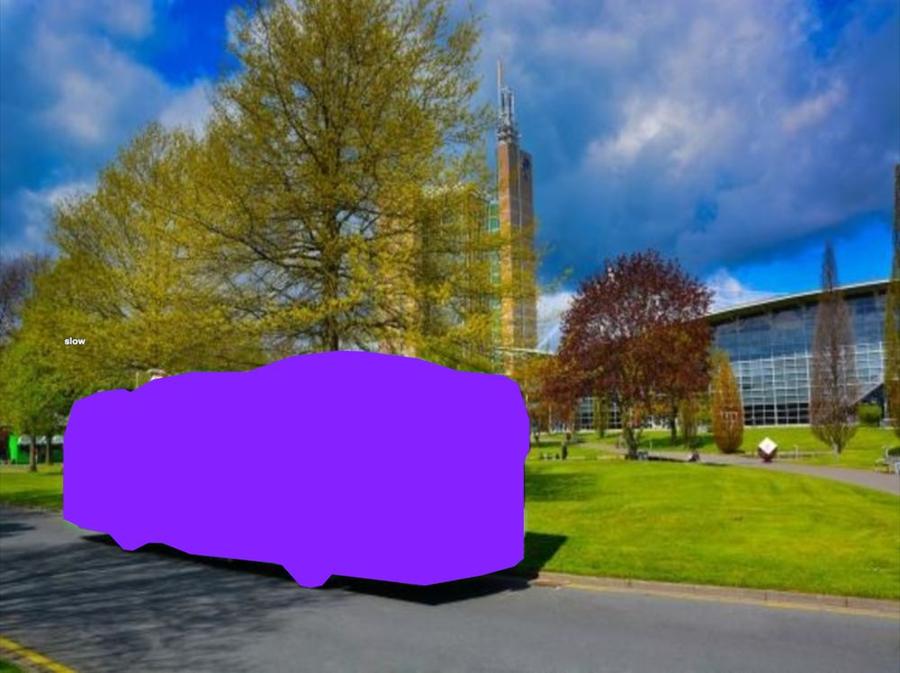
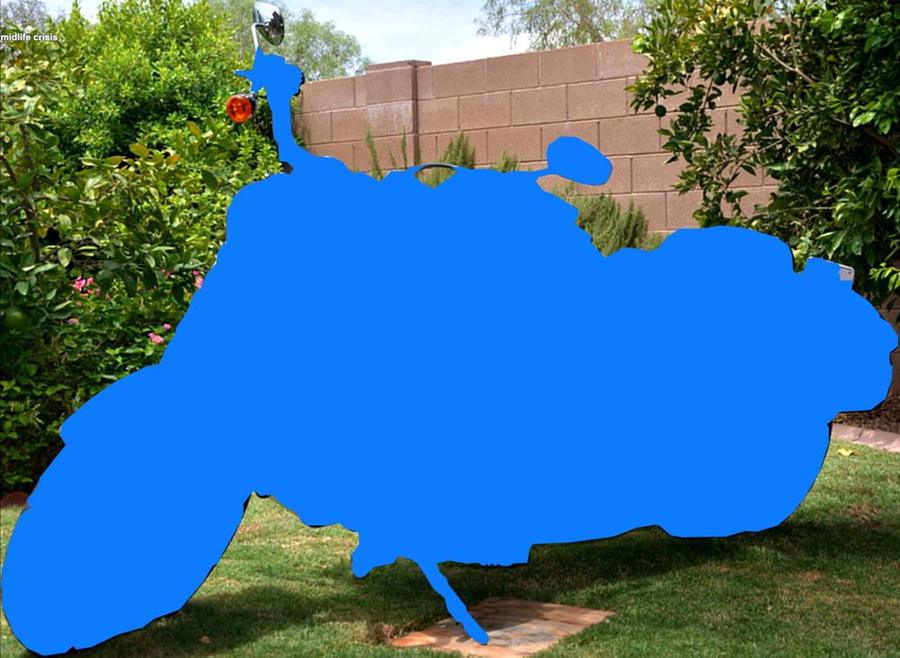
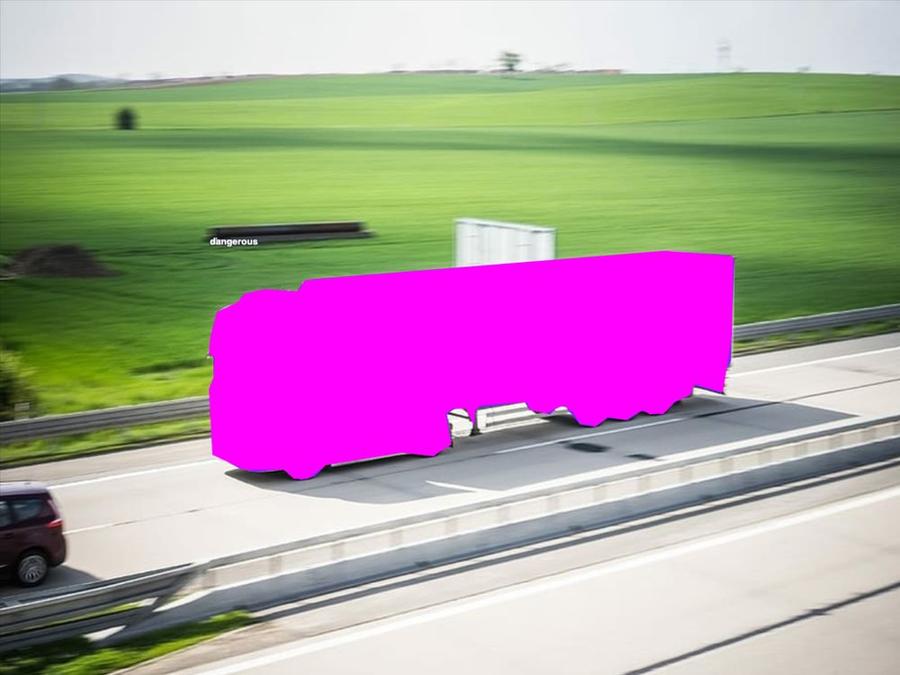
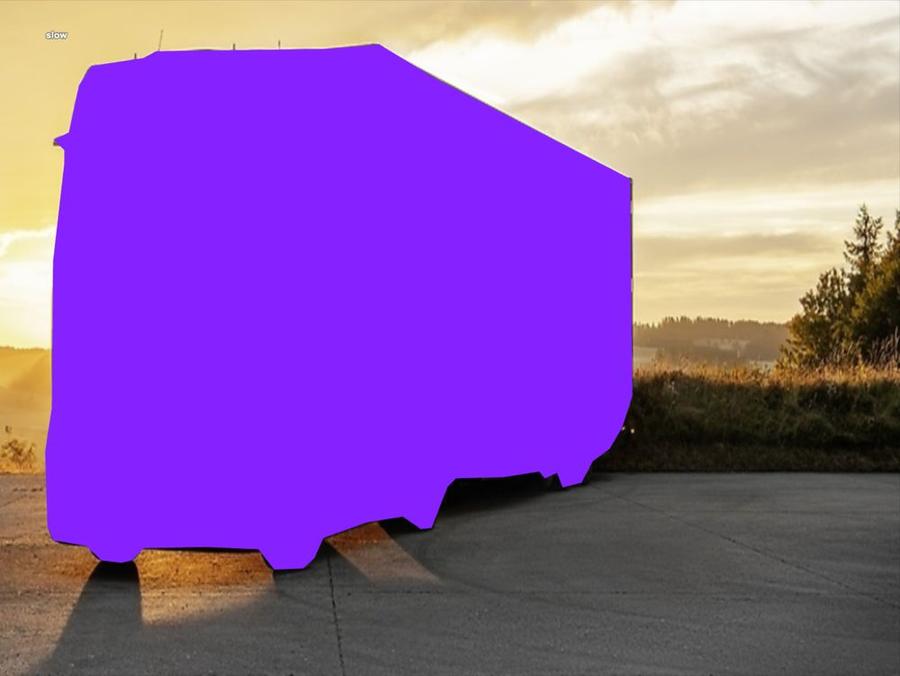
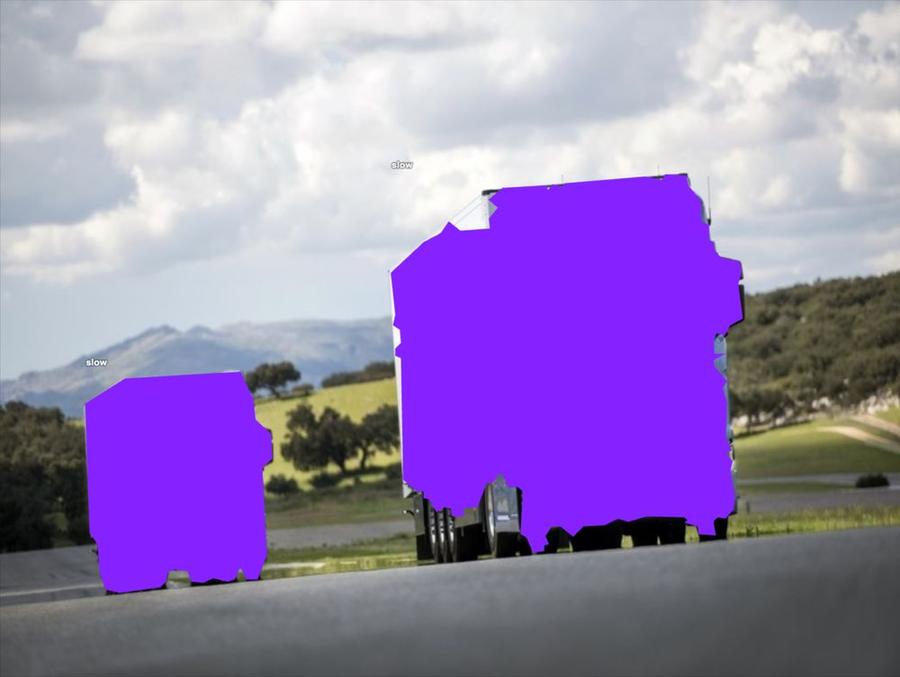
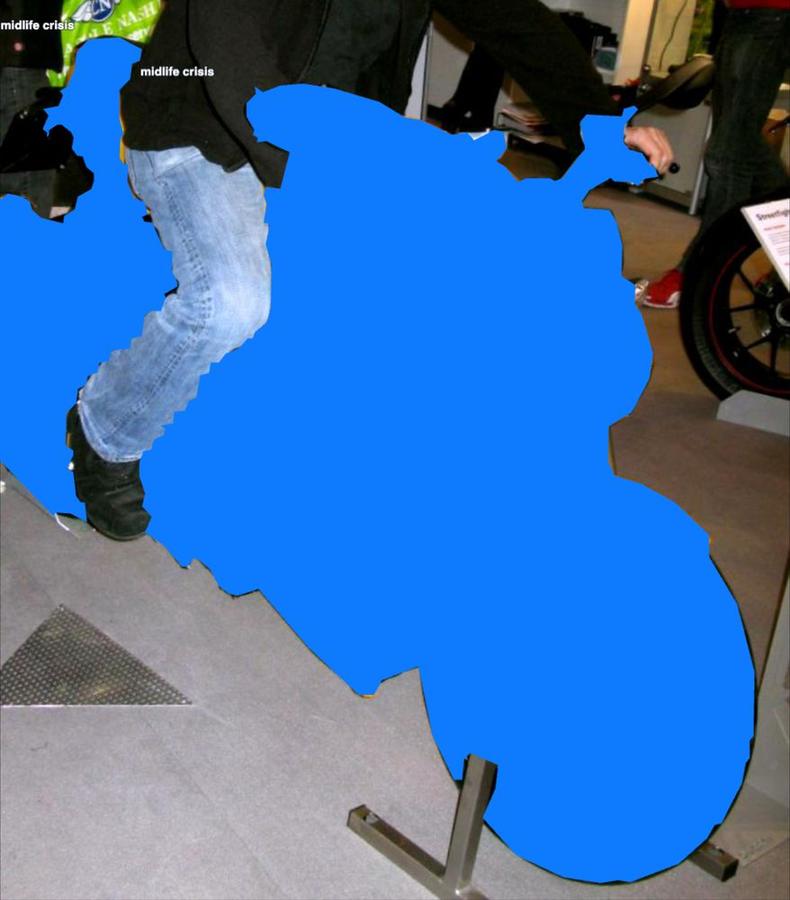
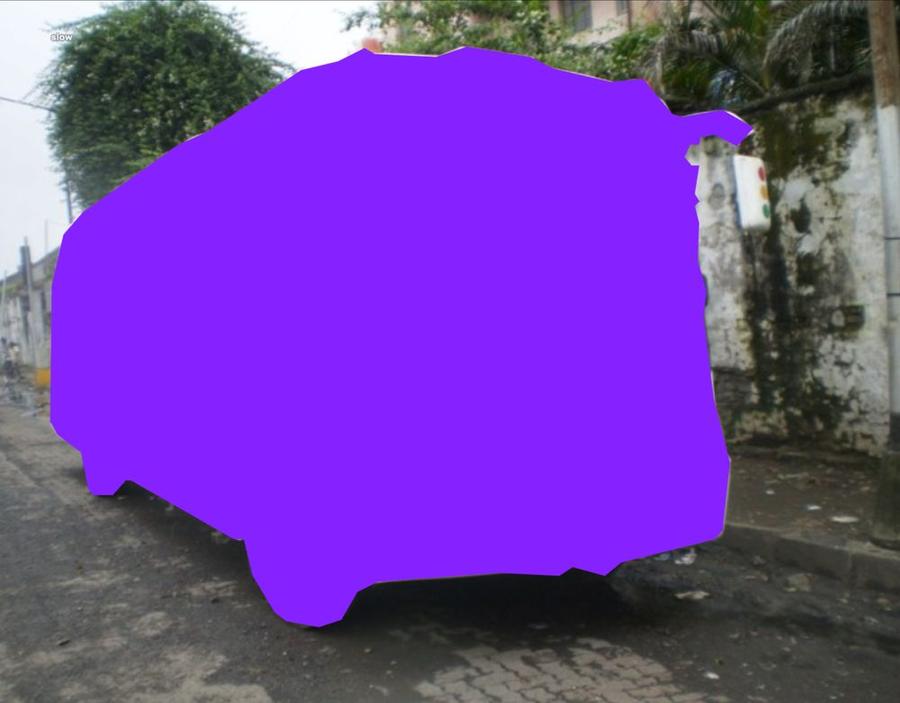
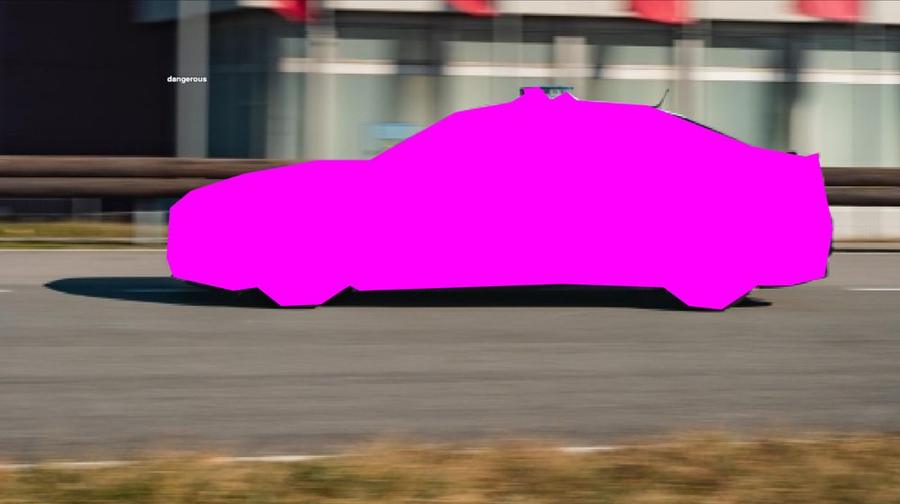
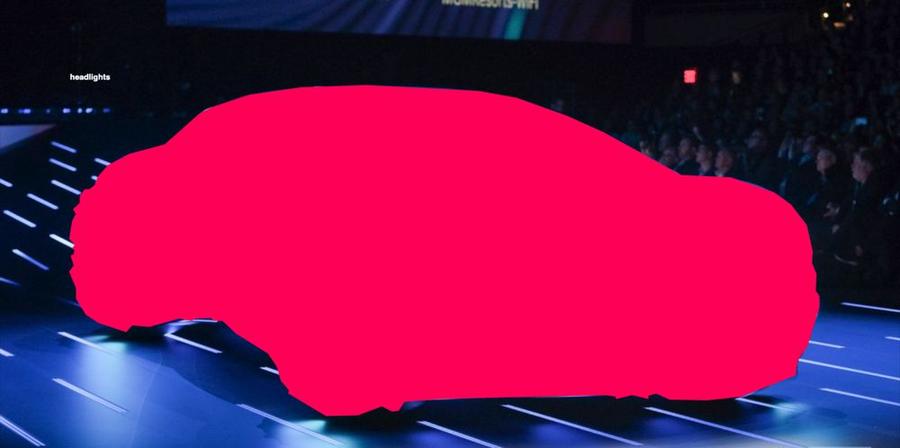
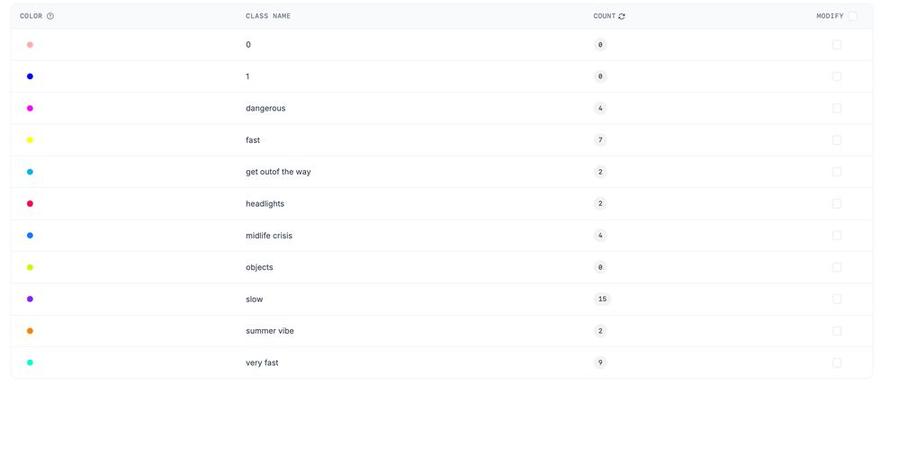
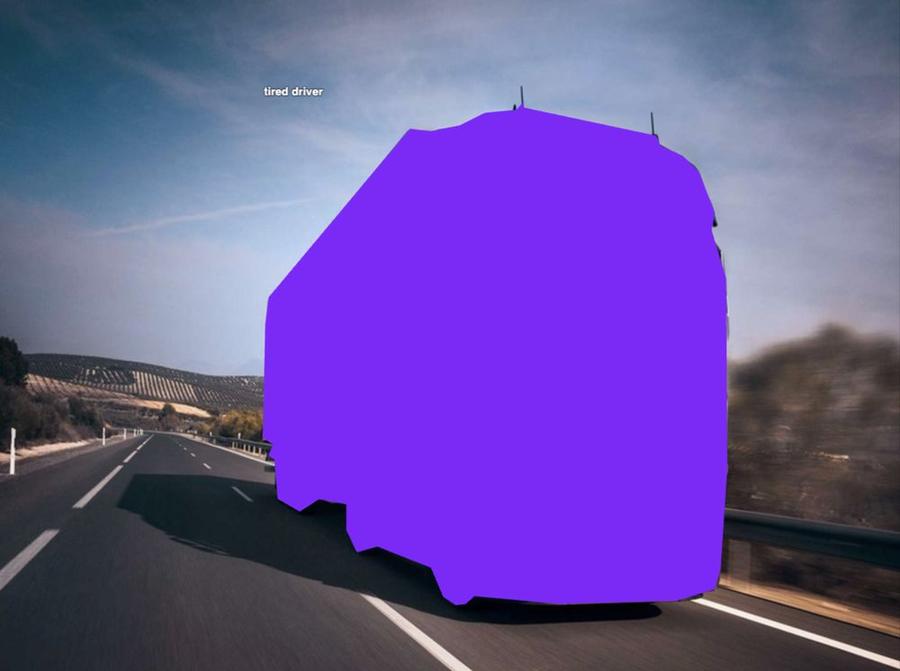
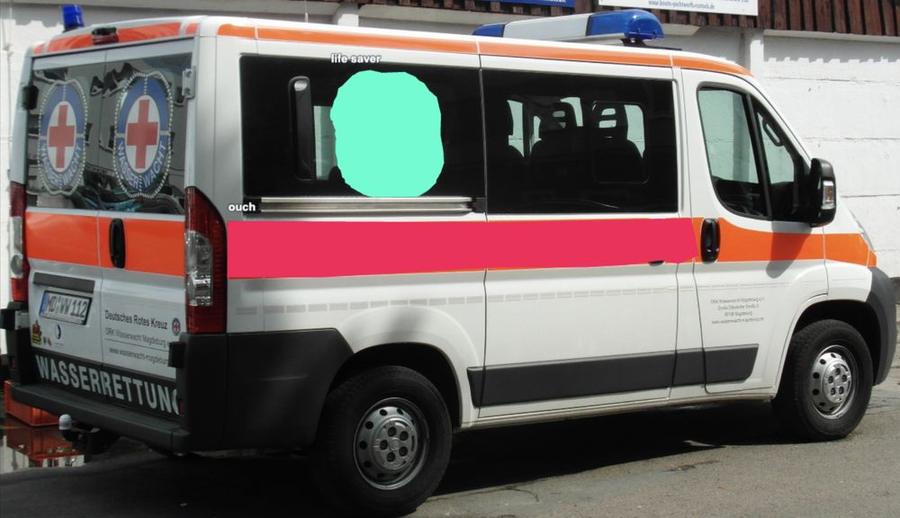
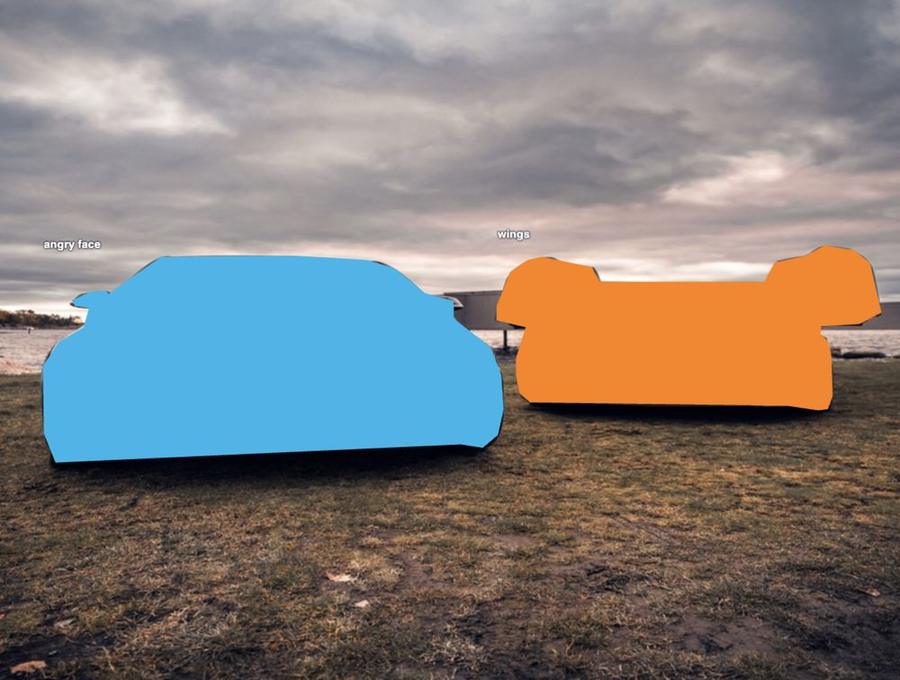
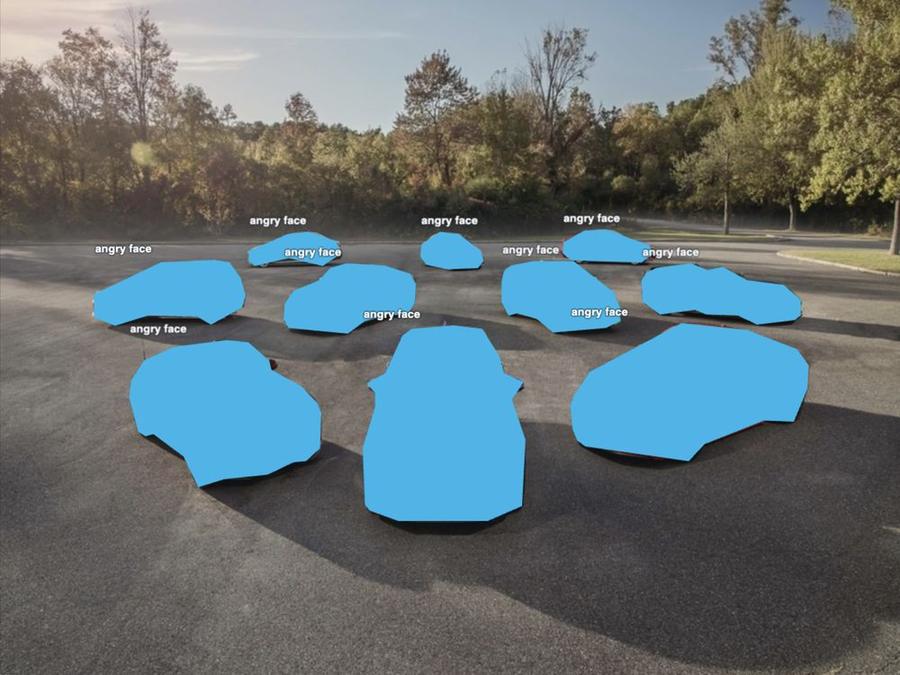
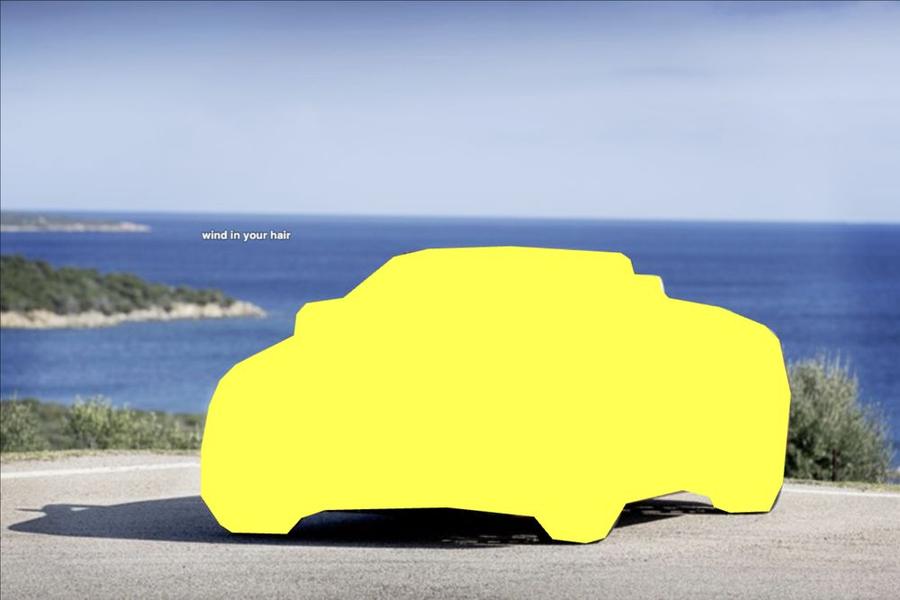
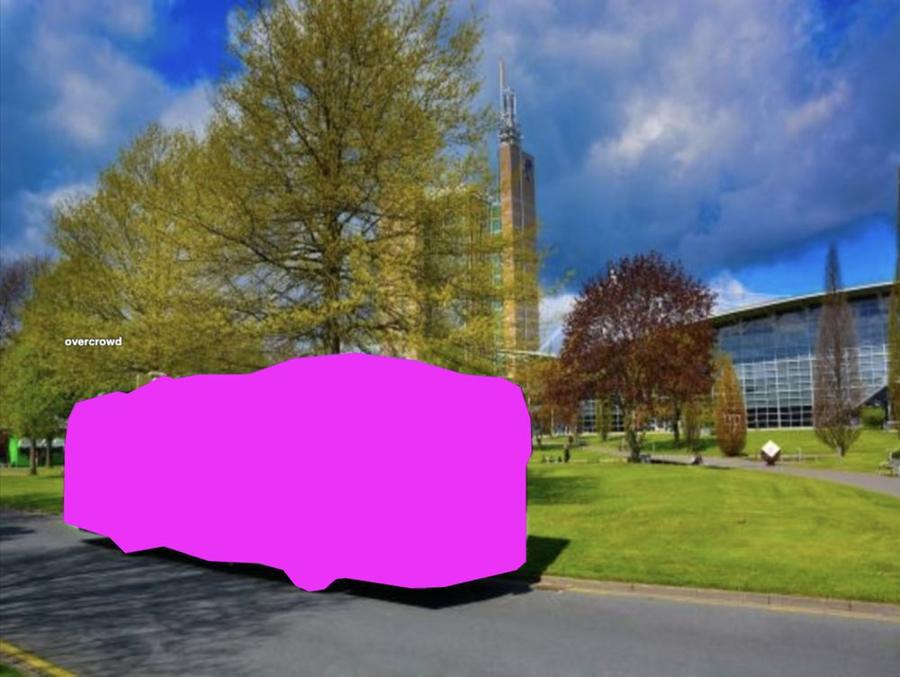
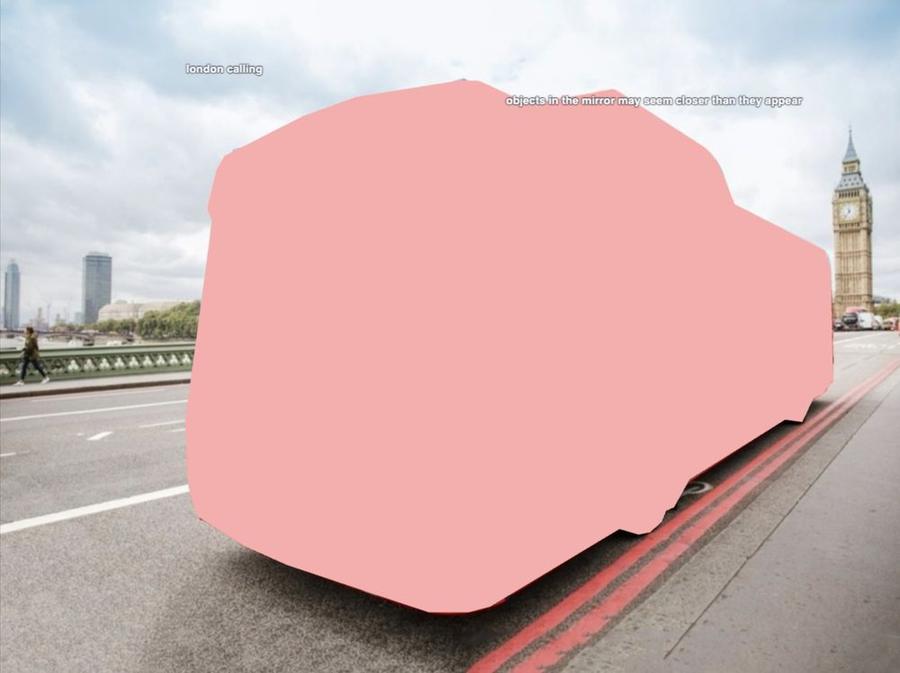
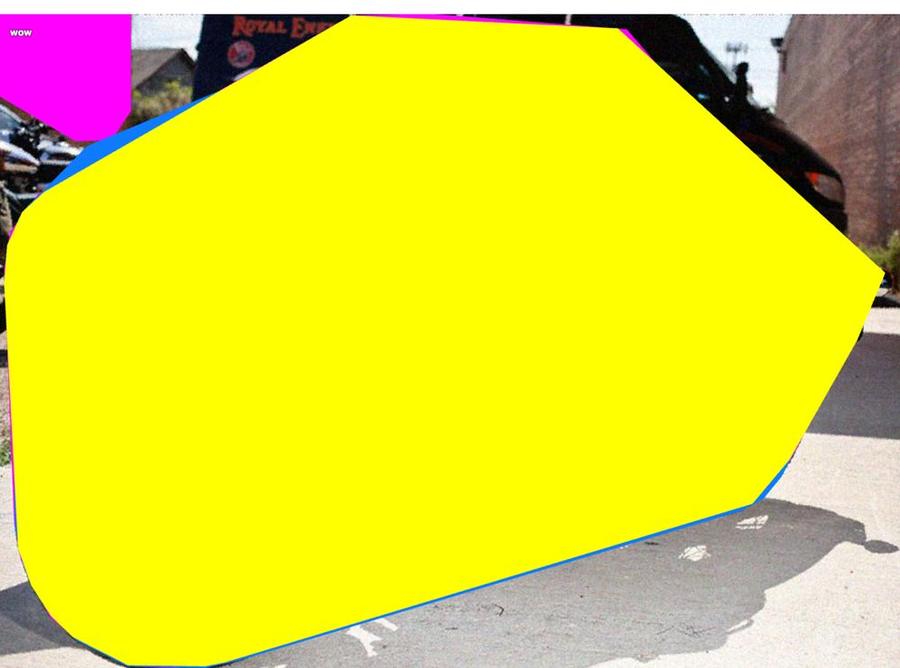
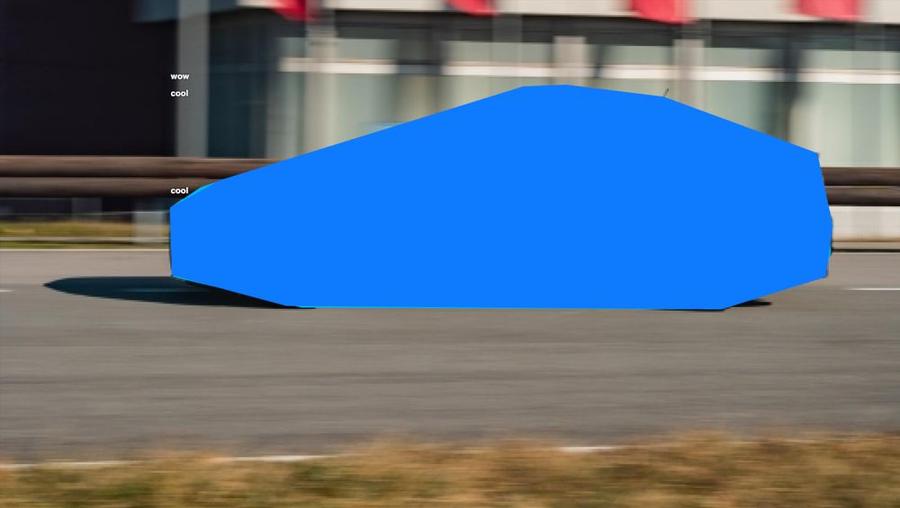
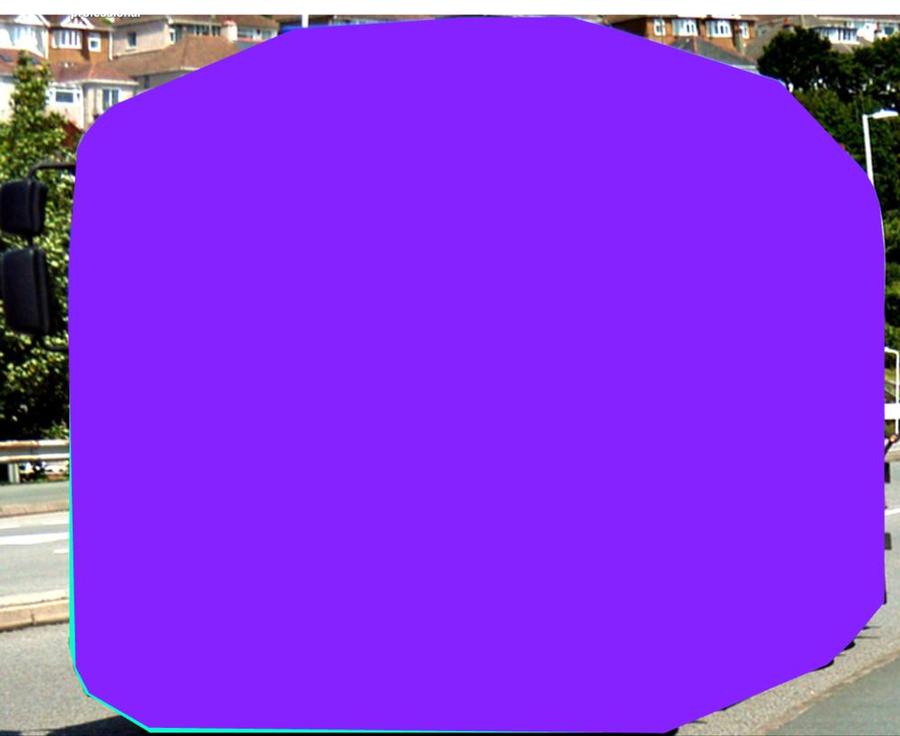
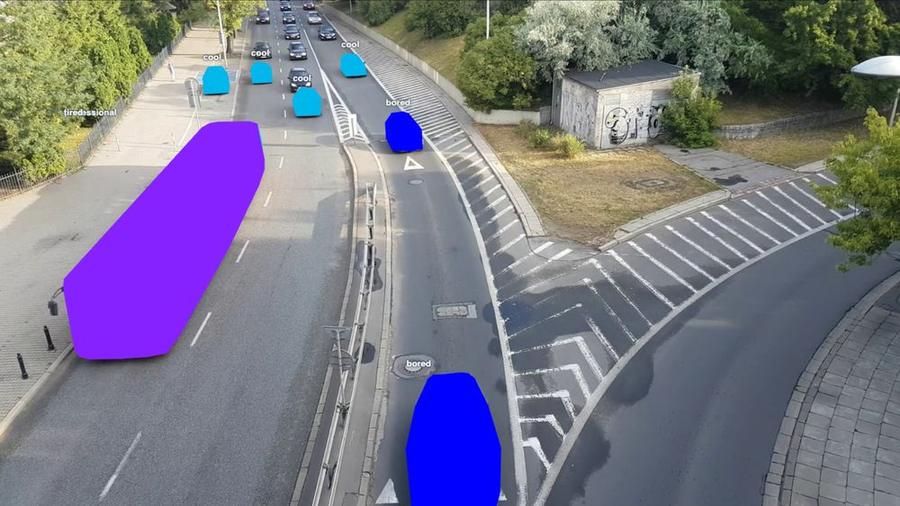
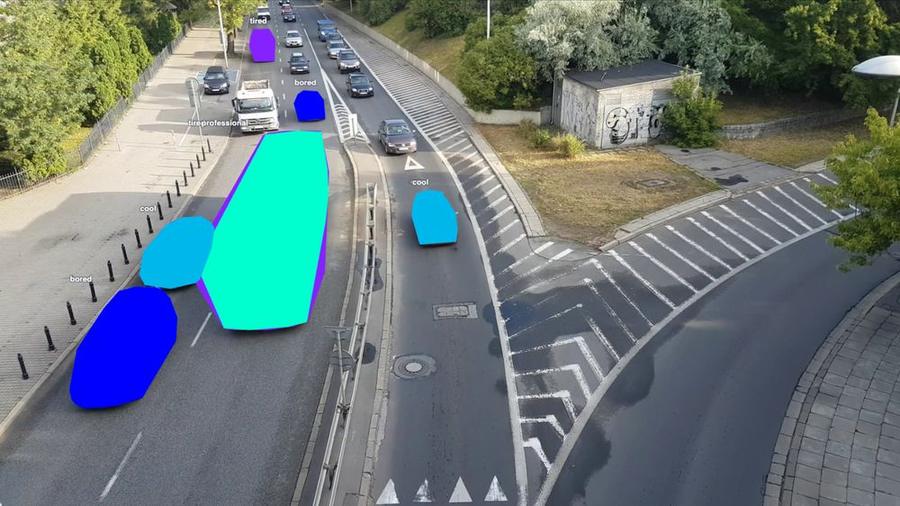
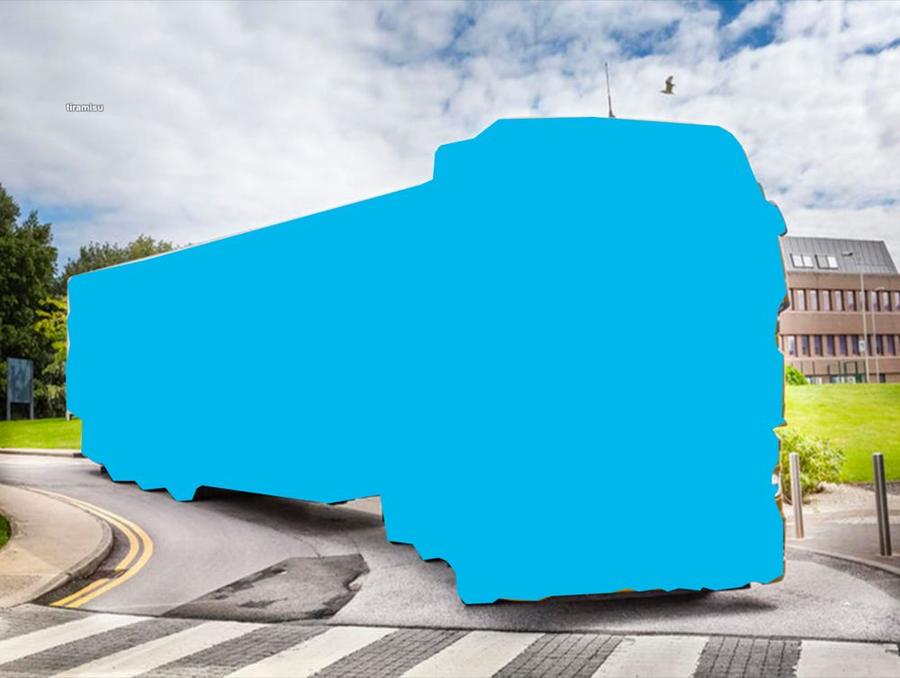
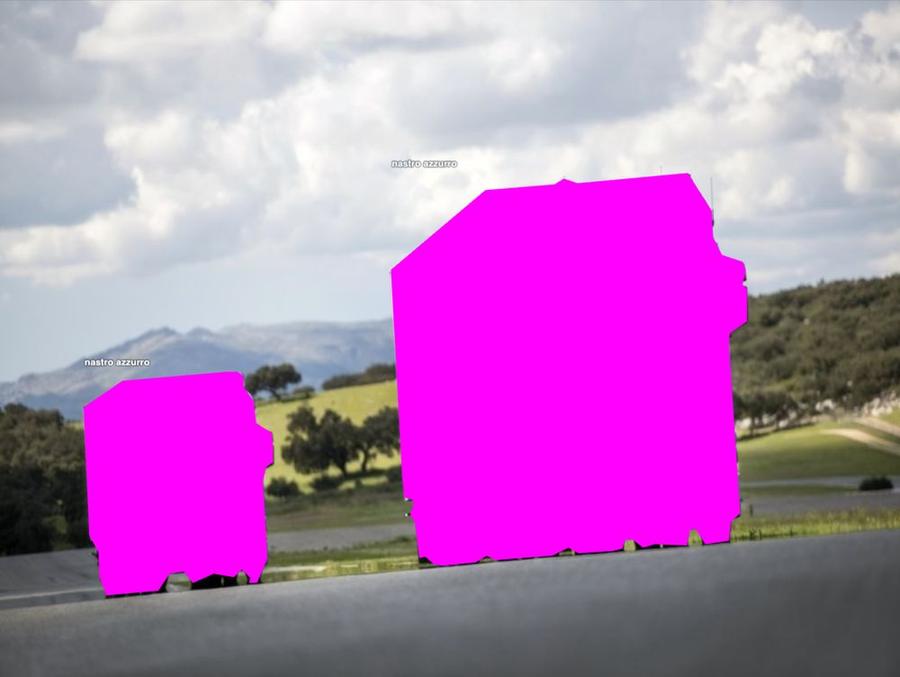
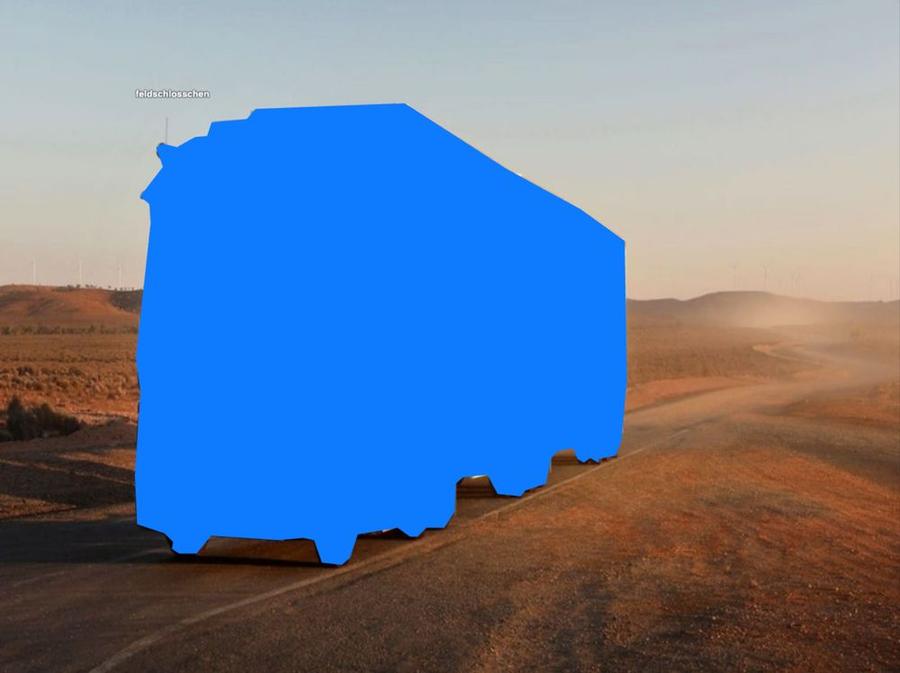
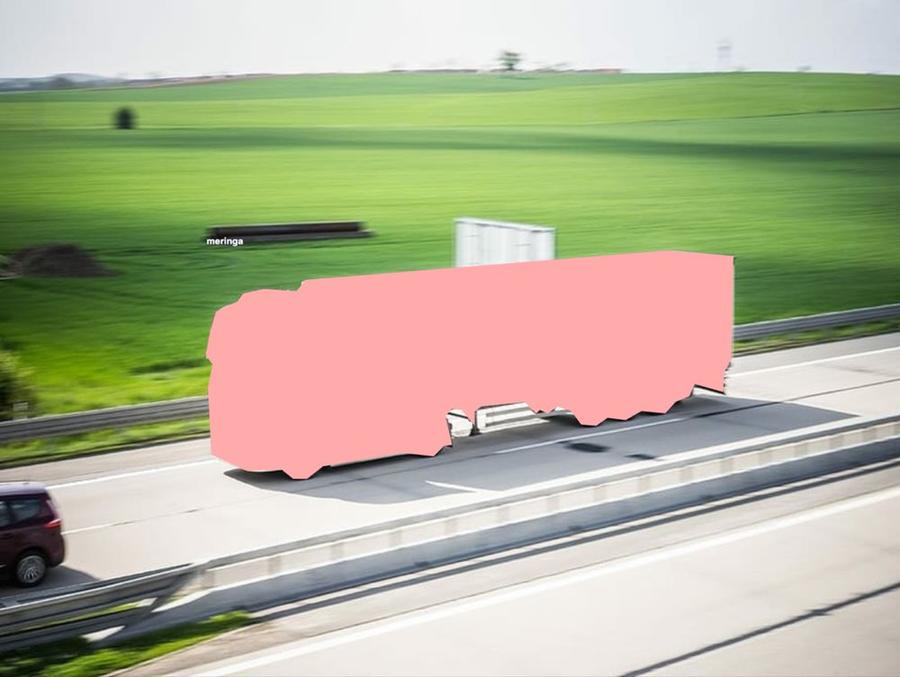
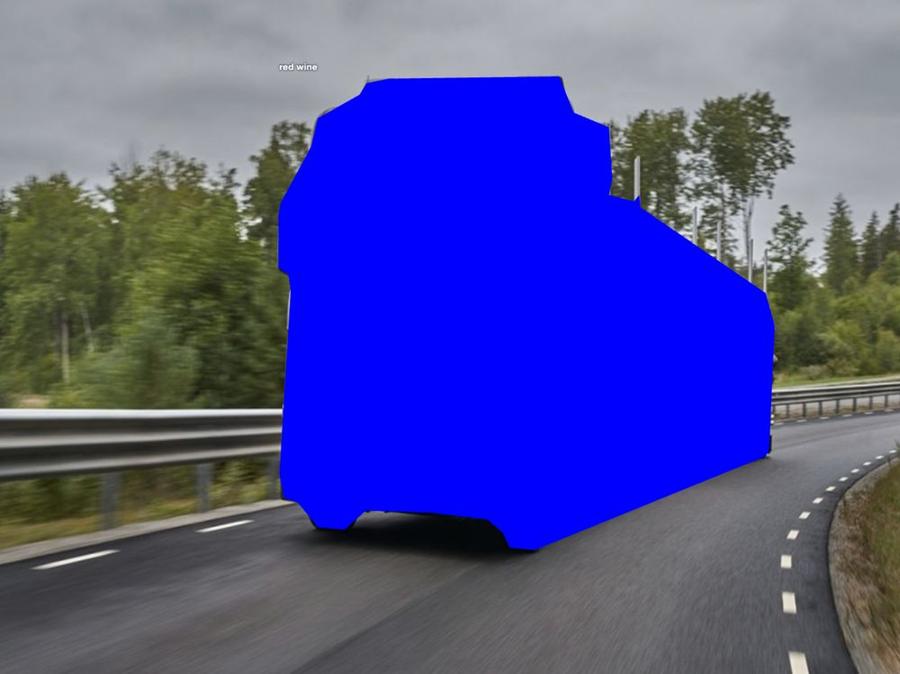
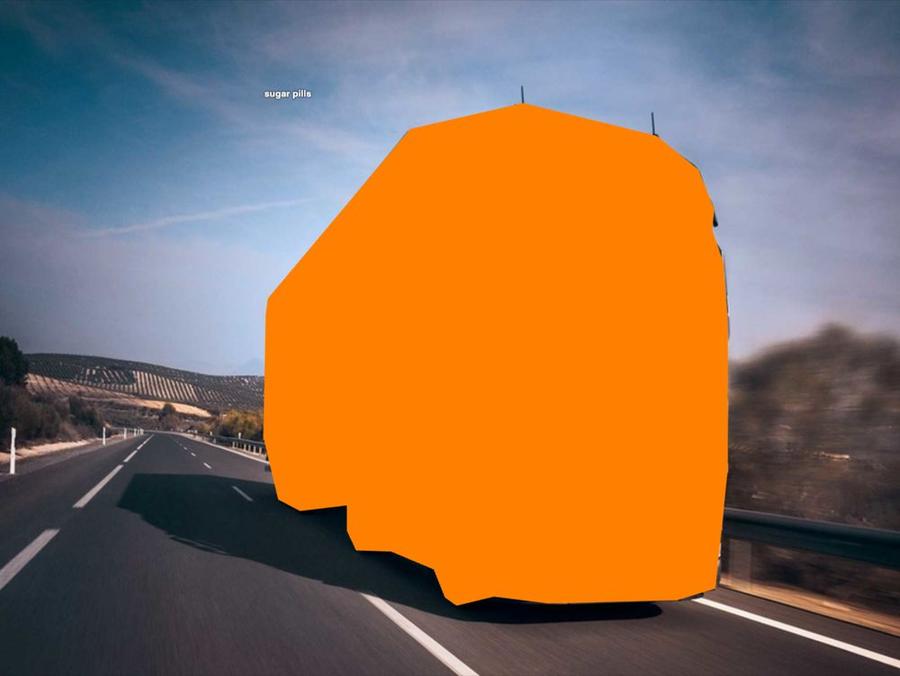
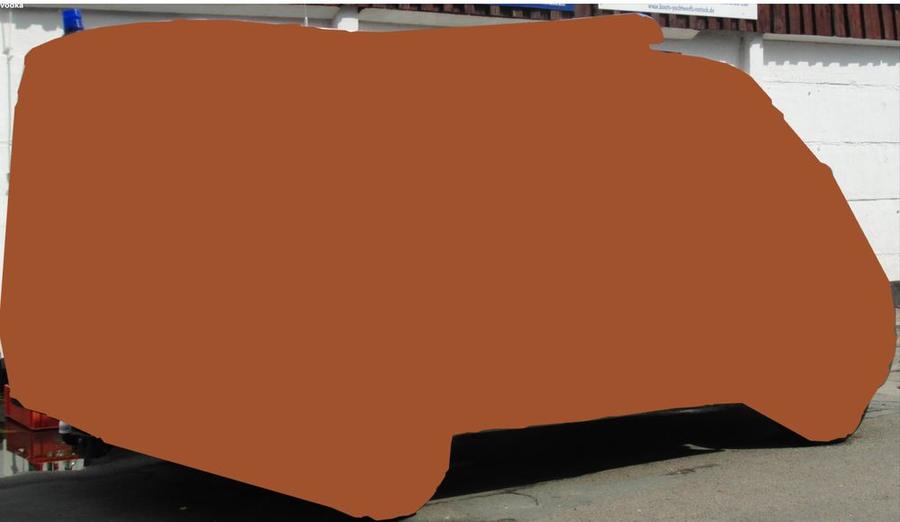
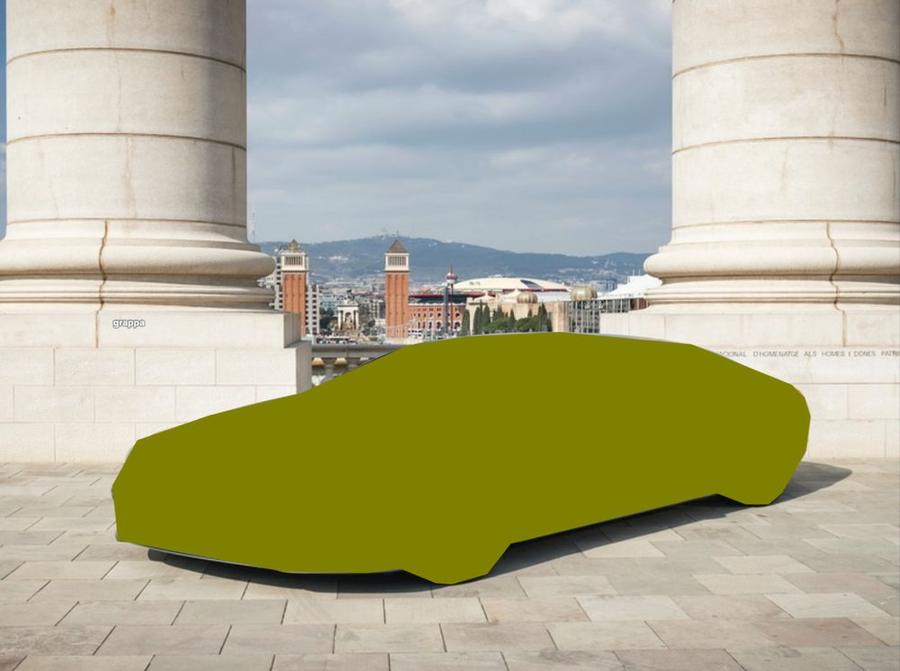
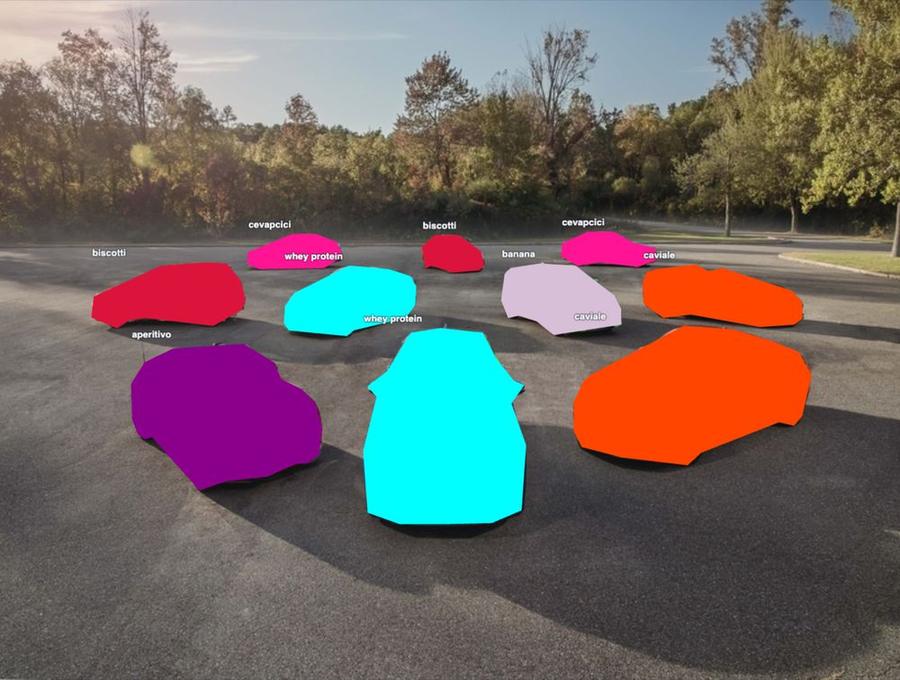
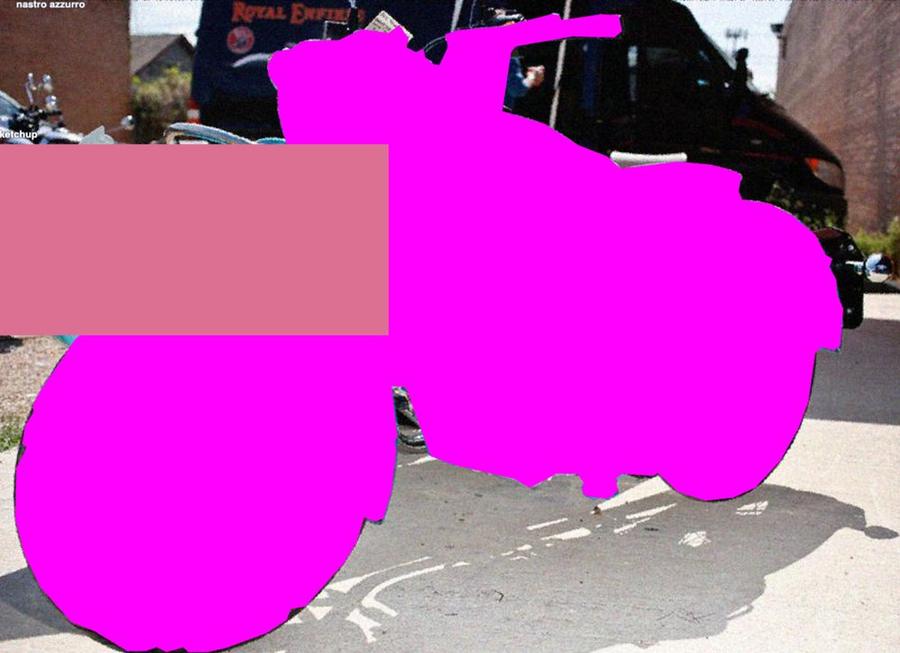
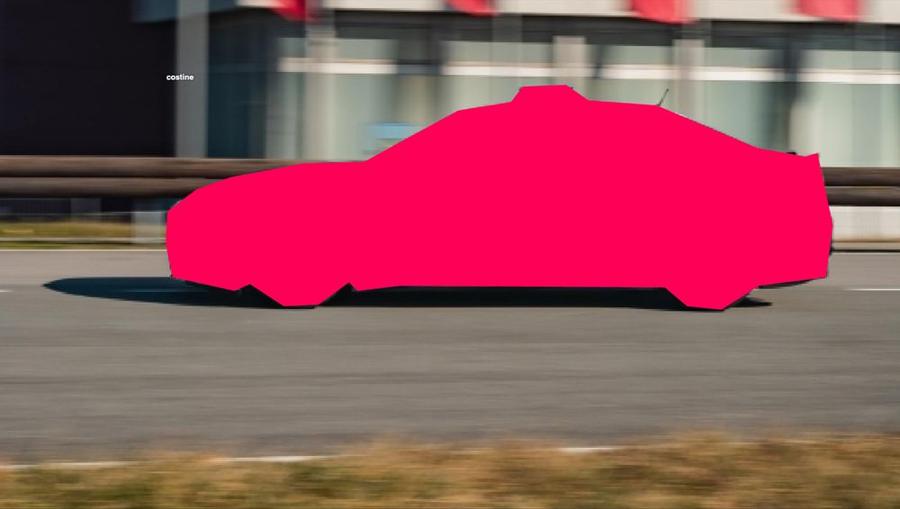
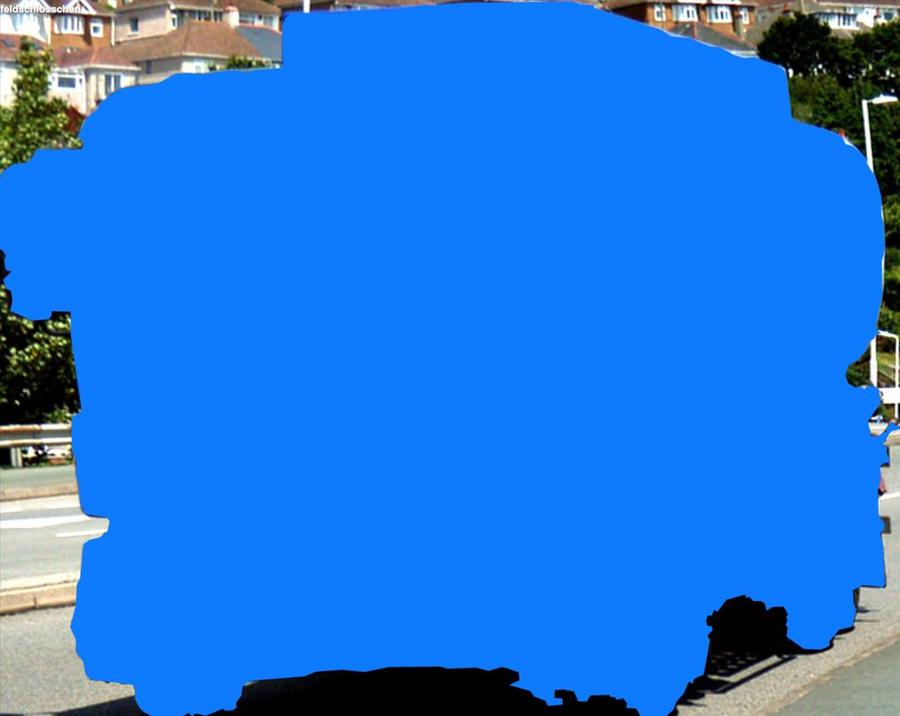
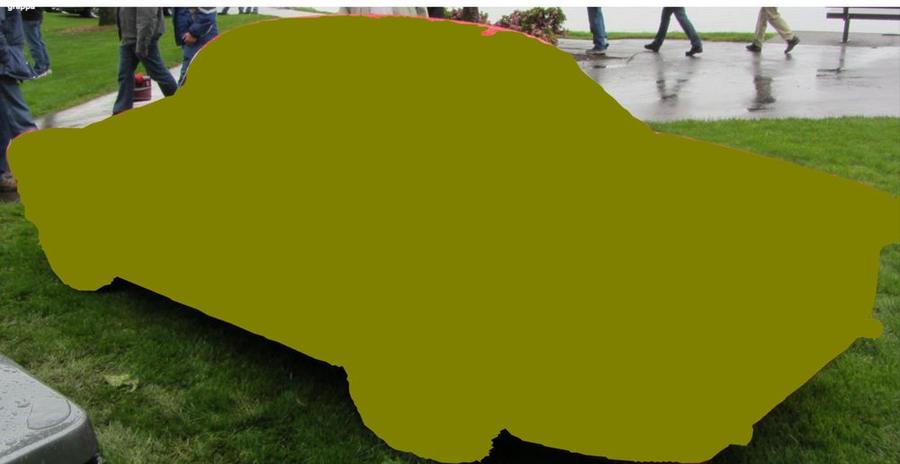
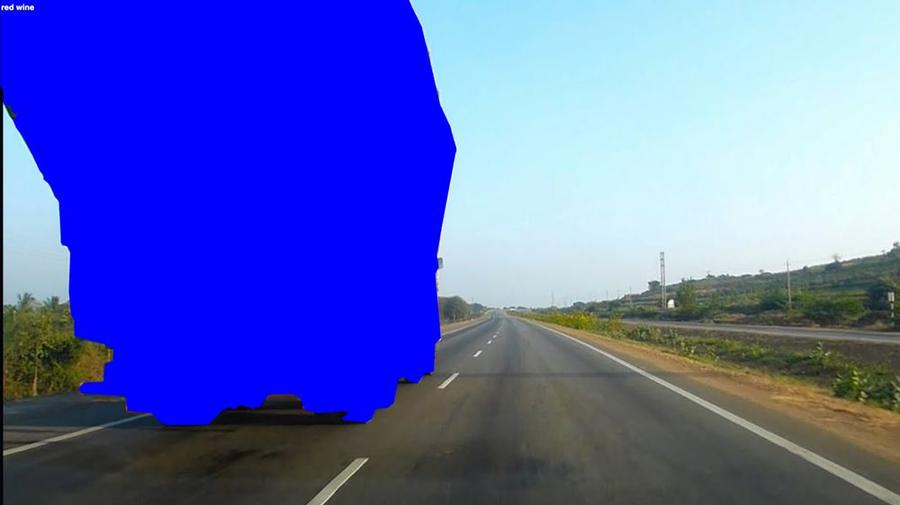
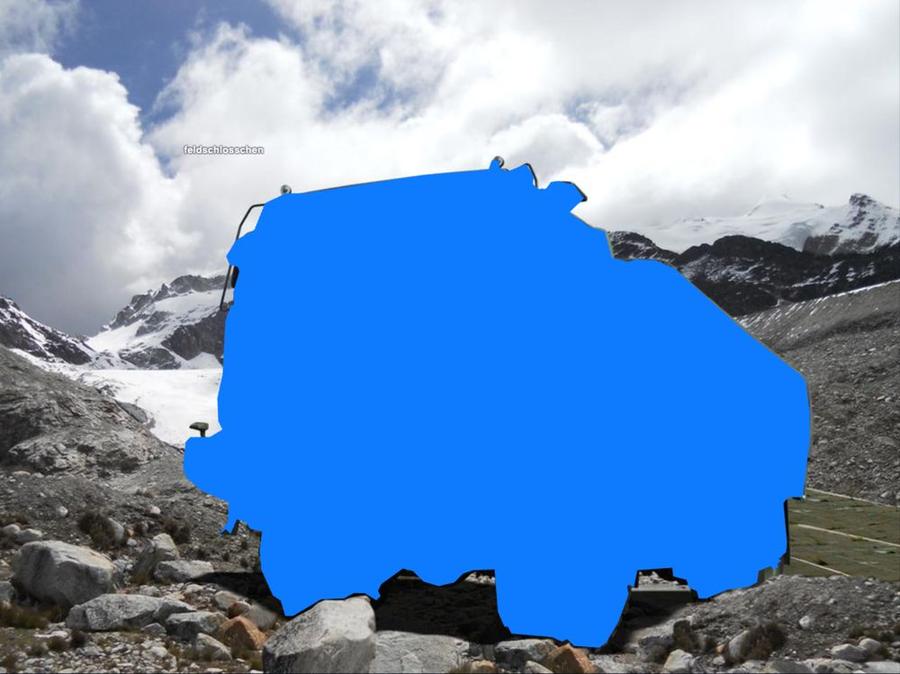
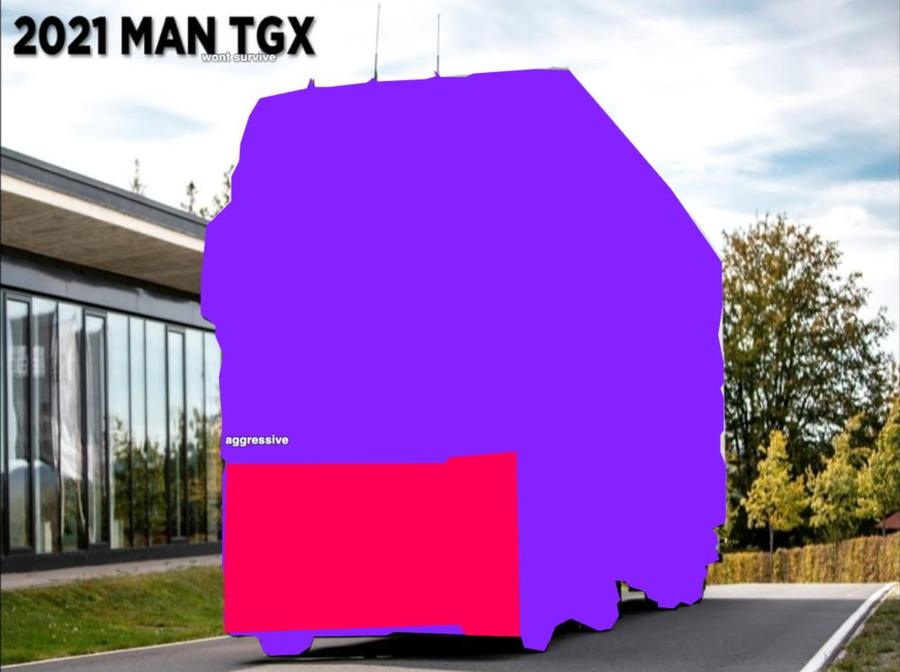
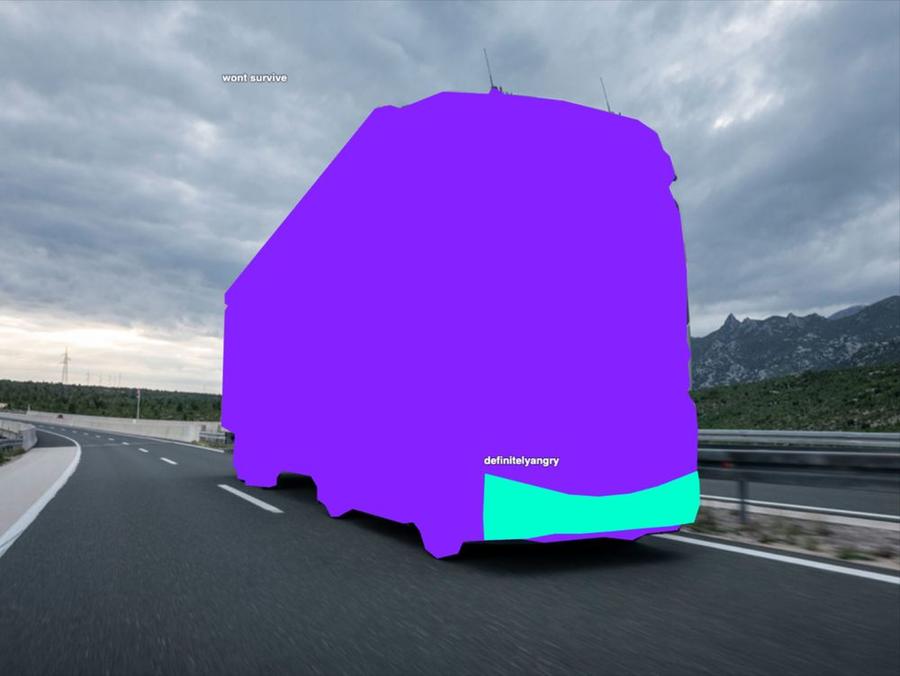
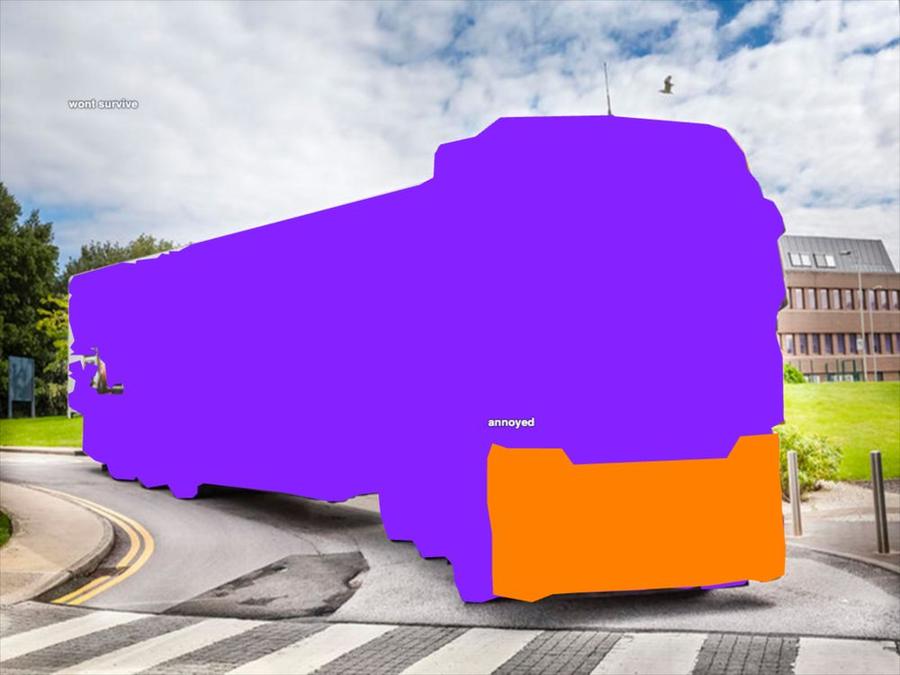
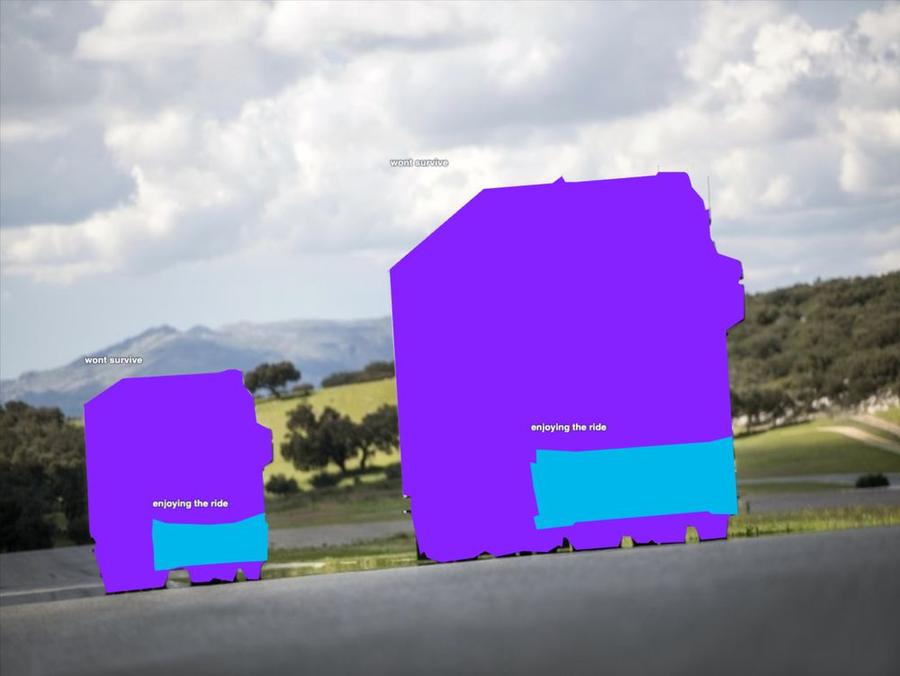
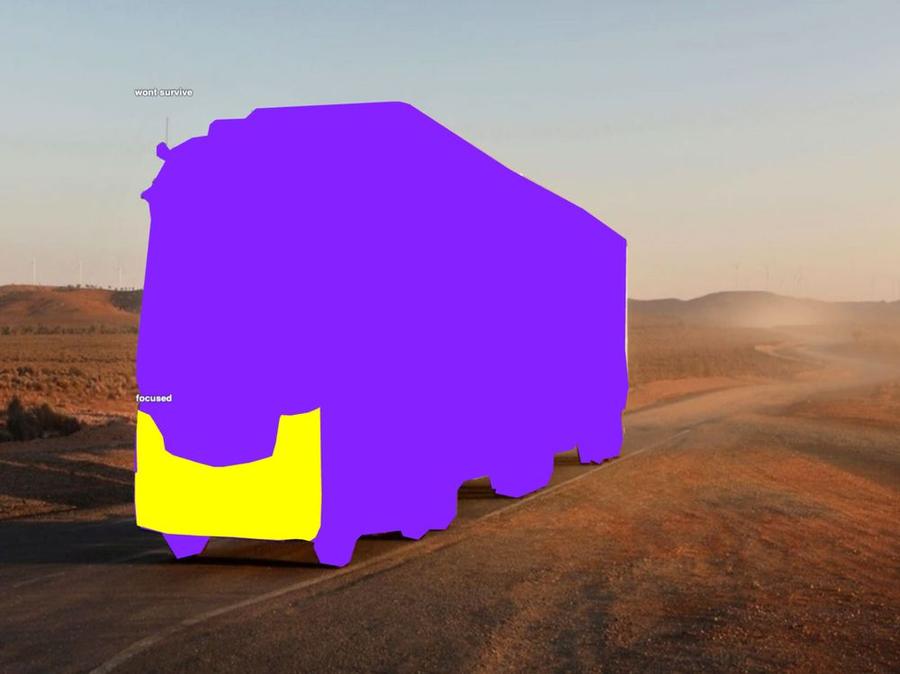
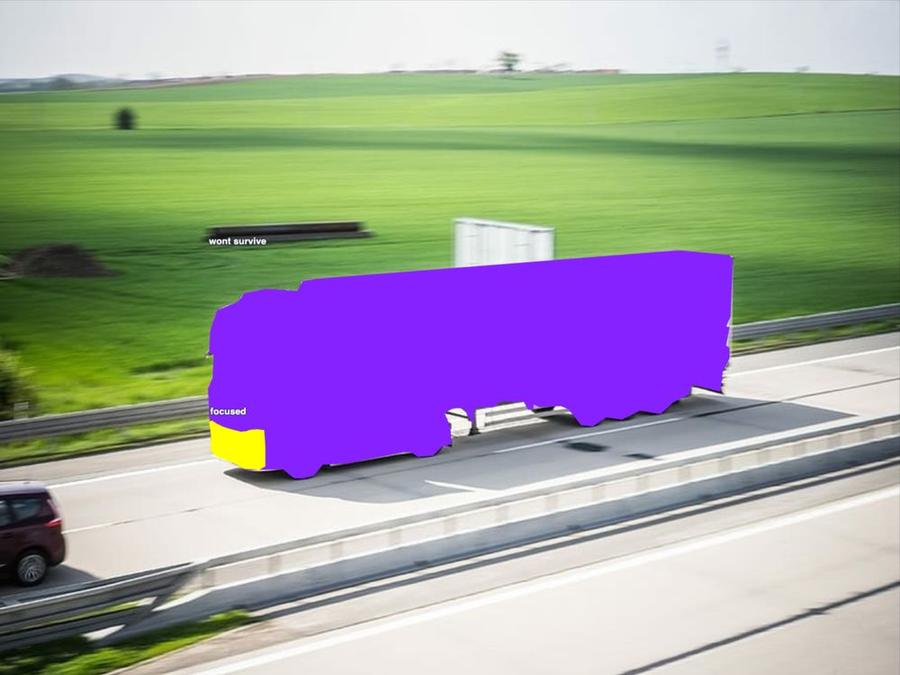
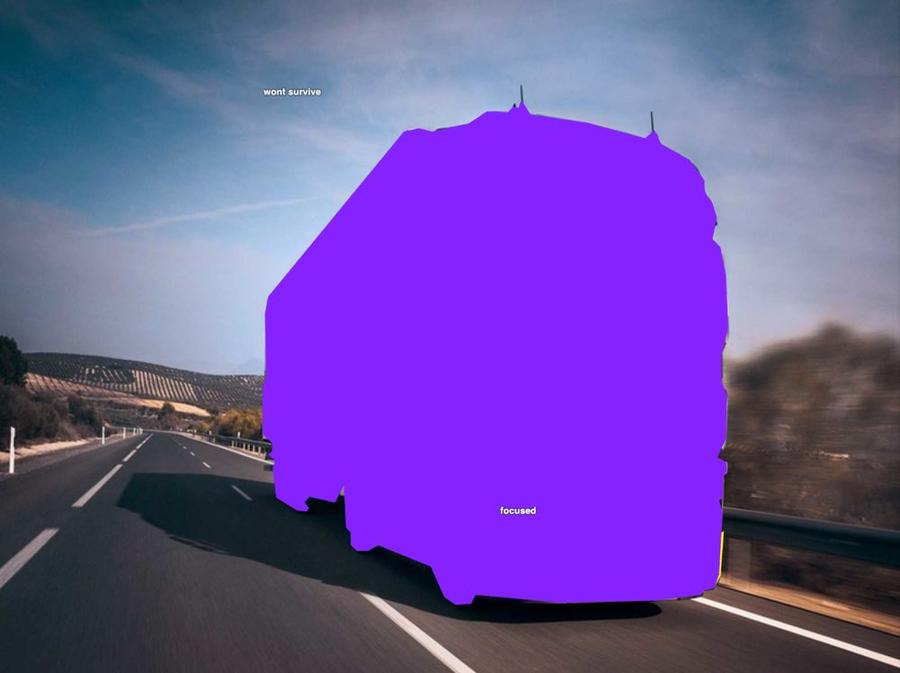
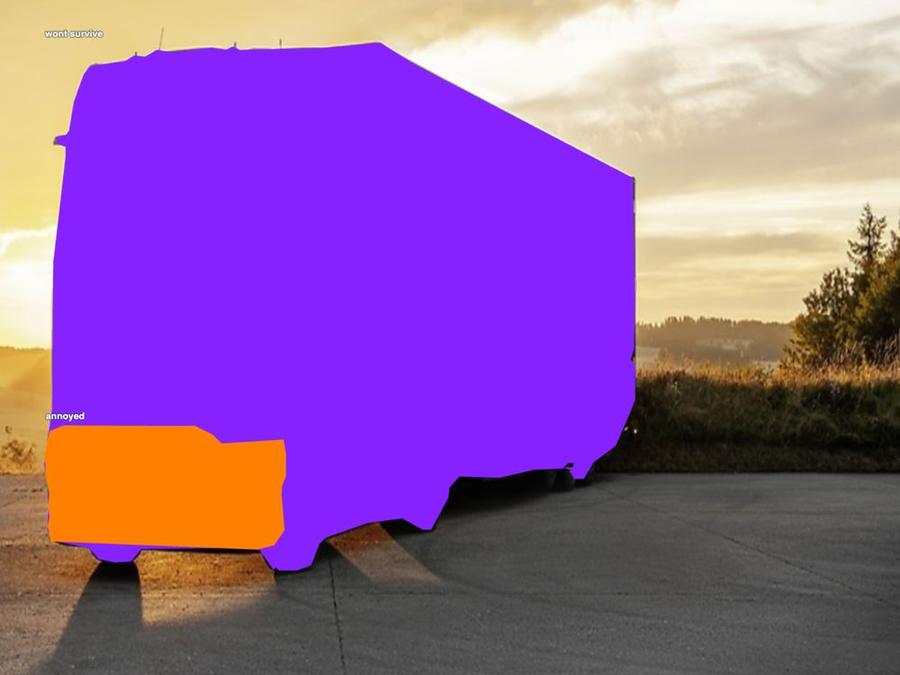
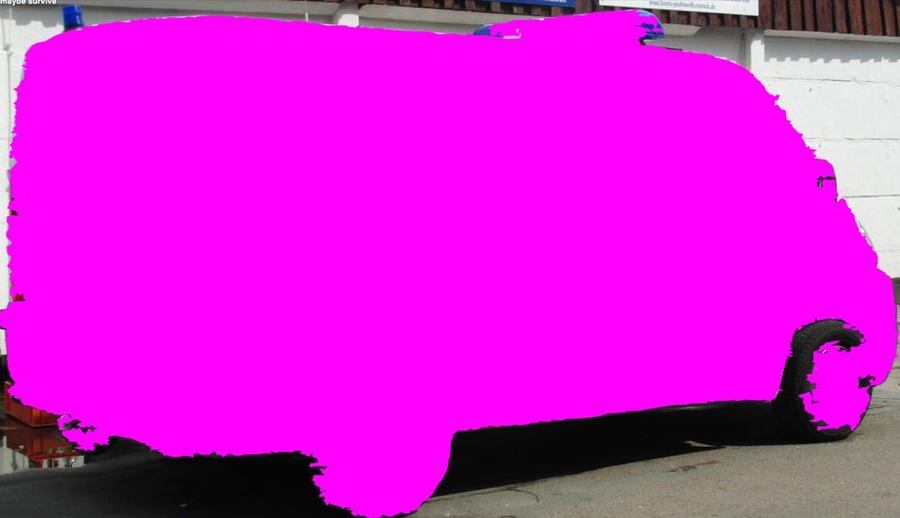
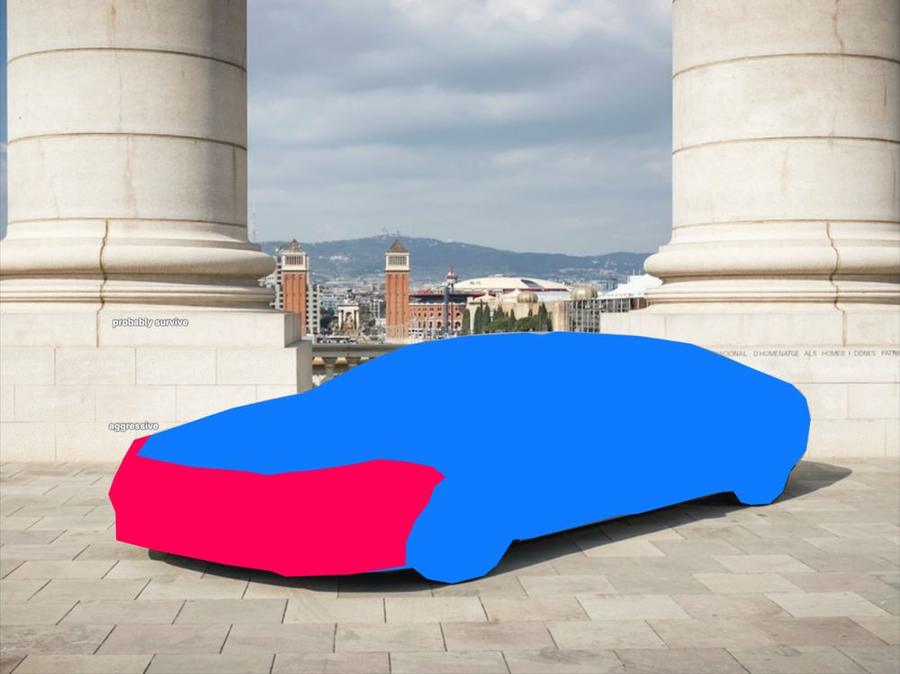
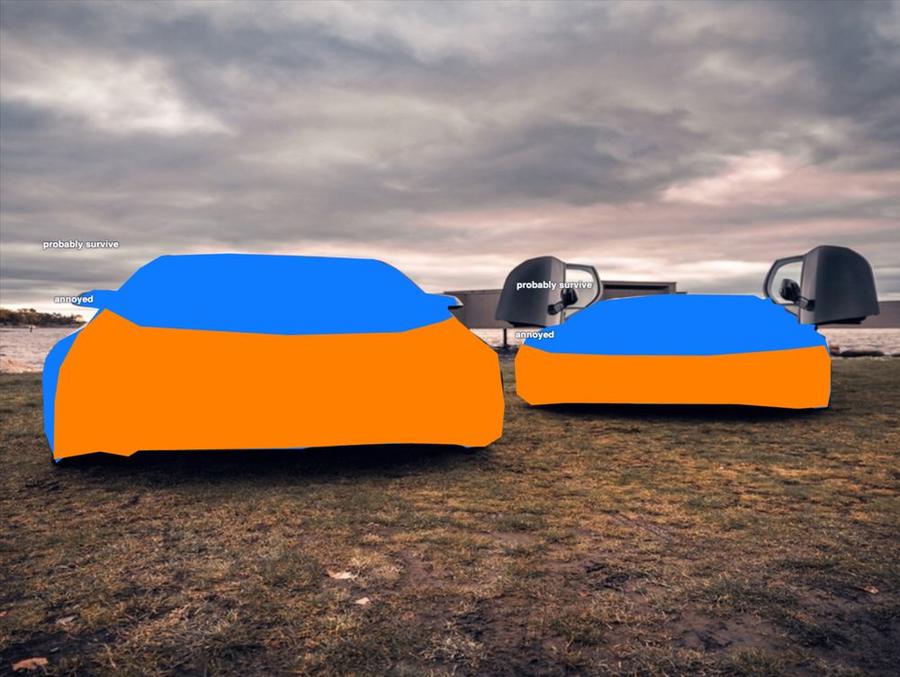
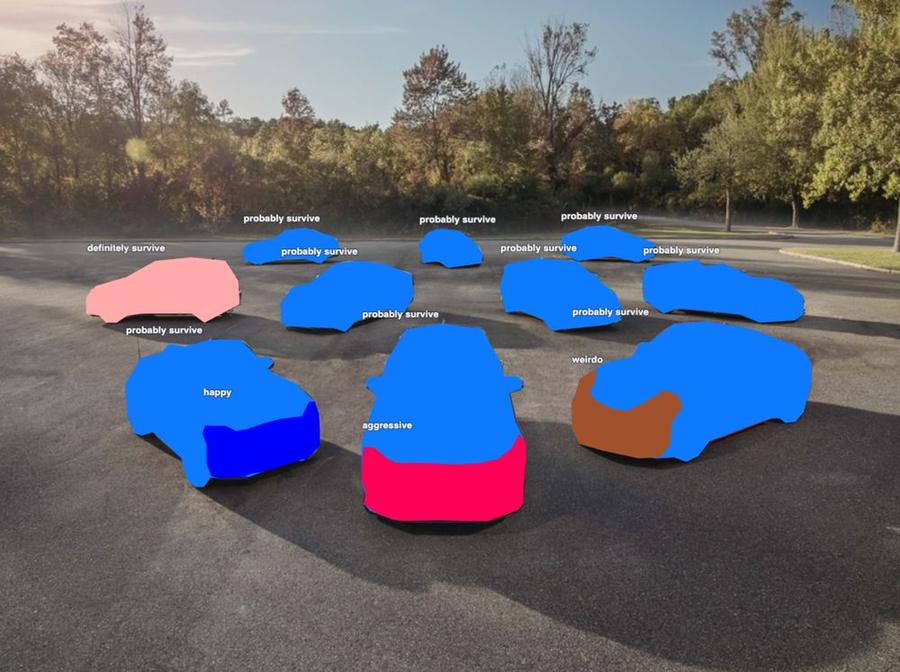
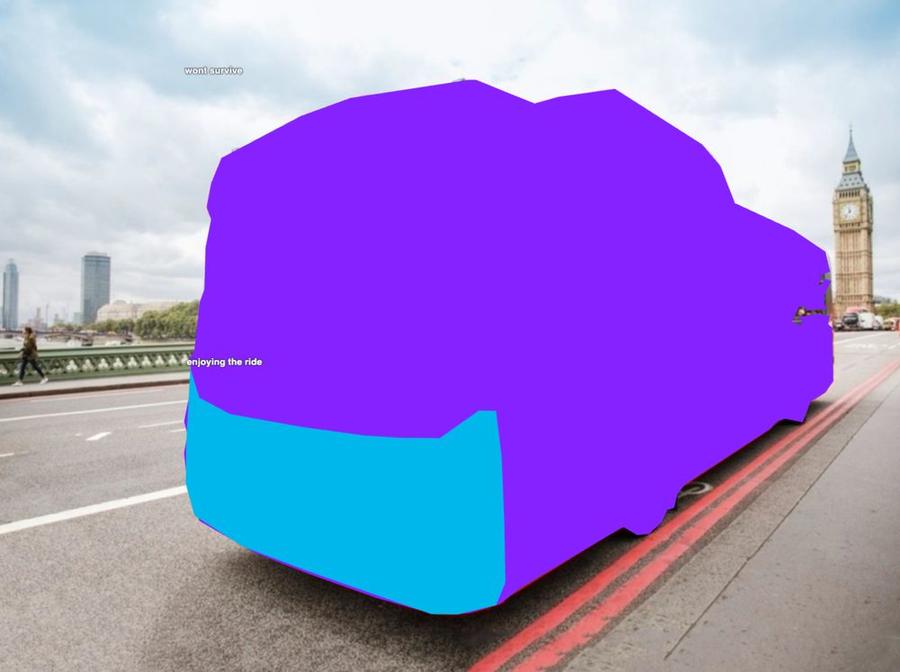
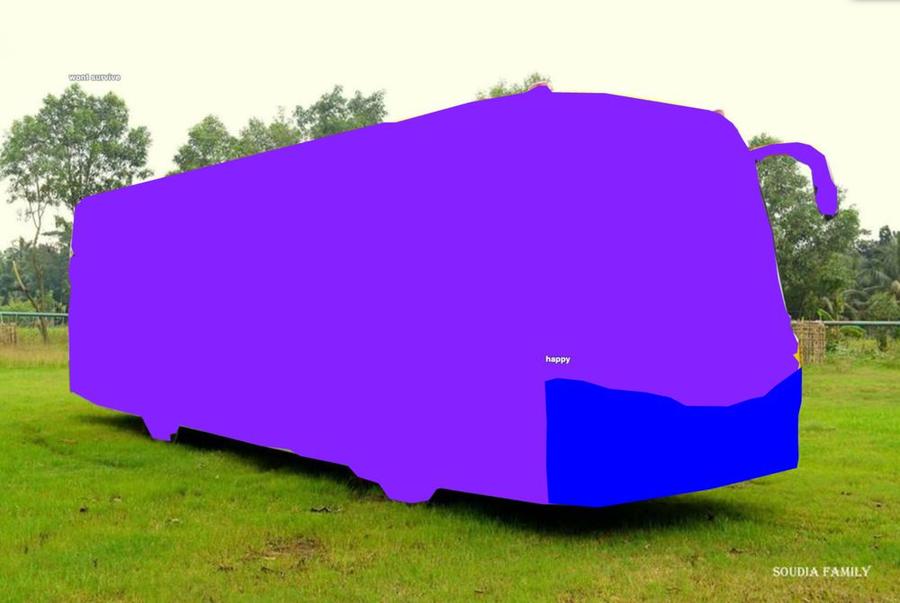
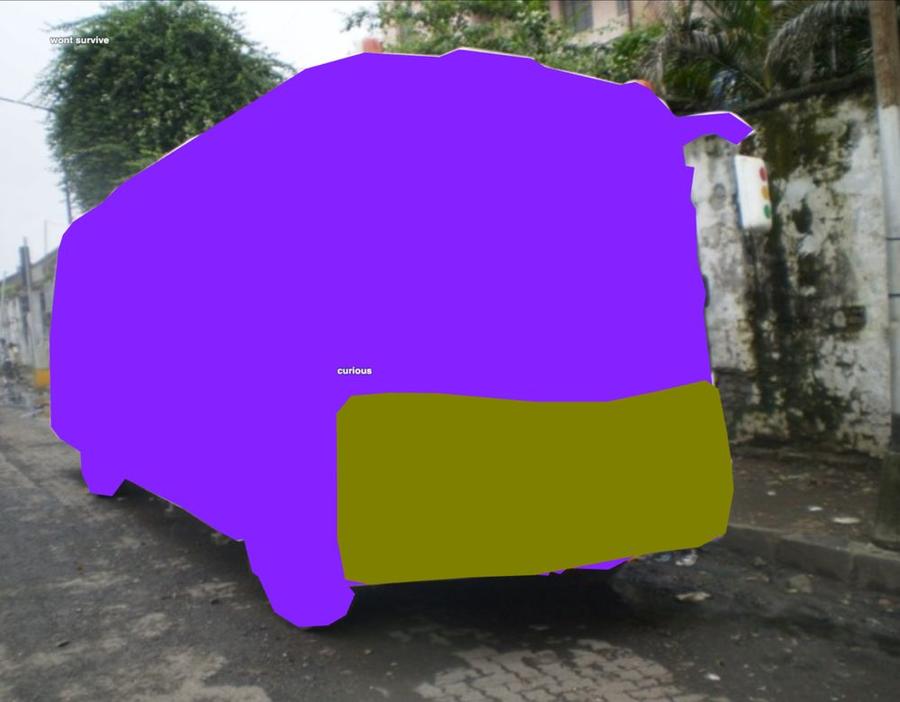
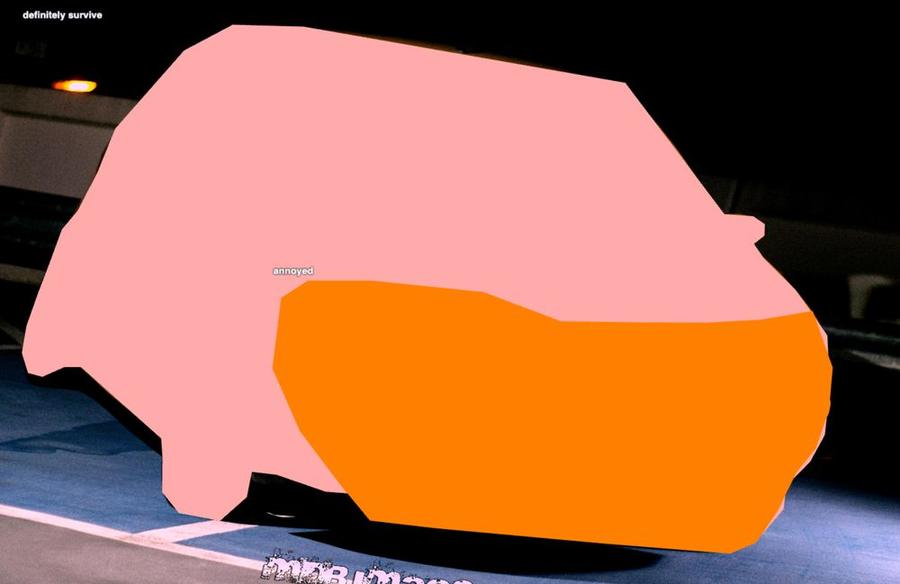
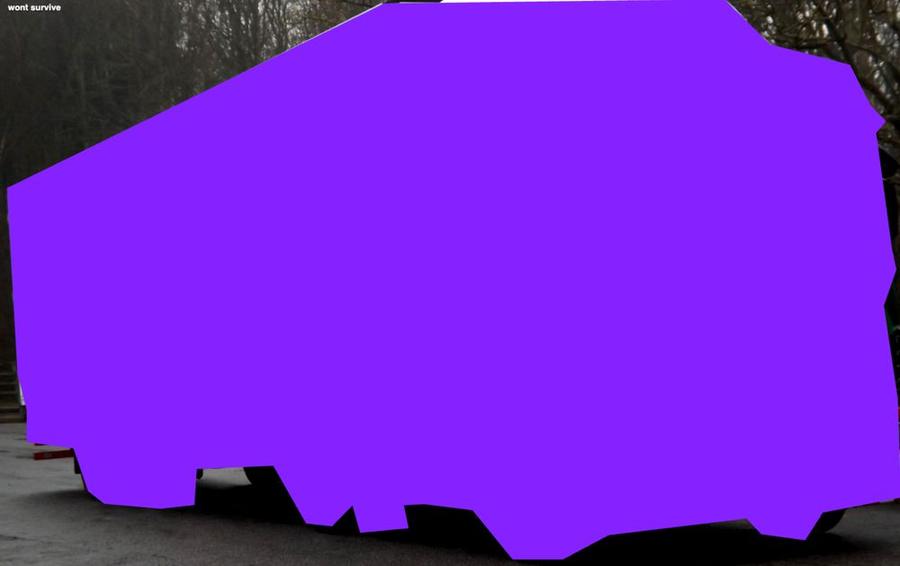
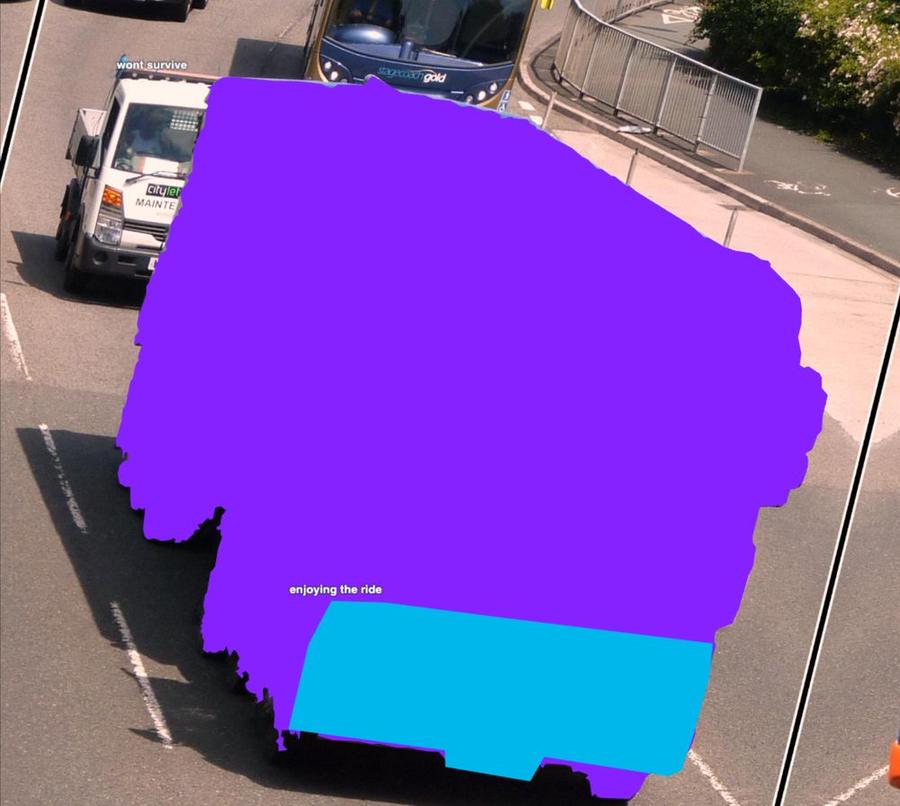
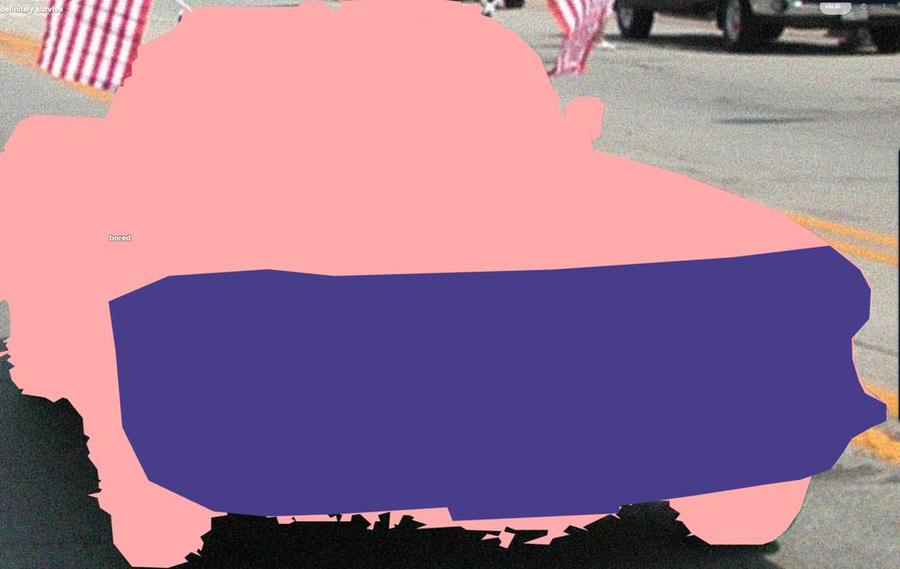
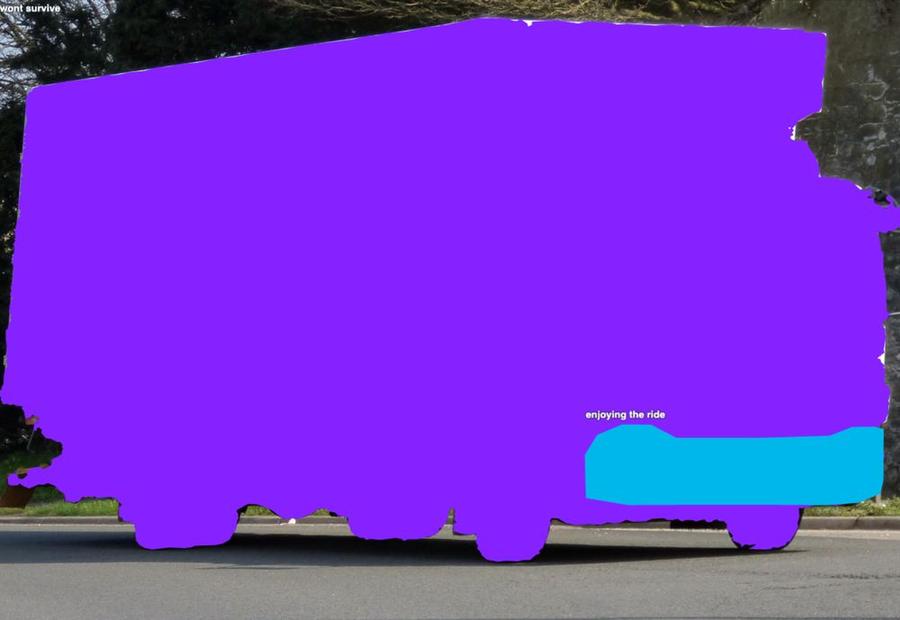
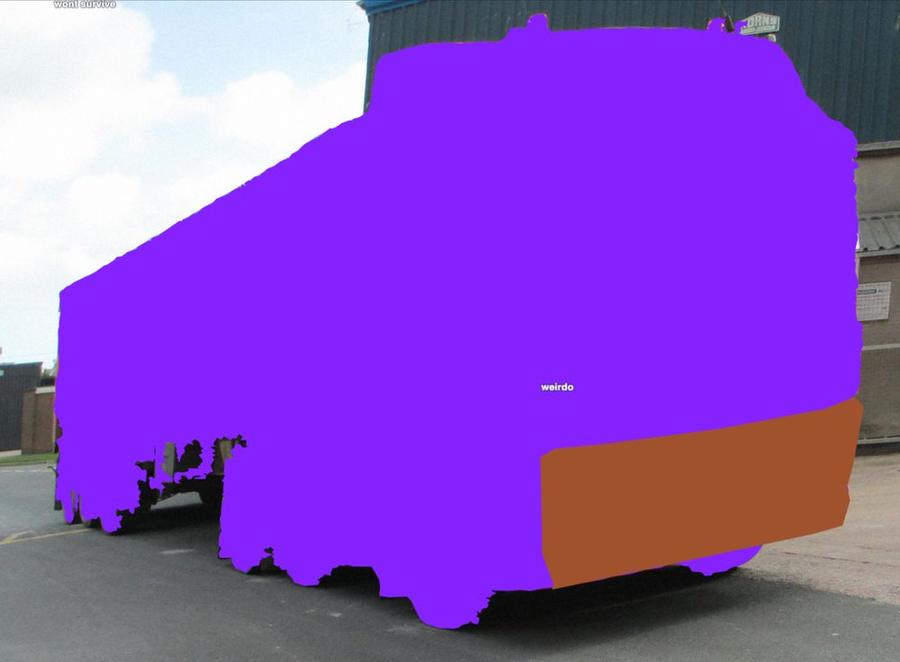
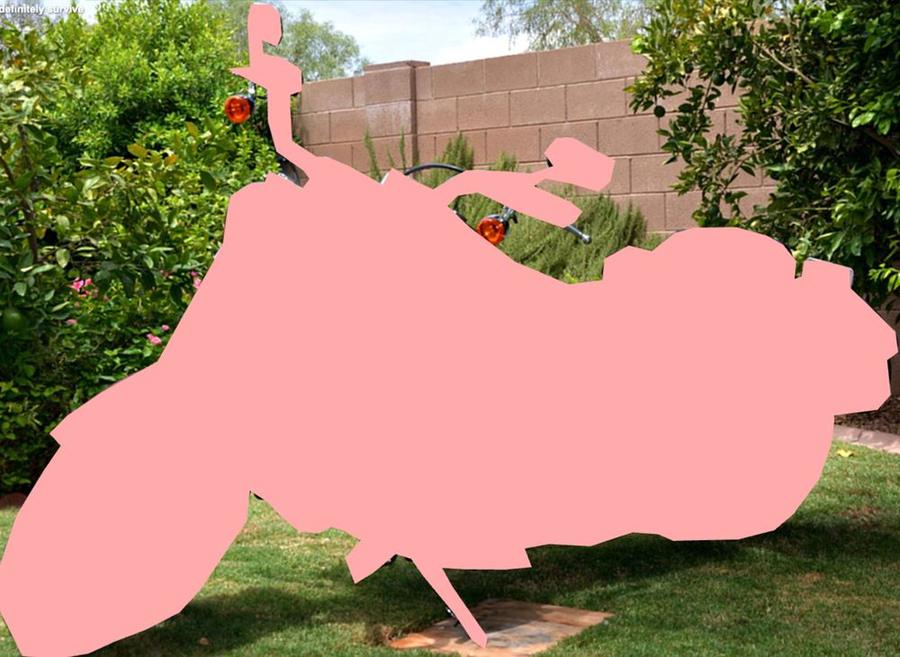
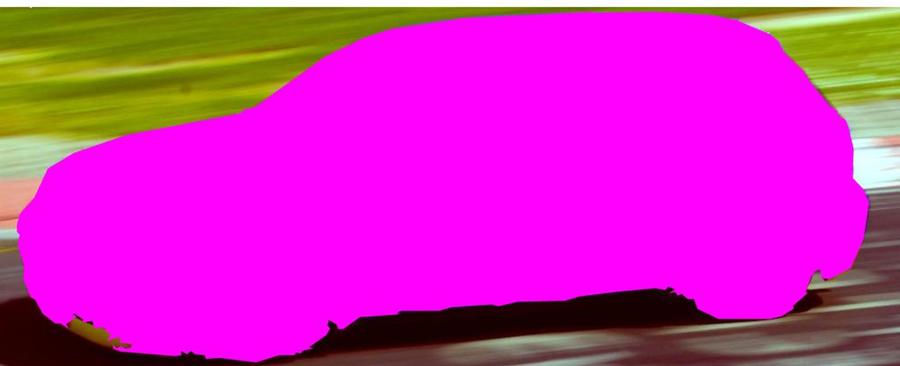
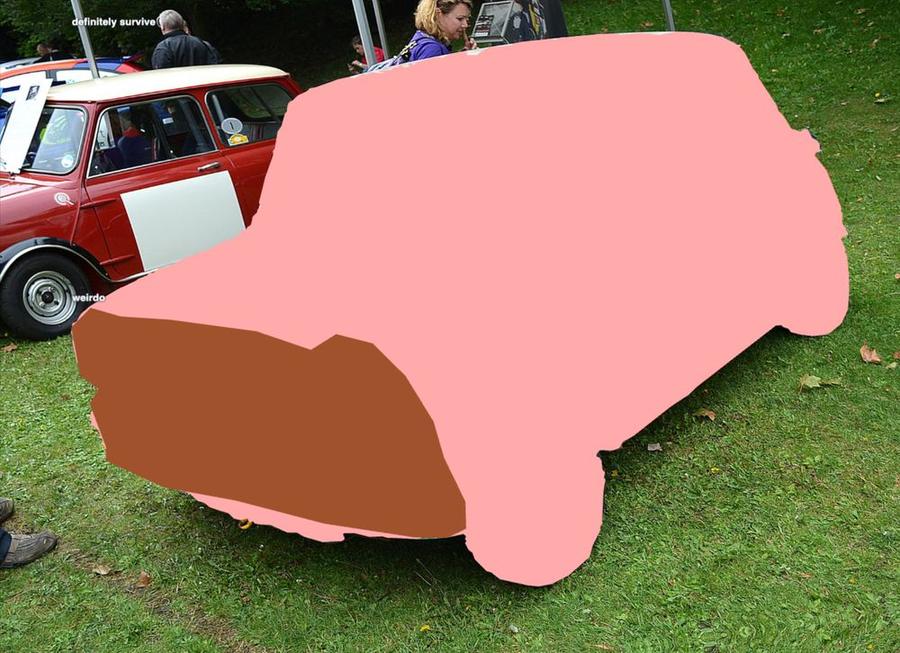
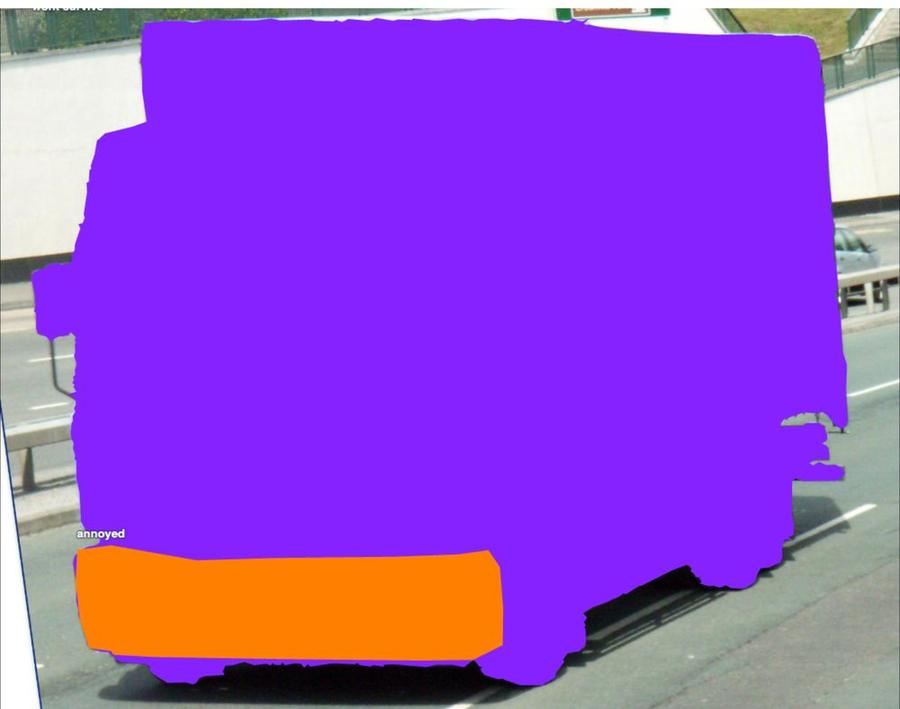
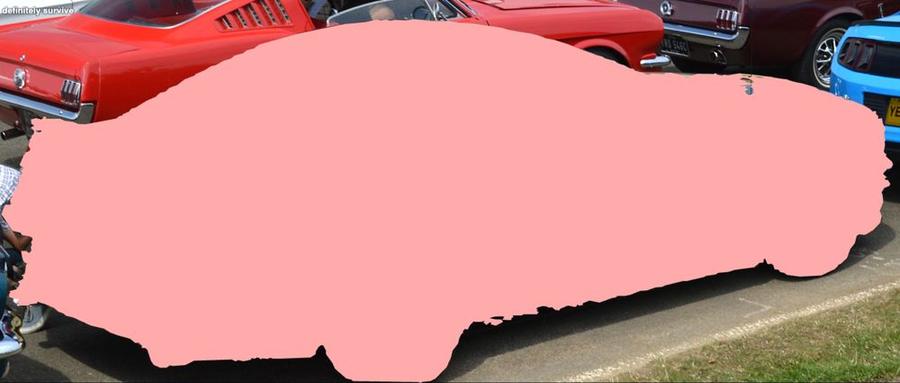
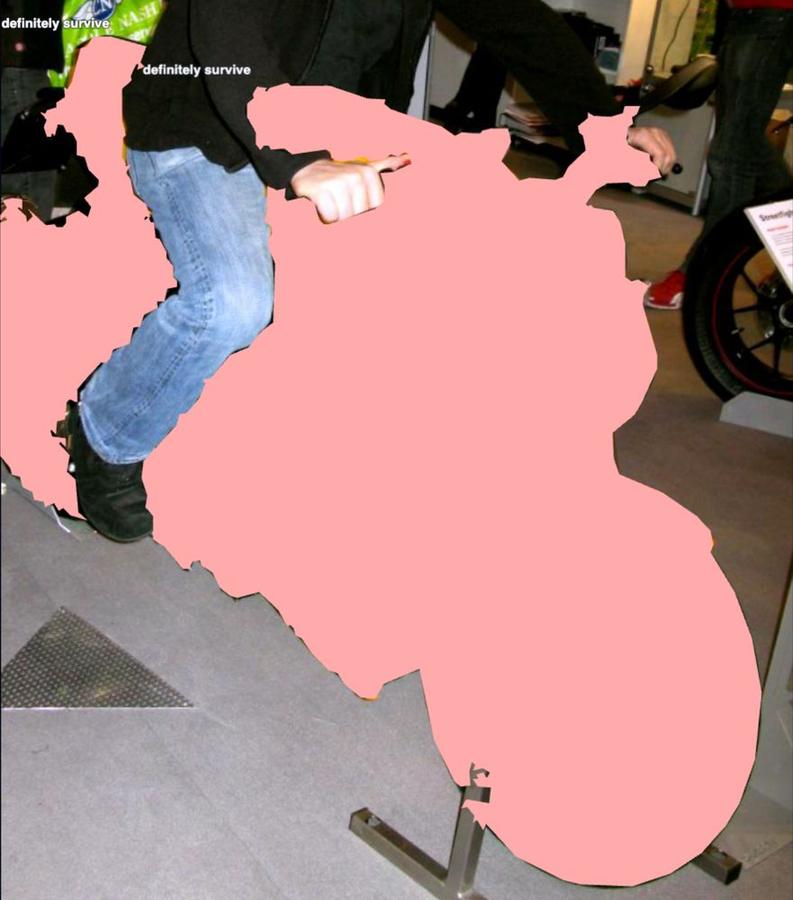
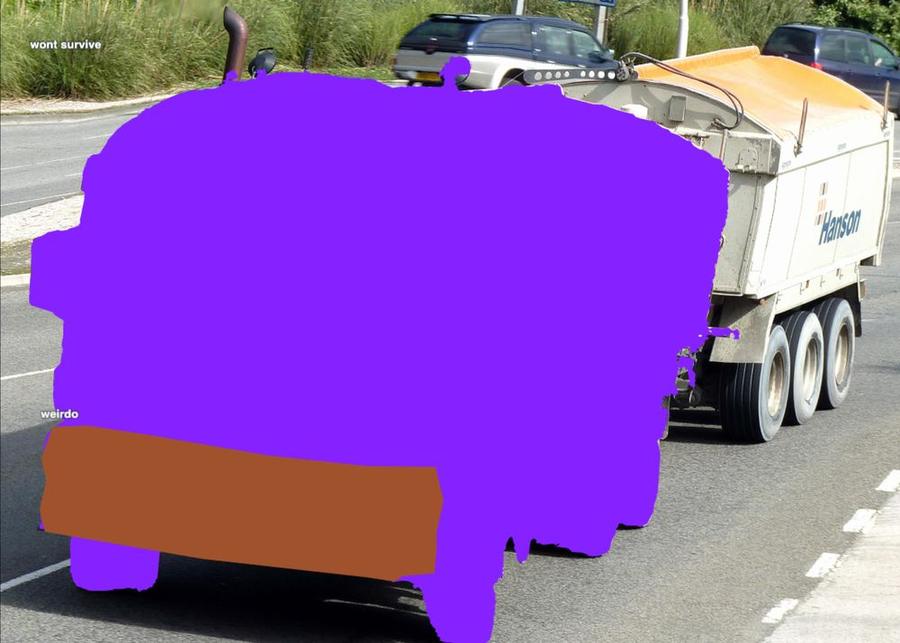
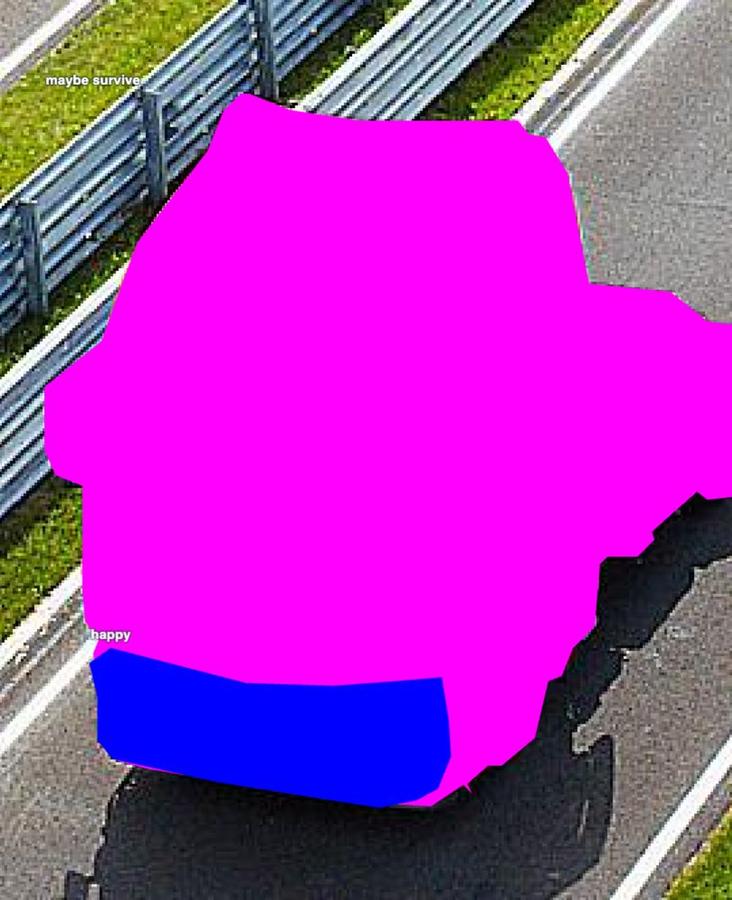
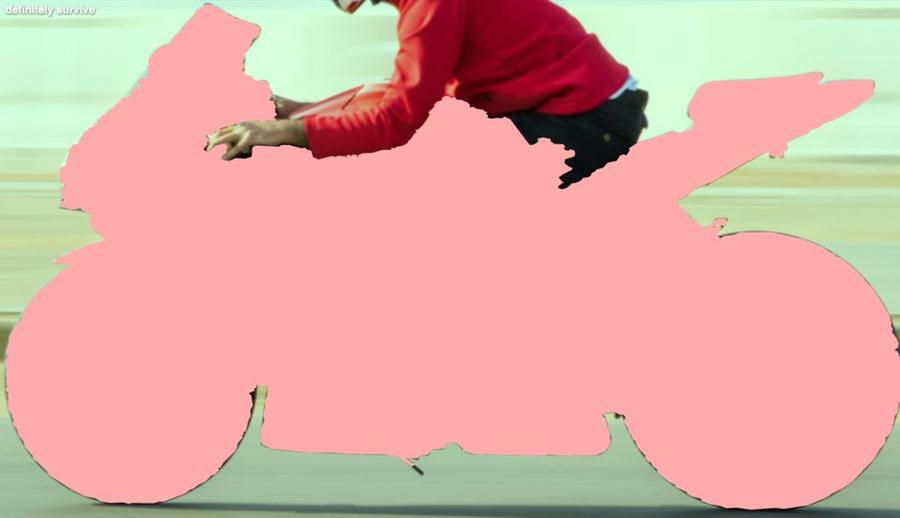
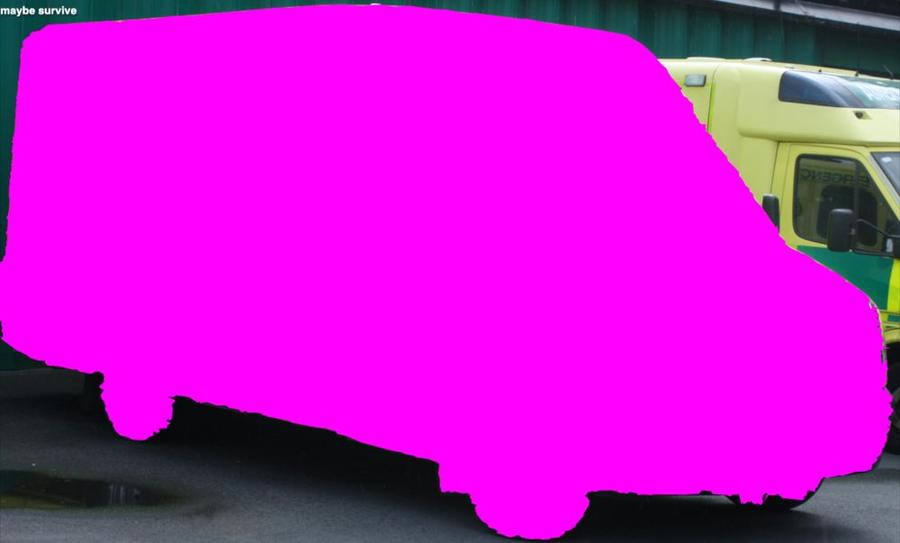
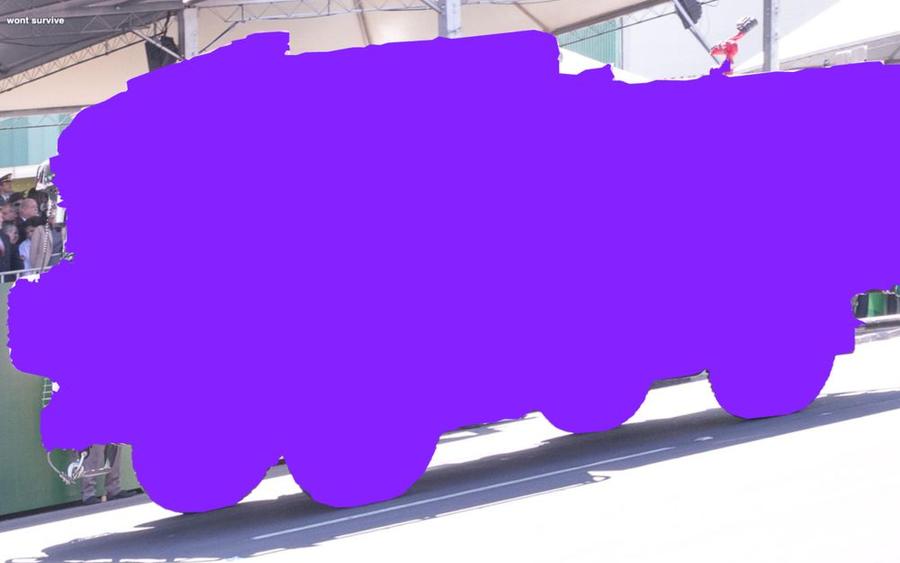
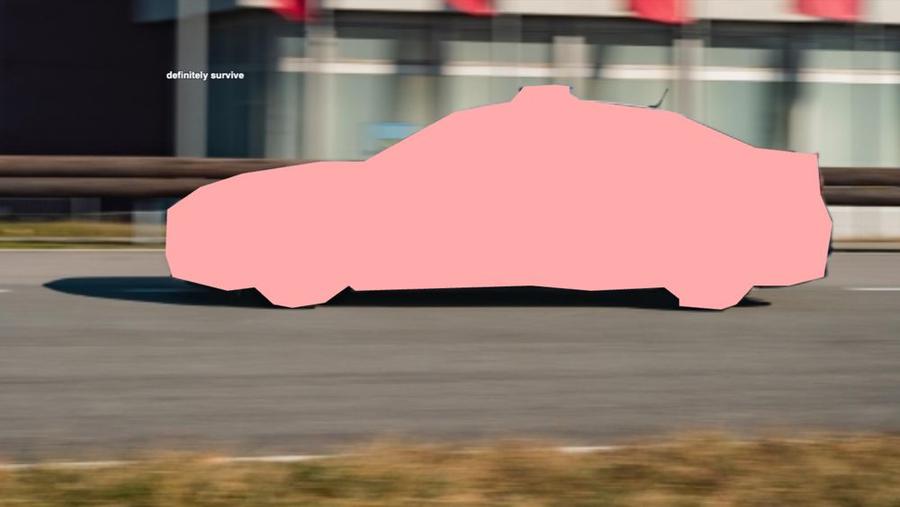
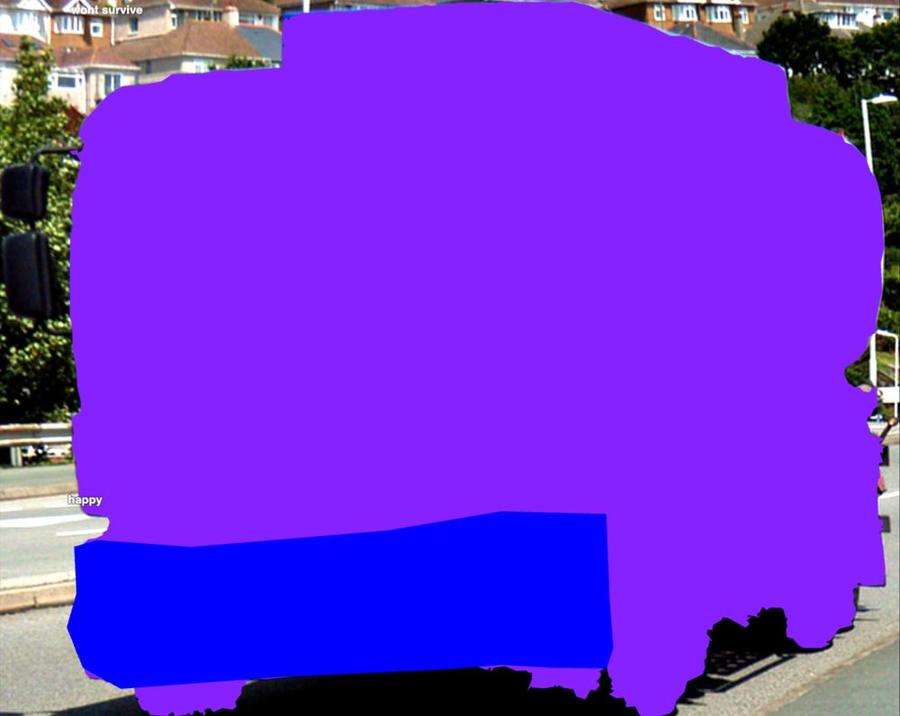
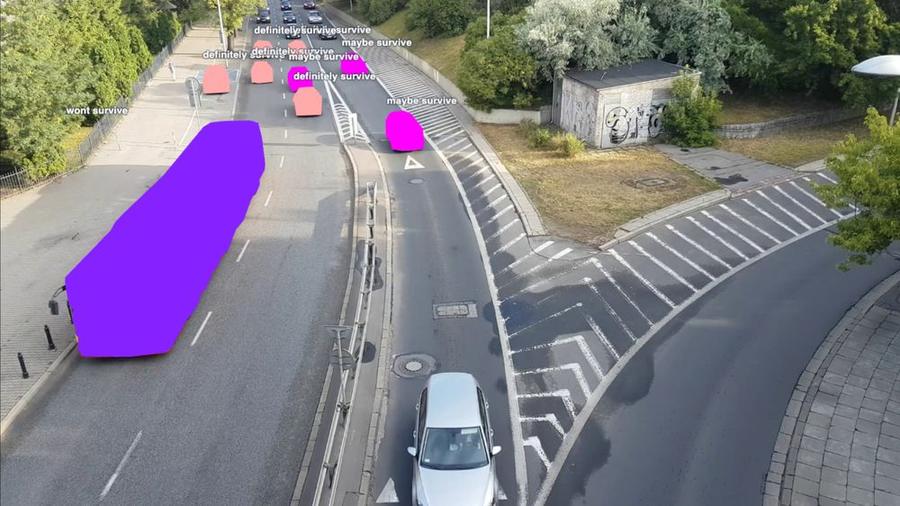
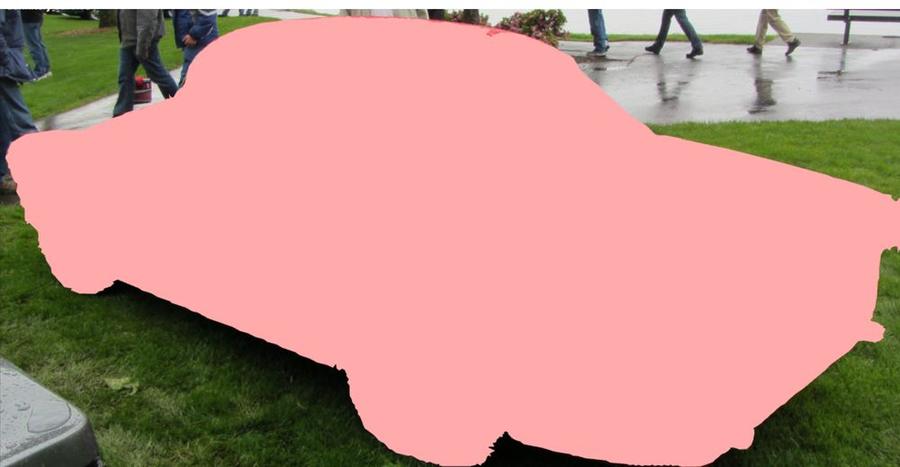
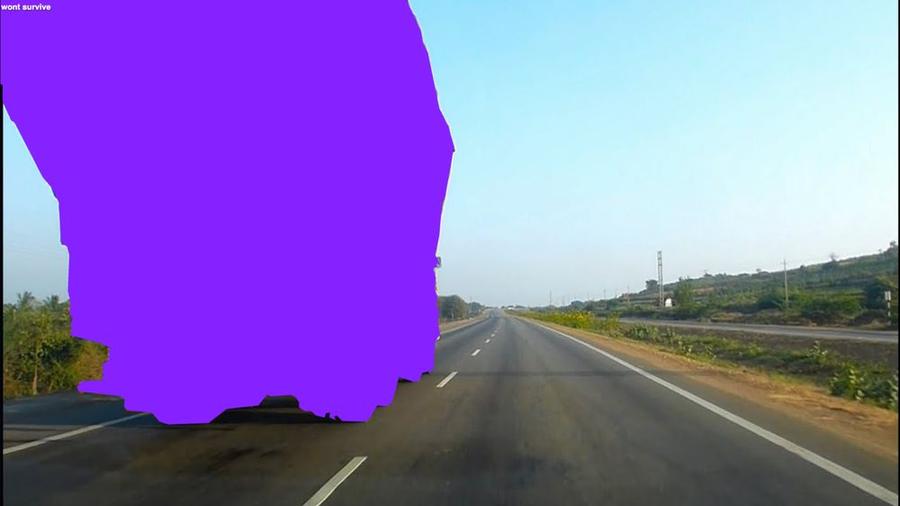
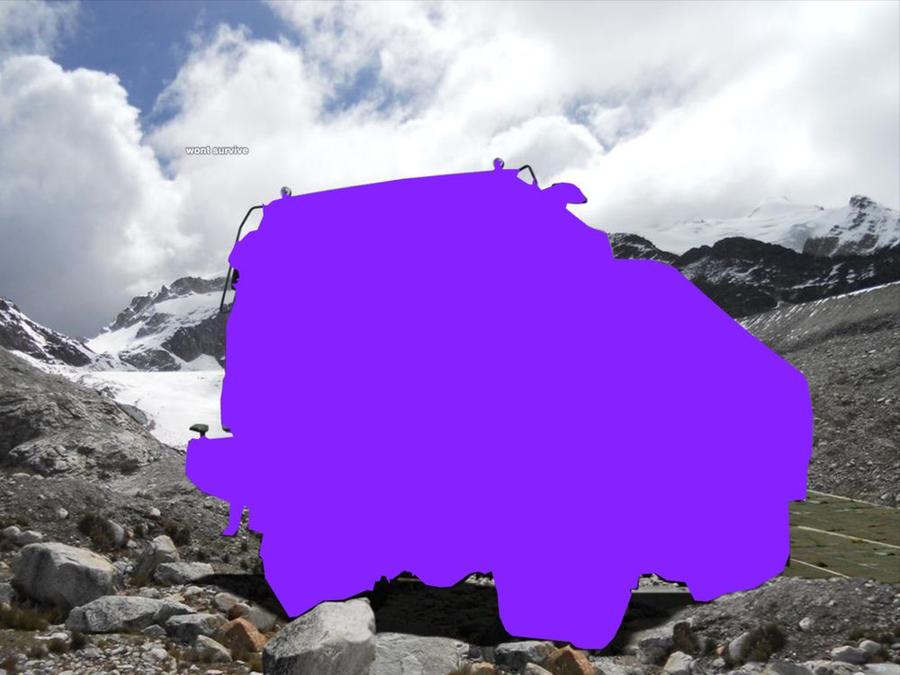
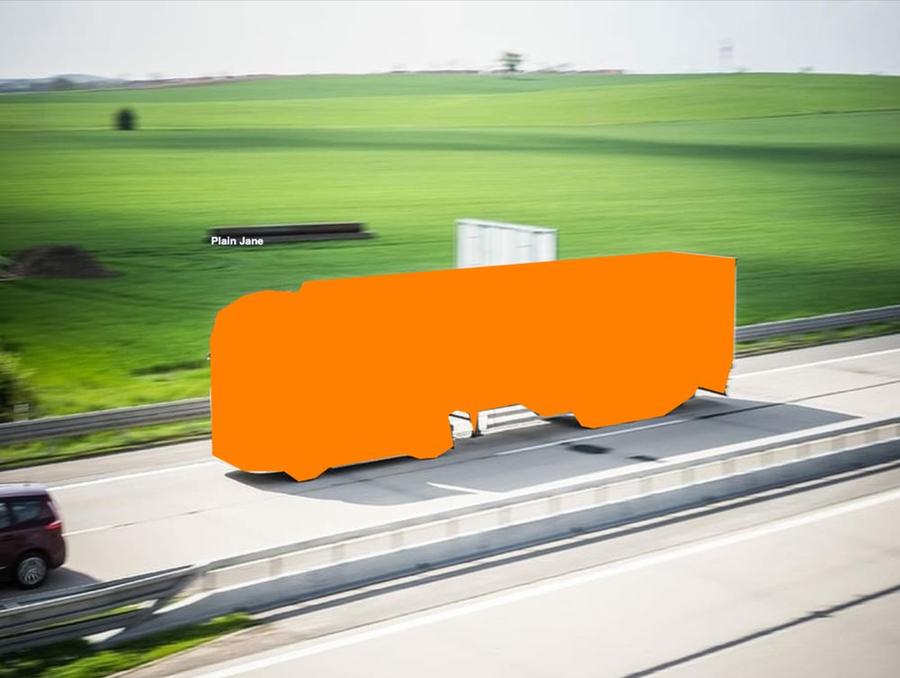
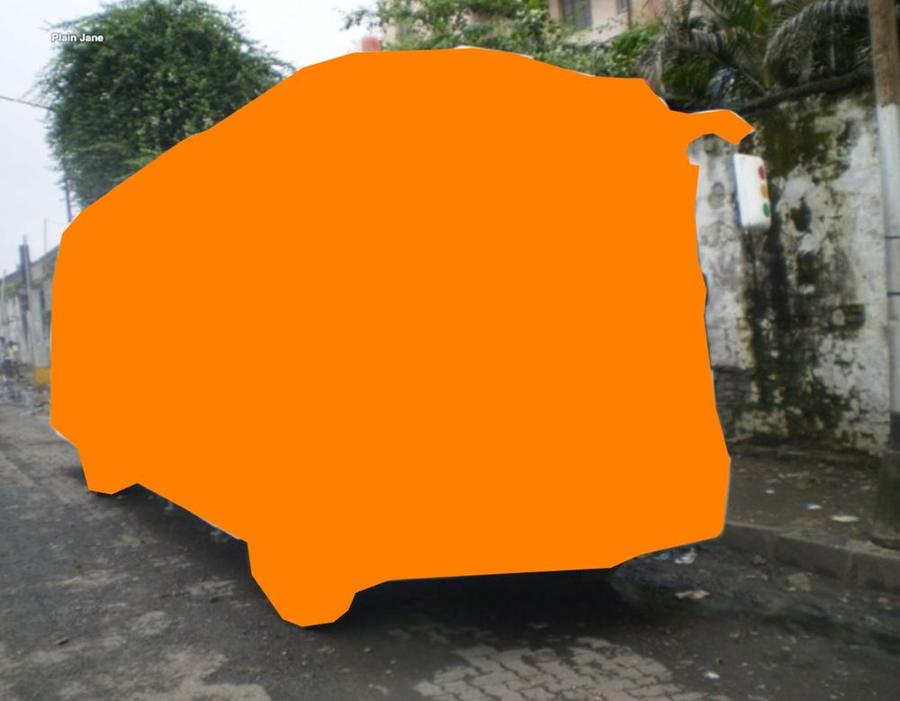
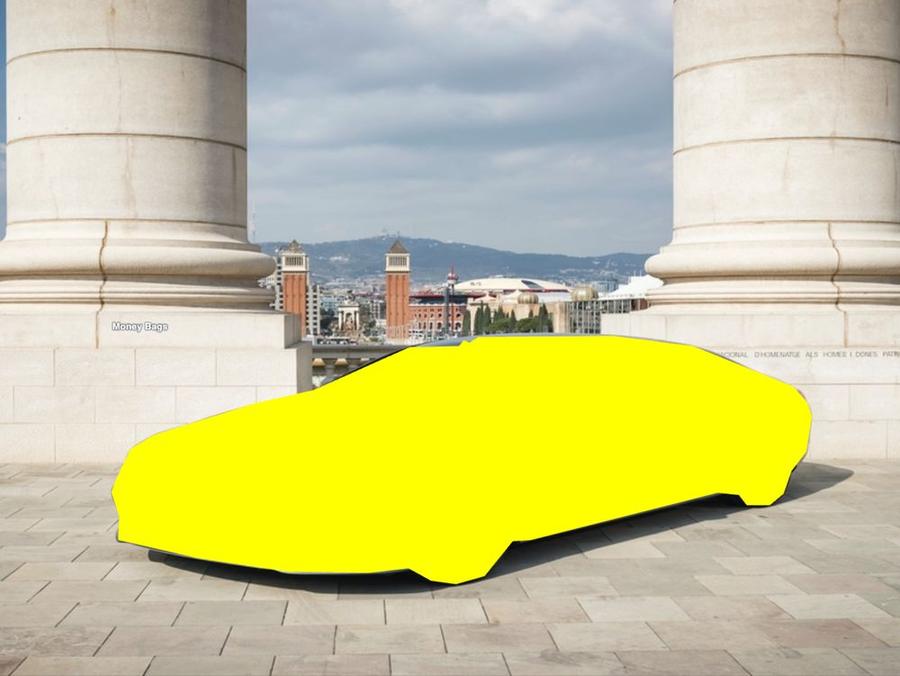
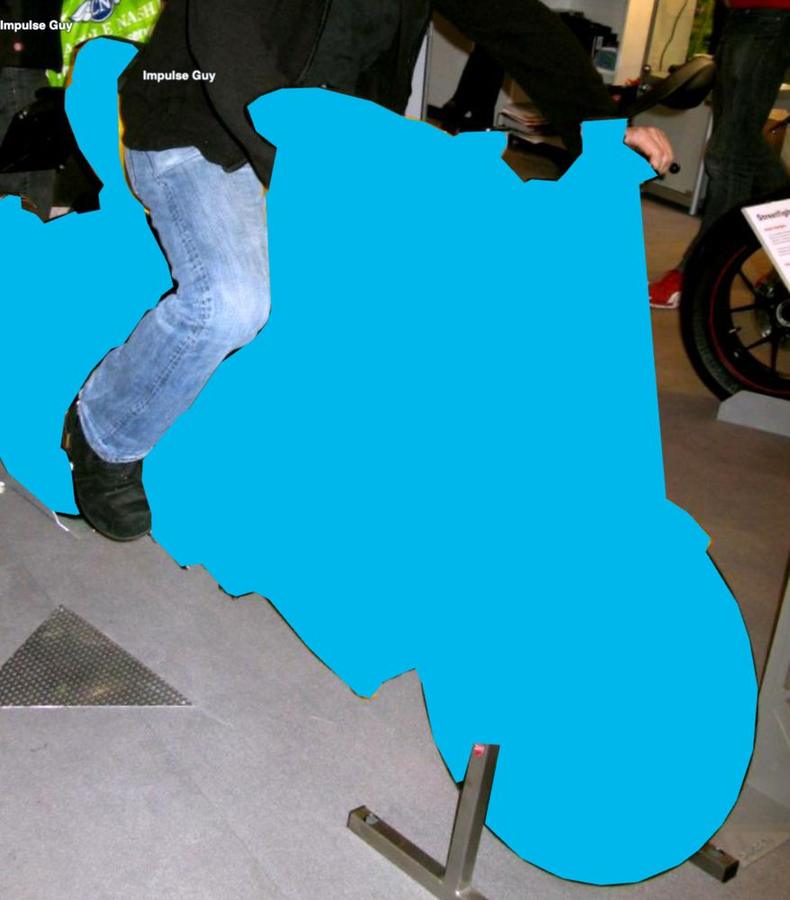
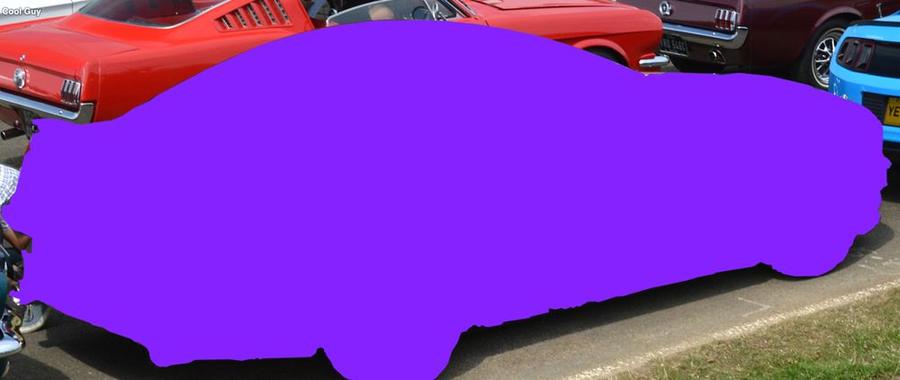
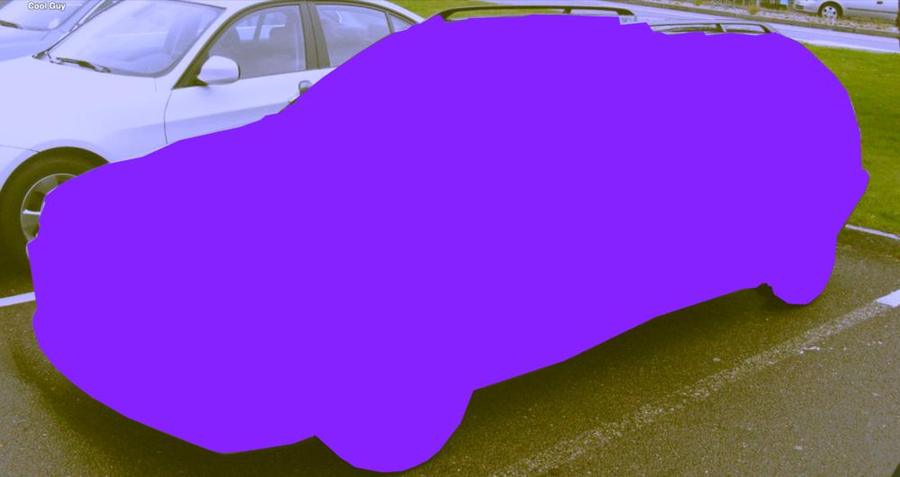
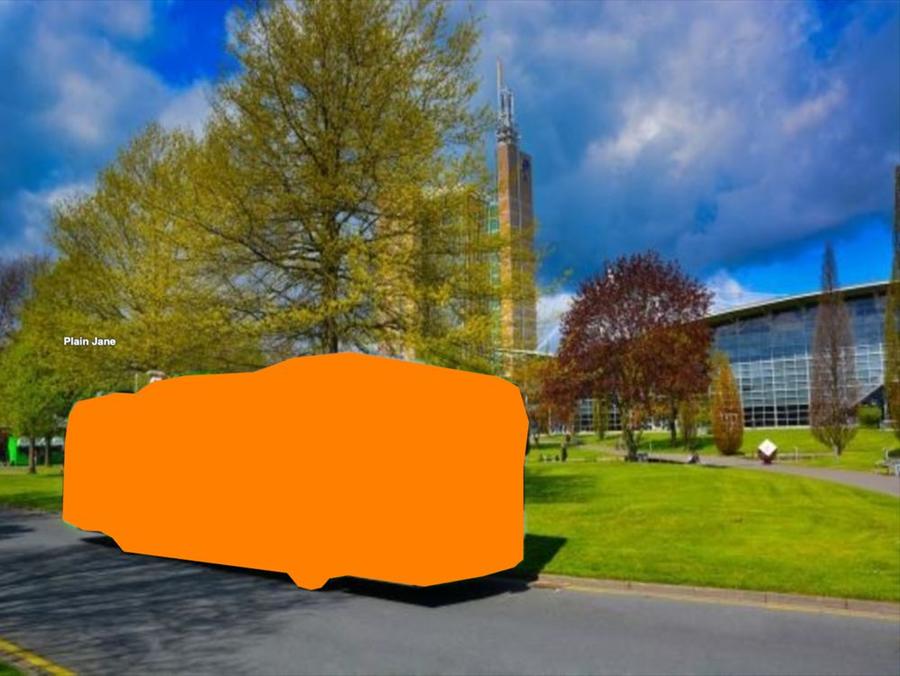
Annotating Otherwise is a set of participatory formats for data annotation and small, situated machine vision models. It proposes a counter-programme to the technocratic agenda of efficiency, speed and invisibility that governs data work and quietly holds up the infrastructure of platform capitalism.
02{invisible by design, flattened by default}
Every machine learned to see through millions of tiny gestures: a box drawn around a face, a label assigned in three seconds, a click paid in fractions of a cent. This labour is invisible by design (Miceli et al., 2020, 2021), distributed across platforms and borders, and largely performed by people tasked with applying ready-made categories dictated by tech companies and policy agendas.
This regime of efficiency extends into algorithmic systems that impose an automated gaze upon the world, one that reduces its complexity to a finite set of categories.
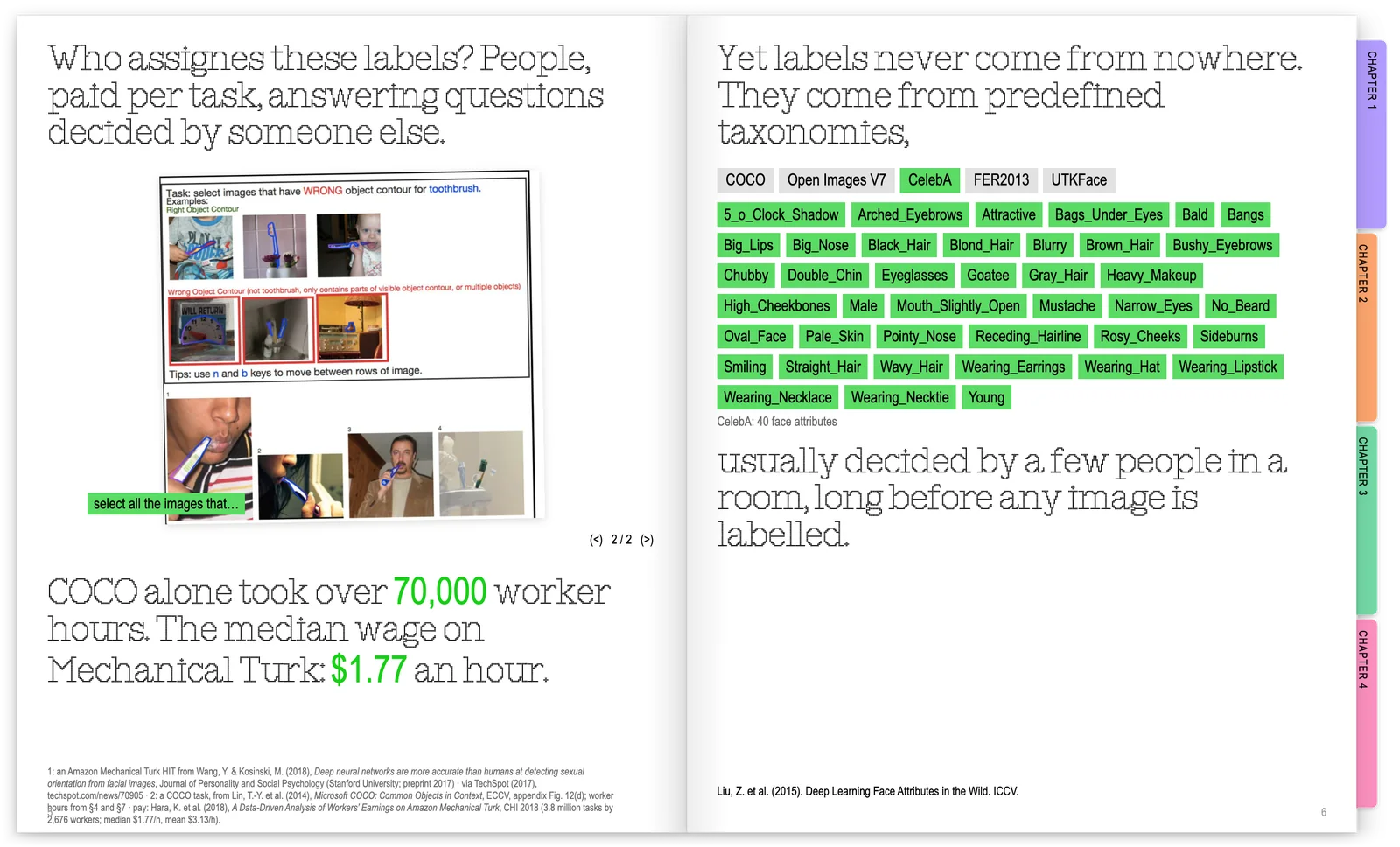
“Seeing comes before words,” wrote John Berger (1972). But machines learn to see through words: labels, categories, lists. If they now see on our behalf, are we still looking at the world, or only at the ways of seeing someone else decided for us?
03{a call for slowness and multiplicity}
Against this economy of reduction, Annotating Otherwise seeks to reclaim a space of pause and slowness in which to look at and perceive the world (Hallnäs & Redström, 2001; Strauss, 2026), resisting algorithmic systems that decide in advance what we are meant to see. If, as Betti Marenko (2025) argues, our categories urgently need to be rethought, annotation is where this work can begin: the small, overlooked gesture through which the world is sorted, named and made computable.
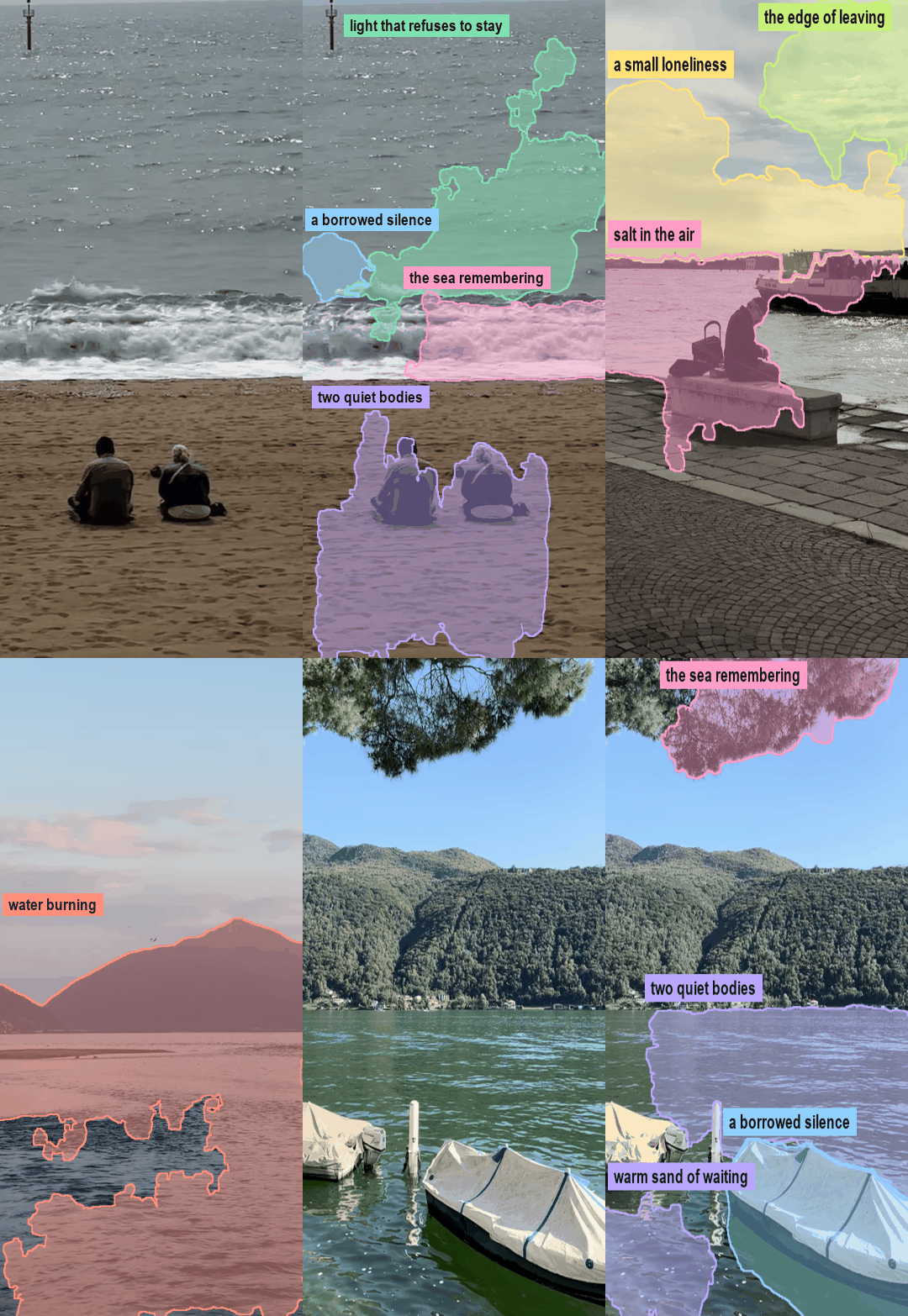
What if we reclaimed its agency and its poetics, recognising, with Kalir and Garcia (2021), that annotation can be “many things, to many people, across many texts [and images] and many moments in time”?
04{situated, embodied, relational data practices}
Drawing on feminist epistemologies and feminist data practices, Annotating Otherwise approaches data annotation as situated, embodied and relational work, and as a form of critical design inquiry.
By returning and opening classification to “others”, those who are usually classified by the AI–state complex, and inviting them to engage playfully with their own labels, we might start to glimpse AI otherwise: through partiality, positionality and material relation, not as a seamless system of capture, but as a fragile arrangement of categories, hesitations and situated decisions.
![]()
05{towards a repertoire of otherwiseness}
Annotating Otherwise is an invitation to see from somewhere (Haraway, 1988), to care for differences (Puig de la Bellacasa, 2017), and to stay with the trouble (Haraway, 2016) of established ways of seeing and classifying the world.
Together, we can build a repertoire of otherwise-ness (Marenko, 2025): gestures, labels and stories that open toward plural imaginaries for technologies of classification, ones that trace relations rather than draw borders, and that do not pretend to stabilise the world but make room for its complexity.
06{something more to see}
Technologies that remember, as Merleau-Ponty writes, that it is essential “for the thing and for the world to be presented as ‘open’, to send us beyond their determinate manifestations, and to promise us always ‘something more to see’” (1945/2012, p. 348).
![]()
07{a starting provocation}
What kind of world would you teach a machine to see — or to unsee?